Ingredient guide
Vitamin E (Tocopherol): Benefits as a Supplement and in Skin Care
Also known as: Tocopherol, alpha-tocopherol, tocopheryl acetate · By the VitaUSA360 Editorial Team
Quick answer
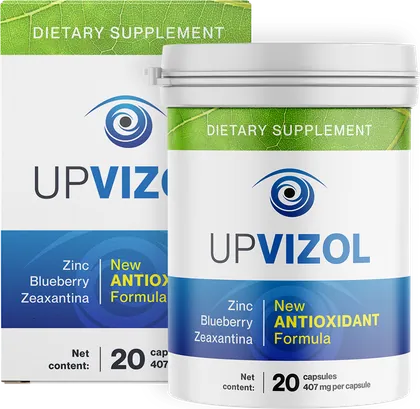
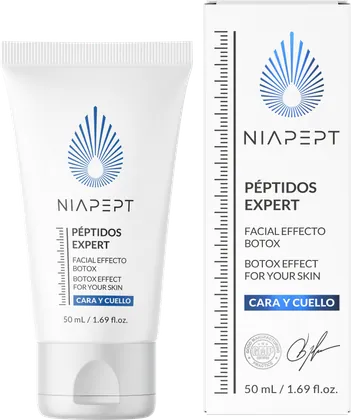
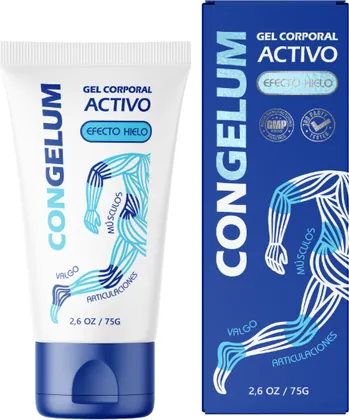
Vitamin E is a fat-soluble antioxidant that protects cell membranes. Adults need 15 mg of alpha-tocopherol per day, and the tolerable upper intake level is 1,000 mg. It appears in two different ways in this site’s products: as a nutrient inside the UpVizol capsule, and as a skin-care ingredient in the Niapept and Congelum topicals.

| Type | Fat-soluble vitamin and antioxidant |
|---|---|
| Main active form | Alpha-tocopherol |
| Adult RDA | 15 mg alpha-tocopherol (22.4 IU natural, 33.3 IU synthetic) |
| Tolerable Upper Intake Level (UL) | 1,000 mg per day from supplements |
| Daily Value on labels | 15 mg |
| Top food sources | Wheat germ oil, sunflower seeds, almonds, hazelnuts, spinach |
| Common label forms | d-alpha-tocopherol (natural), dl-alpha-tocopheryl acetate (synthetic) |
What is vitamin E?
Vitamin E is the name for a family of eight fat-soluble compounds: four tocopherols and four tocotrienols. Of these, alpha-tocopherol is the form that meets human vitamin E requirements and is the one the RDA is based on. Its main job is to act as an antioxidant in cell membranes, where it helps protect fats from oxidation. Chemistry details are in the Wikipedia article on vitamin E.
You will meet vitamin E in two very different roles on this site. Inside a capsule such as UpVizol, it is a supplement nutrient taken by mouth. In Niapept face-and-neck cream and Congelum cooling gel, it is a topical skin-care ingredient applied to the surface of the skin. These are not interchangeable, and the research for one does not automatically apply to the other.
Vitamin E benefits backed by research
Studies on vitamin E are mixed in an instructive way: it is essential, yet high-dose supplements have not delivered the broad benefits once expected. Here is what the research shows.
1. Eye research. In the original AREDS trial (AREDS Research Group), a formula with 400 IU vitamin E, 500 mg vitamin C, beta-carotene, zinc and copper was associated with a lower risk of progression to advanced age-related macular degeneration in people with intermediate disease. Vitamin E was part of the combination, and the trial did not test it alone.
2. The right amount matters. Long-term studies of vitamin E have used much larger amounts than the RDA, and a review of high-dose use (Miller et al., Annals of Internal Medicine) is one reason the guidance is to stay close to the RDA and well below the Tolerable Upper Intake Level from supplements.
3. Dermatology. A review of the dermatology literature (Keen and Hassan, Indian Dermatology Online Journal) describes vitamin E as one of the most widely used antioxidants in skin care. It is used in moisturizers and photoprotection formulas and is studied for its role in supporting skin hydration and in combination with vitamin C.

Is vitamin E good for skin?
Vitamin E is widely used in skin care because it is an antioxidant that sits in the lipid layers of the skin and helps limit oxidative stress from sunlight and pollution. Dermatology researchers also describe it as an emollient that helps skin feel smoother.
This is a topical use. In Niapept face and neck cream, tocopherol sits beside Argireline and niacinamide as a skin-surface antioxidant. In Congelum cooling gel, it is listed together with camphor, eucalyptus oil and urea as a skin-conditioning ingredient. Both are cosmetic, external products. They are not supplements, and they do not deliver vitamin E to the rest of the body in a measurable way.
Topical vitamin E can occasionally cause contact dermatitis, so a patch test on a small area is a sensible first step. Reading about the wider topic? See our guides on peptides for skin and skin care after 50.
Food sources and how to read vitamin E on a label
Most Americans get vitamin E from vegetable oils, nuts and seeds. Wheat germ oil is the richest, with about 20 mg per tablespoon. One ounce of sunflower seeds provides roughly 7 mg and an ounce of almonds about 7 mg, which is close to half of the daily need. Hazelnuts, peanut butter, spinach and broccoli add smaller amounts.
Reading a label. Supplement Facts lists vitamin E in milligrams of alpha-tocopherol, often with IU in brackets. Natural vitamin E appears as d-alpha-tocopherol and is about 1.5 times more active per milligram than the synthetic form, listed as dl-alpha-tocopherol or dl-alpha-tocopheryl acetate. The acetate form is stable and commonly used in capsules, including UpVizol. The % Daily Value is based on 15 mg.
“Mixed tocopherols” on a label means other tocopherols are present besides alpha. The RDA counts alpha-tocopherol only.
Vitamin E safety, side effects and interactions
Vitamin E from food is not a safety concern. From supplements, the tolerable upper intake level for adults is 1,000 mg per day of any form of alpha-tocopherol. The main risk of high intake is bleeding, because vitamin E can act on blood clotting.
For that reason, people who take anticoagulants such as warfarin, or antiplatelet medicines, should talk to their clinician before using vitamin E supplements, and it is commonly paused before surgery. High-dose vitamin E may also interact with some chemotherapy drugs and with statin and niacin combinations. The NIH Office of Dietary Supplements and MedlinePlus both advise discussing supplements with your doctor if you have a heart condition or take regular medicines.
Topical vitamin E has a different, much smaller risk profile: the usual concern is skin irritation or an allergic rash in sensitive people. If a cream or gel causes redness, itching or swelling, stop using it and rinse the area. Keep topicals away from the eyes and from broken skin, and do not swallow them.
Vitamin E deficiency is rare in healthy people. It is usually seen only in people with conditions that impair fat absorption, such as cystic fibrosis or certain inherited disorders, which is another reason to match supplements to the RDA instead of aiming higher.
Which products we review contain vitamin E?
Three products we review list vitamin E, each in its own role. UpVizol capsules include DL-alpha-tocopherol acetate as a dietary supplement nutrient, with zinc, vitamins A and C, lutein and zeaxanthin. Niapept and Congelum include tocopherol as a topical ingredient only.
Related guides: vitamin C, zinc, vitamin A and niacinamide.
This guide is general information, not medical advice. Ask your doctor or pharmacist before starting a new supplement, especially if you take medication, are pregnant or nursing.
Sources
- Wikipedia — Vitamin E
- NIH Office of Dietary Supplements — Vitamin E fact sheet
- MedlinePlus — Vitamin E
- AREDS Research Group. High-dose vitamins C and E, beta carotene and zinc for age-related macular degeneration. Arch Ophthalmol
- Miller ER 3rd et al. Meta-analysis: high-dosage vitamin E supplementation. Ann Intern Med
- Keen MA, Hassan I. Vitamin E in dermatology. Indian Dermatol Online J