Ingredient guide
Vitamin C (Ascorbic Acid): Benefits, Collagen Role and How to Use It Safely
Also known as: Ascorbic acid, L-ascorbic acid · By the VitaUSA360 Editorial Team
Quick answer
Vitamin C is a water-soluble vitamin your body needs every day for collagen formation, antioxidant defense and iron absorption. Adults need 90 mg (men) or 75 mg (women) daily, and the tolerable upper intake level is 2,000 mg. Most people can reach the RDA with fruit and vegetables; supplements are a convenient top-up.

| Chemical name | L-ascorbic acid |
|---|---|
| Type | Water-soluble vitamin and antioxidant |
| Adult RDA | 90 mg (men), 75 mg (women); add 35 mg for smokers |
| Tolerable Upper Intake Level (UL) | 2,000 mg per day for adults |
| Daily Value on labels | 90 mg |
| Top food sources | Red bell pepper, citrus, kiwi, broccoli, strawberries |
| Key jobs | Collagen formation, antioxidant defense, iron absorption |
What is vitamin C?
Vitamin C is the common name for L-ascorbic acid, a water-soluble vitamin found in fruit and vegetables. Humans cannot make it, so it has to come from food or supplements. Because it dissolves in water, the body does not store large reserves, and the excess is mostly removed in urine.
On a Supplement Facts panel you will usually see it listed as vitamin C, ascorbic acid or a salt such as sodium ascorbate or calcium ascorbate. The NIH Office of Dietary Supplements notes that these forms are absorbed in a similar way.
Vitamin C has three everyday jobs. It is a cofactor for the enzymes that build collagen, it works as an antioxidant that helps protect cells from oxidative stress, and it helps the body absorb non-heme iron from plant foods.
Vitamin C benefits backed by research
Research suggests vitamin C supports several body systems. Here are three findings worth knowing, each with its source.
1. Immune function. A review of the evidence (Carr and Maggini, Nutrients) describes how vitamin C accumulates in immune cells and supports both the skin barrier and the activity of several white blood cell types. The authors also note that low vitamin C status is linked with a higher susceptibility to infections.
2. Common colds. A Cochrane review (Hemilä and Chalker) found that regular vitamin C supplementation did not lower how many colds people caught in the general population, but it was associated with slightly shorter colds. In people under heavy physical stress, such as marathon runners, regular vitamin C roughly halved the risk of catching a cold.
3. Skin health. A review of skin research (Pullar, Carr and Vissers, Nutrients) reports that vitamin C is found in high concentrations in both layers of the skin, where it supports collagen synthesis and helps protect against oxidative stress from sunlight and pollution.
4. Eye health research. In the original AREDS trial (Age-Related Eye Disease Study Research Group), a formula containing 500 mg vitamin C, 400 IU vitamin E, beta-carotene, zinc and copper was associated with a reduced risk of progression to advanced age-related macular degeneration in people who already had intermediate-stage disease. Vitamin C was one part of that combination.

Does vitamin C help with collagen?
Yes. Vitamin C is required for collagen production. Collagen is the main structural protein in skin, tendons, ligaments, cartilage and bone. To form a stable collagen fiber, the body must add hydroxyl groups to the amino acids proline and lysine. The enzymes that do this need vitamin C to work.
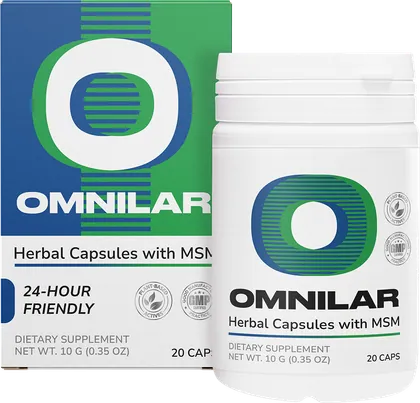
This is why vitamin C sits in many joint and skin formulas. In a joint-support capsule such as the Omnilar formula, it is paired with botanicals like Boswellia and MSM because it supports the body’s normal collagen formation in connective tissue. For a deeper look at the science, see our guide to vitamin C and collagen.
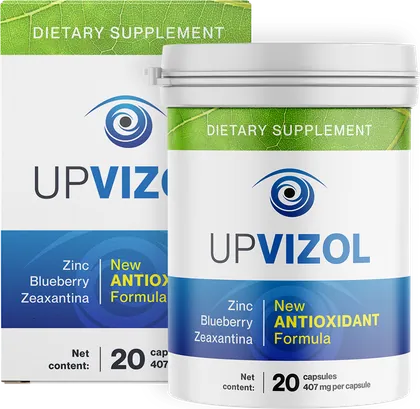
Vitamin C also appears in the eye, where its concentration in the aqueous humor is much higher than in blood. That is one reason it is included in eye-focused formulas such as UpVizol, alongside lutein, zinc and vitamins A and E.
Food sources and how to read vitamin C on a label
Fruit and vegetables are the best sources of vitamin C. Per the NIH Office of Dietary Supplements, a half cup of raw red bell pepper provides about 95 mg, one medium orange about 70 mg, and a half cup of cooked broccoli about 50 mg. Kiwi, strawberries, grapefruit, tomato juice and baked potatoes also contribute.
Vitamin C is sensitive to heat and air, so raw or lightly steamed produce keeps more of it than long boiling does.
Reading a label. Find the line “Vitamin C (as ascorbic acid)” on the Supplement Facts panel. The amount is shown in milligrams, with a % Daily Value beside it based on 90 mg. A capsule with 90 mg shows 100% DV. If a product lists only a proprietary blend, the vitamin C amount may be grouped with other ingredients, so check the individual line when it is given.
Choose products that follow your needs rather than the biggest number. Supplements are most useful when your diet is short on fresh produce, when you smoke, or when your needs are higher for other reasons. Amounts far above the RDA do not add benefit, because absorption falls as the dose rises.
Vitamin C safety, side effects and interactions
Vitamin C is considered safe at the recommended intake. The tolerable upper intake level for adults is 2,000 mg per day. Above that, the most common effects are digestive: diarrhea, nausea, stomach cramps and heartburn.
People with a history of kidney stones should be cautious with high-dose supplements, since vitamin C is partly converted to oxalate and high intakes have been associated with stone formation in men. Those with iron-overload conditions such as hemochromatosis should also ask a clinician first, because vitamin C increases iron absorption.
Vitamin C can also influence some lab tests, including certain blood glucose readings. If you take chemotherapy, statins with niacin, or other prescription medicines, ask your pharmacist or doctor before adding a high-dose supplement. Food supplements are not intended to treat or prevent any disease, and they do not replace medical care.
Which products we review contain vitamin C?
Two of the supplements we review list vitamin C. Omnilar joint capsules include it as L-ascorbic acid next to Devil’s Claw, Boswellia and MSM. UpVizol eye-support capsules include ascorbic acid together with lutein, zeaxanthin, zinc and vitamins A and E.
Related guides: vitamin E, zinc, lutein and zeaxanthin and Devil’s Claw. Amounts per capsule are printed on each product’s Supplement Facts panel.
This guide is general information, not medical advice. Ask your doctor or pharmacist before starting a new supplement, especially if you take medication, are pregnant or nursing.
Sources
- Wikipedia — Vitamin C
- NIH Office of Dietary Supplements — Vitamin C fact sheet
- MedlinePlus — Vitamin C
- Carr AC, Maggini S. Vitamin C and Immune Function. Nutrients
- Hemilä H, Chalker E. Vitamin C for preventing and treating the common cold. Cochrane Database Syst Rev
- Pullar JM et al. The Roles of Vitamin C in Skin Health. Nutrients
- AREDS Research Group. High-dose vitamins C and E, beta carotene and zinc for age-related macular degeneration. Arch Ophthalmol