Ingredient guide
Eucalyptus Oil on the Skin: Why It Feels Fresh and How to Use It Safely
Also known as: Eucalyptus globulus leaf oil · By the VitaUSA360 Editorial Team
Quick answer
Eucalyptus oil is an essential oil distilled from the leaves of eucalyptus trees, mainly Eucalyptus globulus. Its main component, 1,8-cineole (eucalyptol), gives the fresh, cooling scent familiar from chest rubs and muscle gels. On the skin it is used in diluted form; it should never be swallowed and must be kept away from young children.

| Source | Steam-distilled eucalyptus leaves |
|---|---|
| Main component | 1,8-cineole (eucalyptol) |
| Found in | Chest rubs, muscle gels and balms, inhalants |
| Use on skin | Diluted, in finished products |
| Never | Swallow it or use it on young children |
From leaf to tube
Eucalyptus leaves are steam-distilled to produce a clear essential oil. Rich in 1,8-cineole, it has the sharp, clean aroma most people know from cold-season rubs.
Why it is in muscle gels and balms
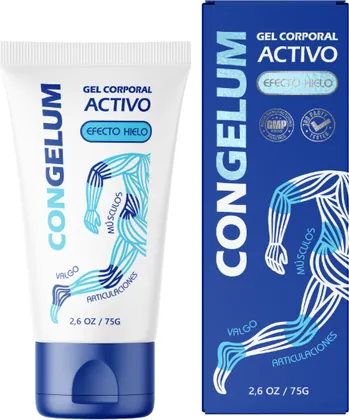
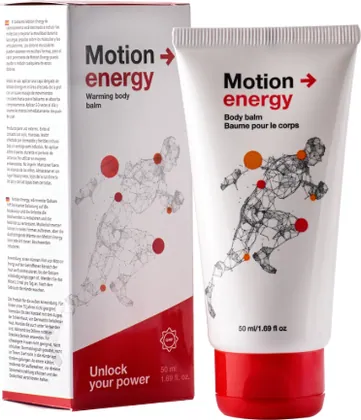
Eucalyptus oil contributes a fresh, cooling sensation and a pleasant aroma, so it is a regular partner to camphor in cooling gels and to ginger or cinnamon in warming balms. You will find it in both Congelum and Motion Energy.

Eucalyptus oil benefits backed by research
Eucalyptus oil is valued in rubs and gels mainly for its sensory effect, and the science on its main compound is reasonably well described.
1,8-cineole is the lead compound. The Eucalyptus oil entry notes that oil from Eucalyptus globulus is made up largely of 1,8-cineole, commonly 70% or more in pharmacopoeial grades. The NIH PubChem record for eucalyptol lists its structure and properties.
It interacts with cold-sensing receptors. Laboratory research has reported that cineole can activate TRPM8, the same cold receptor that responds to menthol, which helps explain the cooling feel on skin. This is a sensory effect rather than a change in actual temperature.
The aroma is part of the appeal. The fresh, camphor-like scent is a major reason eucalyptus oil is used in balms and rubs, where it pairs with camphor in cooling formulas such as Congelum cooling gel and with warming ingredients in Motion Energy warming balm.
Safety is well documented. Essential oils are concentrated, and poison control centers warn that swallowing eucalyptus oil can be dangerous, especially for children. That is why it appears in finished topical products at controlled levels, and why the label’s directions matter. Patch-test first, keep products away from eyes and broken skin, and store them out of reach of children. See also the camphor guide.
Using it on the skin
Finished products contain eucalyptus oil in diluted form. Apply a thin layer, avoid the eyes and broken skin, and wash your hands afterwards. If you are sensitive to fragrances, patch-test first.
Keep it away from mouths and kids
Swallowing eucalyptus oil can cause serious poisoning, and young children are especially at risk. Store all products containing it out of children’s reach, and call Poison Control (1-800-222-1222) if someone swallows it.
This guide is general information, not medical advice. Ask your doctor or pharmacist before starting a new supplement, especially if you take medication, are pregnant or nursing.