Ingredient guide
Urea in Skin Care: What Urea Cream Does and How Strengths Differ
Also known as: carbamide, urea cream · By the VitaUSA360 Editorial Team
Quick answer
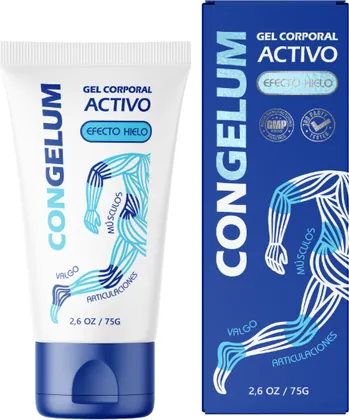
Urea is a small, naturally occurring molecule in healthy skin that acts as a humectant: it attracts and holds water in the outer layer. At low percentages it is a moisturizing ingredient, and at higher percentages it also loosens thick, rough skin (a keratolytic effect). Congelum, one of the topical gels we review, lists urea as a moisturizer.
| What it is | A small organic molecule found naturally in skin as part of its natural moisturizing factor |
|---|---|
| Main roles | Humectant (holds water); keratolytic at higher strengths |
| Low strengths | About 2–10 percent in everyday moisturizers |
| Higher strengths | About 20–40 percent in products for thick, rough skin |
| Typical forms | Creams, lotions, gels, ointments, foot and hand products |
| Main safety point | Can sting on cracked or inflamed skin; stronger products are for limited areas |
What is urea in skin care?
Urea in skin care is a lab-made version of a molecule your skin already produces. Urea is best known as the main nitrogen waste product in urine, but it is also part of the skin’s natural moisturizing factor, the mix of small water-binding molecules in the outer layer. The urea used in creams is made synthetically and is not taken from urine or animals.
That is why dermatologists have used it for decades, and why you will see it in hand creams, foot creams and body lotions. Its job is simple: help the outer layer of skin hold on to water.
Urea cream benefits backed by research
Research on urea is long-standing and consistent: it is mainly an ingredient for hydration and for smoothing rough skin. Three specific findings:
- A broad dermatology review. A review in Dermatology and Therapy (Piquero-Casals et al.) describes urea’s emollient, moisturizing, keratolytic, skin-barrier-supporting and antimicrobial properties, and explains how the effects change with concentration. See the review on PubMed.
- A classic paper on dry skin. Swanbeck’s paper “Urea in the treatment of dry skin” in Acta Dermato-Venereologica summarized how urea-containing preparations were used for dry skin. See the paper on PubMed.
- A systematic review across skin conditions. A systematic review (Jawed et al.) examined topical urea in ichthyosis, atopic dermatitis, psoriasis and other dry-skin conditions, reflecting how widely it has been studied. See the review on PubMed.
These studies concern urea as a cosmetic and dermatology ingredient. A moisturizing gel that includes urea is designed to keep skin comfortable. It does not treat any skin condition.

Low-percentage vs. high-percentage urea: what is the difference?
The percentage decides what urea does. At low strengths, roughly 2 to 10 percent, urea works mainly as a humectant. It draws water into the outer layer and helps skin feel soft. You find these levels in everyday lotions and in multi-ingredient products where urea is one supporting ingredient.
At higher strengths, roughly 20 percent and above, urea also acts as a keratolytic. It loosens the bonds between dead skin cells, which helps thick, rough areas such as heels, elbows and calluses feel smoother. Those products are usually sold for foot care or for use under the guidance of a clinician.
Many people ask which is “better.” The honest answer is that they do different jobs. A light 5 percent lotion is a daily moisturizer. A 40 percent foot cream is a targeted product for tough skin. Most brands do not publish the exact urea percentage in a combination product, so where it appears in the ingredient list is the best clue.
Texture matters too. Urea dissolves easily in water, which is why it is common in light gels and lotions as well as rich creams. Because it is a humectant, it works best when applied to slightly damp skin and followed by a product that helps seal water in. People with very dry hands or feet often notice the difference most in dry indoor air, when skin loses water faster.
How is urea used in topical gels and balms?
In a muscle or joint gel, urea plays a supporting role as a moisturizer. Cooling and warming ingredients such as camphor, eucalyptus oil and essential oils can leave skin feeling a little dry with frequent use, and a humectant helps balance that. Alongside vitamin E, it helps keep skin comfortable in a gel base.
Congelum lists urea for exactly this reason: it keeps the skin feeling moisturized while the cooling oils do the sensory work. In that kind of formula urea is a low-percentage helper, not the headline ingredient. People who want a dedicated hydration step often turn to other humectants such as hyaluronic acid or to niacinamide.
How to spot urea on a label
On a product label, look for Urea in the ingredient list. Some brands print it as “carbamide.” Ingredients are listed from highest to lowest concentration, so urea in the first few positions suggests a meaningful amount, and urea near the end suggests a small amount.
Products sold as “urea cream” usually state a percentage on the front, such as 10 or 20 percent. Multi-ingredient gels and balms often do not. Do not confuse urea with imidazolidinyl urea or diazolidinyl urea. Those are preservatives with different properties and are not moisturizers.
Is urea cream safe? Side effects and interactions
Urea is well tolerated by most people when used as directed. The most common issue is stinging or mild irritation, especially on cracked, broken or inflamed skin, or in higher-percentage products. Stronger creams are meant for small areas of thick skin, not for the face or sensitive areas.
- Patch test a new product on a small area before wider use.
- Skip broken skin. Do not apply to open cuts or active rashes.
- Avoid eyes and mucous membranes.
- Stronger percentages are best used on advice from a pharmacist or clinician.
- Other topicals. Urea can increase how much of another product gets into the skin, so ask a pharmacist before layering it with prescription creams.
Stop use and ask a clinician if you develop persistent redness, burning or swelling.
Which products we review contain urea?
Among the products on our site, Congelum cooling gel lists urea as a moisturizing ingredient, together with vitamin E and a camphor and essential-oil base. It is a topical product, not a dietary supplement. To see the rest of that formula, read our guides to camphor and vitamin E.
This guide is general information, not medical advice. Ask your doctor or pharmacist before starting a new supplement, especially if you take medication, are pregnant or nursing.