Ingredient guide
Passionflower: The Calming Herb Behind Relaxation and Sleep Blends
Also known as: Passiflora incarnata, maypop, purple passionflower · By the VitaUSA360 Editorial Team
Quick answer
Passionflower is a climbing vine, Passiflora incarnata, whose dried leaves, stems and flowers are used in teas and supplements for calm and restful sleep. It contains flavonoids such as vitexin and isovitexin. Small trials have found that passionflower tea may help improve sleep quality, and extracts have been studied for feelings of nervousness. It may add to drowsiness from sedatives and is not for use during pregnancy.
| Plant part | Aerial parts: leaves, stems and flowers |
|---|---|
| Native to | Southeastern United States |
| Key compounds | Flavonoids (vitexin, isovitexin, chrysin), small amounts of alkaloids |
| Common uses | Calm, relaxation, restful sleep |
| Typical forms | Tea, tincture, capsules, combination blends |
| Key safety point | May add to drowsiness; not for use in pregnancy |
What is passionflower?
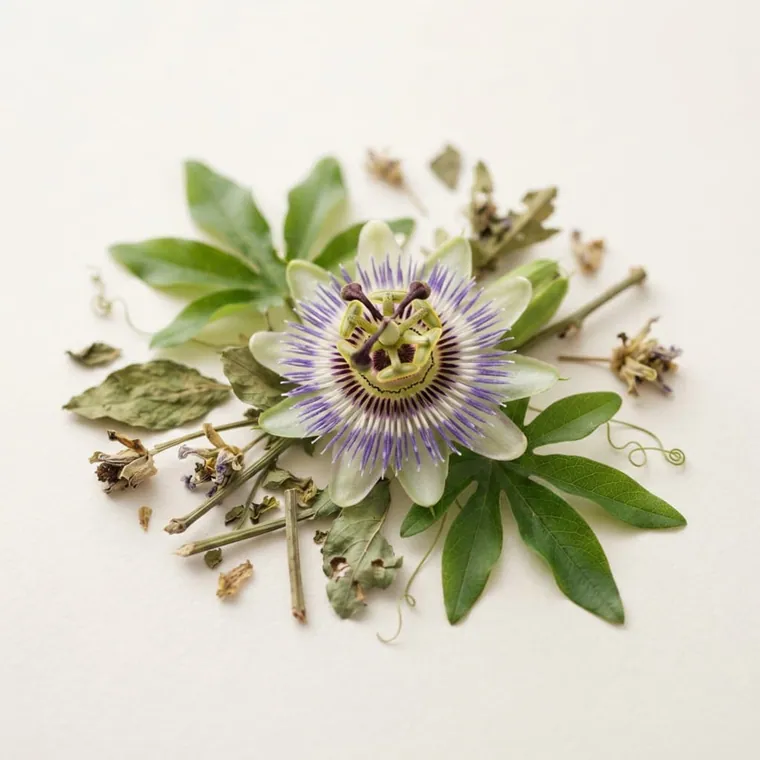
Passionflower, or Passiflora incarnata, is a fast-growing perennial vine native to the southeastern United States, where it is also called maypop. Its striking purple-and-white flowers have a fringed corona that Spanish missionaries once read as a symbol of the Passion, which gave the plant its name. You can see the plant in the Wikipedia article on Passiflora incarnata.
Native Americans used passionflower long before European settlers arrived, and it later entered European herbal practice as a calming herb. Today the dried aerial parts, meaning the leaves, stems and flowers, are used in teas, tinctures and capsules. It is a different species from the passion fruit sold in grocery stores.
Passionflower benefits backed by research
Passionflower is studied mainly for calm and sleep, and several small human trials point in a positive direction.
- Sleep quality. In a double-blind, placebo-controlled study in Phytotherapy Research (Ngan and Conduit), 41 healthy adults drank a cup of passionflower tea or a placebo tea each evening for a week. Sleep quality was rated significantly better with passionflower. See it on PubMed.
- Feelings of nervousness. A pilot randomized trial in the Journal of Clinical Pharmacy and Therapeutics (Akhondzadeh et al.) compared a passionflower extract with the medicine oxazepam in 36 adults with generalized anxiety over four weeks. Both groups improved similarly, and the passionflower group reported fewer problems with work performance. See it on PubMed.
- The wider picture. A Cochrane review (Miyasaka et al.) pooled the early trials of passionflower for anxiety and called for larger studies, and the NCCIH page on passionflower notes research suggesting it might ease anxiety and increase total sleep time. See the review on PubMed.
In everyday terms, passionflower is a gentle herb that may help support calm and restful sleep, and larger trials are ongoing.

How does passionflower work?
Researchers believe passionflower’s calming effect comes from its flavonoids, such as vitexin, isovitexin and chrysin, acting on the brain’s GABA system, the same signaling pathway that helps the nervous system wind down. Laboratory and animal studies support this idea, and human research continues.
That is why passionflower is often blended with other relaxing herbs, such as valerian, lemon balm or chamomile, in evening teas and sleep formulas.
How does passionflower appear on a label?
Look for passionflower, passionflower herb extract, passion flower or Passiflora incarnata. The plant part is usually given as “herb” or “aerial parts”. Some extracts are standardized to a percentage of flavonoids, often expressed as vitexin.
In capsule blends, passionflower is frequently a smaller supporting ingredient, which is why you may see it inside a proprietary blend rather than with its own amount.
Passionflower safety and interactions
According to the NCCIH, passionflower tea has been used safely for up to a week and extracts for up to eight weeks in studies. Possible side effects include drowsiness, dizziness and confusion.
- Sedatives and sleep aids. Passionflower may add to the drowsiness caused by sedatives, sleep medicines, some antihistamines and alcohol. Ask a clinician before combining them.
- Driving. See how it affects you before driving or operating machinery.
- Pregnancy. Passionflower should not be used during pregnancy, because it may stimulate uterine contractions. Ask a clinician first if you are breastfeeding.
- Surgery. Stop at least two weeks before a planned procedure involving anesthesia, unless your clinician says otherwise.
Supplements are not a substitute for medical care, and this page is general information, not advice for your situation.
Which products we review contain passionflower?
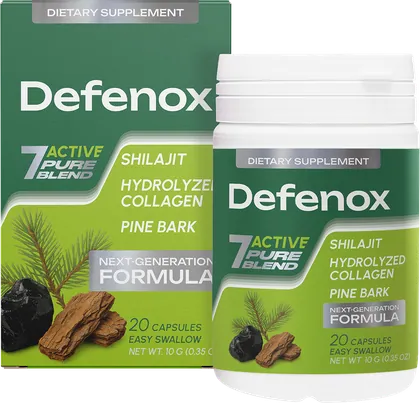
Among the products we review, Defenox includes passionflower herb extract (Passiflora incarnata) in its blend. Defenox is a once-a-day capsule designed to support prostate and urinary comfort and everyday vitality in men, and its formula also lists marshmallow root, shilajit and vitamin C. If evening trips to the bathroom interrupt your rest, our article on nighttime urination in men covers practical habits.
This guide is general information, not medical advice. Ask your doctor or pharmacist before starting a new supplement, especially if you take medication, are pregnant or nursing.
Sources
- NCCIH — Passionflower
- Wikipedia — Passiflora incarnata
- Ngan A., Conduit R. Passiflora incarnata (passionflower) herbal tea and subjective sleep quality. Phytother Res, 2011
- Akhondzadeh S. et al. Pilot double-blind randomized trial of passionflower extract and oxazepam in generalized anxiety. J Clin Pharm Ther, 2001
- Miyasaka L.S. et al. Passiflora for anxiety disorder. Cochrane Database Syst Rev, 2007