Ingredient guide
Bilberry and Blueberry Extract: What the Berries and Their Anthocyanins Offer
Also known as: Vaccinium myrtillus, Vaccinium corymbosum, anthocyanins · By the VitaUSA360 Editorial Team
Quick answer
Bilberry (Vaccinium myrtillus) and blueberry (mostly Vaccinium corymbosum) are close relatives in the same plant genus, and both are rich in deep-blue anthocyanin pigments. Extracts of the fruit are used in eye-support and antioxidant supplements. Research on blueberries and anthocyanins is active, while studies of bilberry extract for vision have produced mixed results.
| Plant genus | Vaccinium (heath family, Ericaceae) |
|---|---|
| Bilberry | Vaccinium myrtillus, a low shrub of European heaths and forests |
| Blueberry | Mainly Vaccinium corymbosum (highbush) and related species, widely grown in North America |
| Plant part used | Ripe fruit; bilberry leaf is a separate, different ingredient |
| Key compounds | Anthocyanins, other polyphenols, vitamin C, fiber |
| Typical forms | Whole or frozen fruit, juice, standardized extracts in capsules and tablets |
| Label wording | “Blueberry fruit extract (Vaccinium)”, “bilberry extract”, “Vaccinium myrtillus” |
What is bilberry, and how is it different from blueberry?
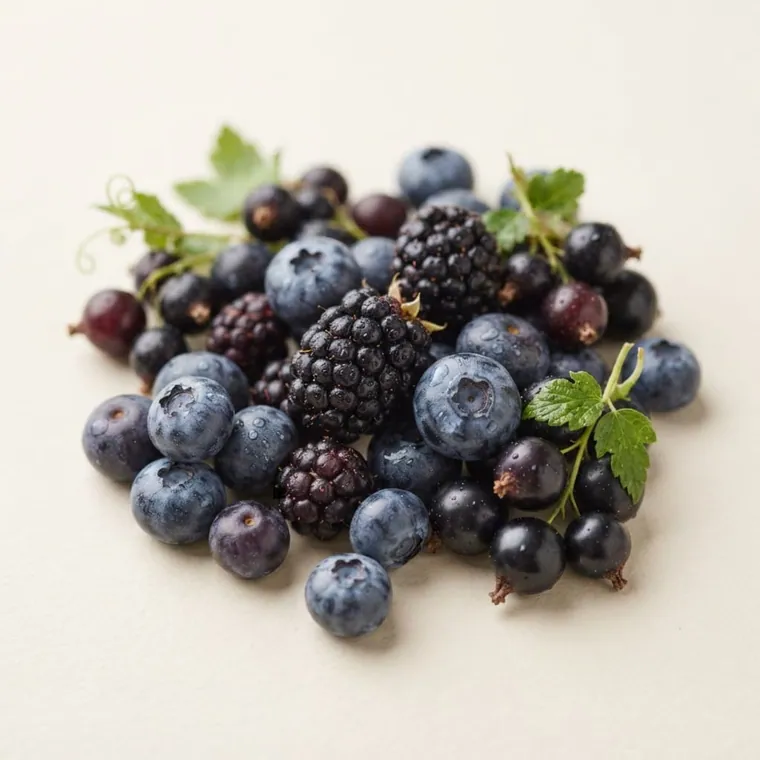
Bilberry and blueberry are two berry-bearing shrubs from the same genus, Vaccinium. Bilberry (Vaccinium myrtillus) is a small European shrub, sometimes called European blueberry or whortleberry. Its berries are smaller and darker than the supermarket blueberry, and the flesh is purple-blue all the way through, which stains fingers and lips.
Blueberries are the larger berries sold in American stores. Most come from highbush species such as Vaccinium corymbosum, and the flesh is pale inside. Because the two plants are so closely related, the names are often mixed up, and a supplement label may say “blueberry” when it means a Vaccinium fruit extract in general. You can read the botanical background in the Wikipedia article on bilberry and the article on blueberry.
What the two fruits share is more important than what separates them: both are rich in anthocyanins, the water-soluble pigments that give the berries their blue, purple and deep-red colors.
Anthocyanins are plant pigments in the flavonoid family, found in blueberries, blackberries, black currants, cherries, red cabbage and grapes. In the plant they act as natural color and as protection against sun and stress. In the diet they are counted among the polyphenols, the plant compounds that researchers study for antioxidant and vascular effects.
Bilberry products are often described by their anthocyanin content, sometimes called anthocyanosides, and a standardized extract states the percentage on the label. The Wikipedia entry on anthocyanins gives a good overview of the chemistry.
Bilberry and blueberry benefits backed by research
Research on these berries is broad, and the findings are most solid for whole blueberries and for general wellness markers. A few specific points:
- Heart and metabolic health. A review in Advances in Nutrition by Kalt and colleagues summarized human observational and clinical research and noted that regular, moderate intake of blueberries and anthocyanins is associated with lower cardiovascular risk and better weight maintenance. The authors also describe effects on blood-vessel function and blood-sugar regulation, and call for more human clinical trials (PubMed).
- Antioxidant and anti-inflammatory activity. The same review points to antioxidant and anti-inflammatory actions as among the most important aspects of blueberry phytochemicals, with anthocyanins probably making the largest contribution.
- Night vision and visual function. A systematic review by Canter and Ernst looked at 12 placebo-controlled trials of bilberry anthocyanosides for night vision. Several trials reported positive effects on adapting to low light, and the authors pointed to dose and extract source as the factors that shape results — with the strongest interest in people whose night vision is reduced (PubMed).
- Overall picture from NCCIH. The National Center for Complementary and Integrative Health describes bilberry as traditionally used for vision, blood sugar and circulation, and notes that research into these uses is ongoing (NCCIH).
In plain terms: berries as a food are well regarded, and bilberry extract is an area where larger, well-designed studies are still needed.
Food is a natural place to start. A cup of blueberries brings fiber and vitamin C along with anthocyanins, and the fruit freezes well, so it is easy to keep on hand all year. Supplements are a convenient complement for people who want a concentrated, standardized amount, and they are generally chosen as a supporting part of a varied, plant-rich diet rather than as a replacement for it.

How are bilberry and blueberry extracts used in eye-support products?
Eye-support formulas often pair a berry extract with nutrients that have their own research history for the eye: lutein and zeaxanthin (the pigments of the macula), zinc, and vitamins A, C and E. The berry contributes anthocyanins and polyphenols to the antioxidant side of the formula, which is why it is a familiar sight next to the vitamins in “antioxidant formula” capsules.
Typical supplement extracts are standardized, concentrating the fruit into a capsule-sized amount. Bilberry extract studies have used extracts at up to 160 mg per day, according to NCCIH. If you are interested in the broader nutrient picture for the eye, our guide to the AREDS2 eye vitamins and the article on digital eye strain are good next reads.
Why do formulators choose berries for this role? Anthocyanins are well known as the pigments behind the color of the fruit, and their appeal in this product area is simple: they bring a plant-based antioxidant story that fits naturally beside the carotenoids and vitamins already in the capsule. Many people also like that berries are a familiar, food-based ingredient, which makes the formula easy to understand at a glance.
How to spot bilberry or blueberry on a label
Look in the supplement facts panel for “bilberry (Vaccinium myrtillus) fruit extract” or “blueberry fruit extract (Vaccinium)”. A label that names only the genus tells you the berry family but not the exact species. Some products also state the anthocyanin percentage; others list only the extract weight, which is a perfectly normal way to label.
Check the plant part. Bilberry fruit is the usual ingredient; bilberry leaf is a different material with different traditional uses, and NCCIH notes that leaf in high doses or long-term use may be unsafe. If the label does not say “leaf”, it is fruit.
Bilberry and blueberry safety, side effects and interactions
Berries in food amounts are considered safe. For concentrated extracts, NCCIH reports that bilberry fruit extract at up to 160 mg a day for up to six months was well tolerated in research, and that safety in pregnancy and breastfeeding at supplement amounts is not well understood.
Because anthocyanin-rich extracts may influence blood sugar and blood clotting in laboratory and early human research, people taking diabetes medicines or blood thinners such as warfarin should ask a pharmacist or doctor before adding a concentrated extract. As with any dietary supplement, tell your health care provider about everything you take, especially before surgery.
Mild digestive upset is the most commonly mentioned complaint with concentrated berry extracts, and taking capsules with a meal usually helps. Choose capsules from a seller that prints the full supplement facts panel, and keep to the directions on the pack. Our overview of supplement regulation and third-party testing explains how to judge quality claims on any label.
Which products we review contain berry extract?
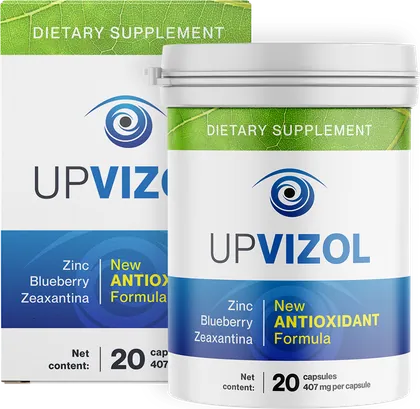
Among the products on this site, UpVizol eye-support capsules list blueberry fruit extract (Vaccinium) alongside lutein, zeaxanthin, zinc, ginkgo and vitamins A, C and E. To learn about its companions, see lutein and zeaxanthin, zinc, vitamin C and ginkgo biloba.
This guide is general information, not medical advice. Ask your doctor or pharmacist before starting a new supplement, especially if you take medication, are pregnant or nursing.
Sources
- Wikipedia — Bilberry
- Wikipedia — Blueberry
- NCCIH — Bilberry
- Kalt W. et al. Recent research on the health benefits of blueberries and their anthocyanins. Adv Nutr
- Canter PH, Ernst E. Anthocyanosides of Vaccinium myrtillus (bilberry) for night vision: a systematic review. Surv Ophthalmol
- Wikipedia — Anthocyanin