Ingredient guide
Ginkgo Biloba Leaf Extract: What to Know Before You Take It
Also known as: Ginkgo biloba leaf extract · By the VitaUSA360 Editorial Team
Quick answer
Ginkgo biloba leaf extract comes from one of the oldest living tree species. Standardized extracts contain flavonoids and terpene lactones and are used in supplements for memory, circulation and eye support. The key safety point: ginkgo may increase the risk of bleeding, so people taking blood thinners or aspirin, or planning surgery, should check with a doctor first. Never eat raw ginkgo seeds — they can be poisonous.
| Plant part used | Leaves (standardized extract) |
|---|---|
| Key compounds | Flavonoid glycosides, terpene lactones (ginkgolides, bilobalide) |
| Common standardization | 24% flavonoids / 6% terpene lactones |
| Main interaction | Blood thinners and antiplatelet drugs |
| Do not use | Raw or roasted seeds |
A living fossil in your supplement
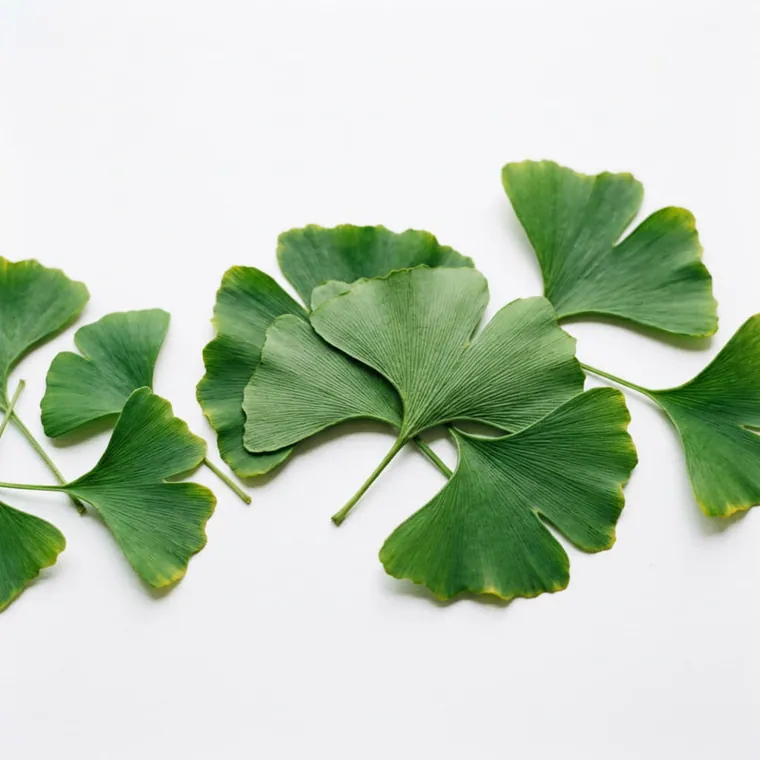
The ginkgo tree has existed for more than 200 million years and is a common street tree in U.S. cities. Supplements use a concentrated leaf extract, usually standardized to about 24% flavonoid glycosides and 6% terpene lactones.
Why it shows up in eye and memory formulas
Ginkgo’s flavonoids are antioxidants, and the extract has been studied for circulation, memory and eye health. In eye formulas it is a supporting ingredient alongside the core nutrients — lutein, zeaxanthin and zinc.

Ginkgo Biloba benefits backed by research
Ginkgo is among the most researched herbal ingredients in the world, so the evidence is worth reading with some care.
It has been studied in large trials. The Ginkgo Evaluation of Memory (GEM) study, reported in JAMA (DeKosky et al.), gave 120 mg of a standardized extract twice a day to more than 3,000 older adults for several years. It is one of the largest and longest botanical trials ever run, which is why ginkgo’s tolerability over years of daily use is so well documented. Researchers continue to study its other areas of interest, such as circulation and eye comfort.
The NIH describes the state of the evidence. The National Center for Complementary and Integrative Health (NCCIH) states that ginkgo leaf extract appears to be safe for most healthy adults when used orally in moderate amounts, and it summarizes research on memory, cognition and circulation, noting that findings are mixed.
The antioxidant chemistry is well described. The Ginkgo biloba entry details the flavonoid glycosides and the unique terpene lactones, ginkgolides and bilobalide, found in the leaf. These compounds are why extracts are standardized, usually to about 24% flavonoids and 6% terpene lactones.
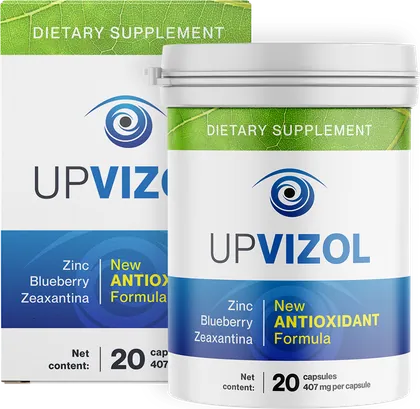
Use in eye formulas is supportive. In products such as UpVizol capsules, ginkgo is a supporting ingredient next to lutein and zeaxanthin. Remember the interaction point covered above: people on blood thinners should check with a doctor first.
The interaction that matters most
Ginkgo may affect blood clotting. The NCCIH notes that it may increase bleeding risk, especially in people taking anticoagulants (such as warfarin) or antiplatelet drugs, and in those with bleeding disorders. It is usually stopped before surgery or dental procedures. If you take any of these medicines, show the label to your doctor or pharmacist before starting a product with ginkgo.
Other safety notes
Side effects of leaf extract are uncommon and usually mild: headache, stomach upset, dizziness or skin reactions. Pregnant and nursing women should avoid it. Raw or roasted ginkgo seeds are a different thing entirely and can cause serious reactions.
This guide is general information, not medical advice. Ask your doctor or pharmacist before starting a new supplement, especially if you take medication, are pregnant or nursing.