Ingredient guide
Aloe Vera for Skin: What the Gel Is and What Research Says About It
Also known as: Aloe barbadensis miller, Aloe vera leaf juice · By the VitaUSA360 Editorial Team
Quick answer
Aloe vera is a succulent whose leaf contains a clear, water-rich gel used in skin care for hydration and soothing. NCCIH treats topical aloe gel and oral aloe latex as separate topics: the gel applied to skin is generally well tolerated, while the latex taken by mouth can cause cramping and diarrhea. Research on topical aloe is mixed across conditions, with the most interest in sunburn, minor burns and radiation-related skin irritation.
| Botanical name | Aloe barbadensis miller (also called Aloe vera) |
|---|---|
| Plant part used | Inner leaf gel (cosmetics); latex is the separate layer under the rind |
| Key components | Water, polysaccharides, vitamins, minerals, amino acids |
| Role in skin care | Hydrating, soothing, lightweight base for creams and gels |
| Common INCI names | Aloe Barbadensis Leaf Juice, Aloe Barbadensis Leaf Extract, Aloe Barbadensis Leaf Juice Powder |
| Most reported side effects (topical) | Occasional burning, itching or rash |
What is aloe vera, and what does it do for skin?
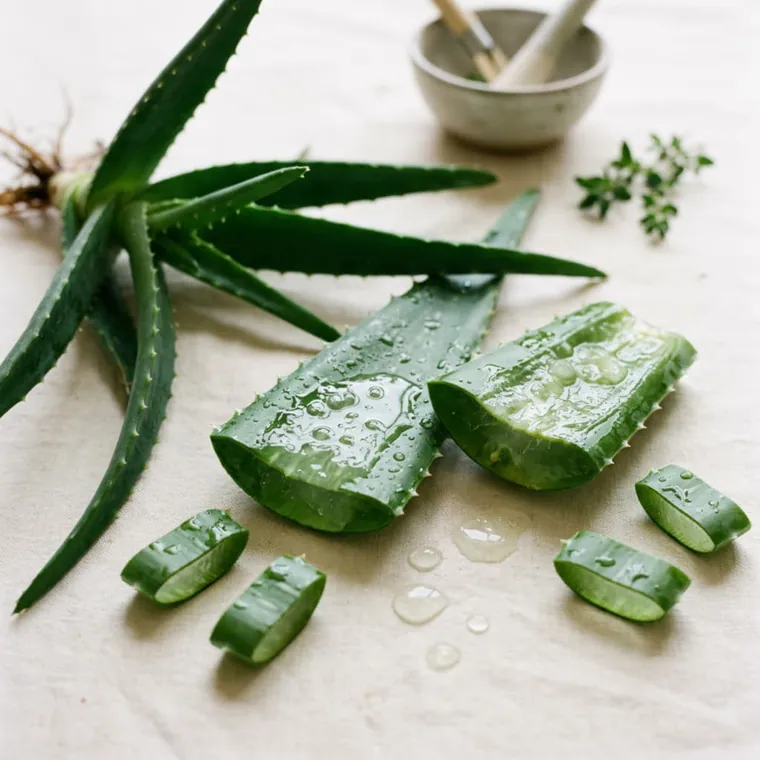
Aloe vera (Aloe barbadensis miller) is a thick-leaved succulent that grows in warm, dry climates and is a common houseplant in the US. Cut a leaf open and you will find three parts: the green outer rind, a bitter yellow latex layer just under the rind, and the clear inner gel, which is roughly 99% water and carries sugars, vitamins, minerals and amino acids. The plant is described in the Wikipedia article on aloe vera.
The gel is the ingredient that appears in lotions and creams. The latex is a different material, historically used as a laxative, and the two should not be confused.
Aloe gel is a light, water-based ingredient that leaves a cool, hydrating film on the skin. In cosmetics it is used for three reasons: it adds moisture, it feels soothing on skin that is dry or has seen too much sun, and it blends well with other ingredients. That is why it is a staple in after-sun products and in gentle daily creams.
NCCIH makes an important distinction: it covers topical aloe gel and oral aloe latex separately, because their uses and safety profiles are different. This page is about the gel used on skin (NCCIH).
Aloe vera benefits backed by research
Studies of topical aloe cover a range of skin situations, and the picture varies by condition:
- Burns and pain. NCCIH notes that clinical research suggests topical aloe gel may speed the repair of burns and reduce burn-related pain (NCCIH).
- Wounds. A Cochrane review by Dat and colleagues analyzed seven trials with 347 participants on aloe products for acute and chronic wounds. Results differed by wound type, including a shorter time to repair after hemorrhoid surgery in one trial. The reviewers judged the trials to be of limited quality and called for higher-quality studies before firm conclusions can be drawn (PubMed).
- Radiation-related skin irritation. A randomized, multicenter trial by Tungkasamit and colleagues in head and neck cancer patients reported a reduction in the severity of radiation-induced dermatitis with topical aloe vera gel (PubMed).
These studies concern medical-grade gels and clinical settings. In a face cream, aloe is a gentle conditioning ingredient that supports the comfort of the skin.
Taken together, the research points to aloe gel as a comfortable, well-tolerated topical choice, with the clearest interest in burns and radiation-related irritation and a continuing need for larger, higher-quality trials in other areas. For everyday skin, the practical benefit is hydration and a soothing feel.

How is aloe vera used in skin-care products?
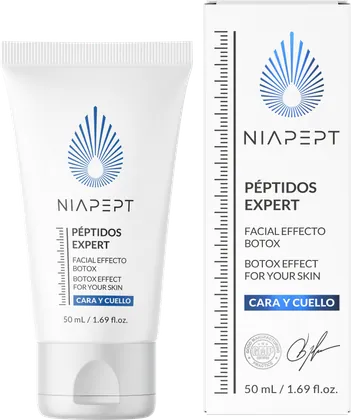
Aloe is used in after-sun gels, hand and body lotions, soothing masks and anti-aging creams. In a face and neck cream it works alongside humectants and actives: hyaluronic acid binds water, niacinamide supports the skin barrier and aloe adds a soft, soothing feel. Niapept is an example of this kind of combination, with aloe vera listed among its key ingredients next to calendula and vitamin E.
Aloe also appears in many “natural” lines as the water phase of a formula, replacing part of the plain water. Read how much of it is in the product by checking its position in the list.
Pure aloe gel from a leaf and a finished cosmetic are not the same thing. Store-bought gels and creams are stabilized with preservatives so they stay fresh in the tube, and they are often standardized for consistency. A fresh leaf is a pleasant home option for sun-exposed skin, but it is best used the same day and should be rinsed of any yellow latex first, since that layer can irritate some people’s skin.
How to spot aloe vera on a label
On cosmetic labels the INCI name is Aloe Barbadensis Leaf Juice (the gel in liquid form), Aloe Barbadensis Leaf Extract or Aloe Barbadensis Leaf Juice Powder. Ingredients are listed generally in descending order of predominance, so aloe near the top of the list means it is a major part of the formula (FDA).
A cosmetic aloe cream is a topical product. It is not a supplement, and it is not meant to be swallowed.
Aloe vera safety, side effects and interactions
NCCIH describes topical aloe gel as generally well tolerated, with occasional reports of burning, itching, rash or eczema. If you have sensitive skin or a history of plant allergies (especially to other aloe species), patch-test first and stop use if a reaction develops.
The cautions in NCCIH’s page belong mainly to oral aloe: the latex can cause abdominal pain, cramps and diarrhea, may raise the risk of side effects with cardiac glycosides such as digoxin, and the FDA required its removal from over-the-counter laxatives. Oral leaf extracts have been linked to cases of liver injury, and oral aloe may be unsafe in pregnancy and breastfeeding. Do not apply aloe to deep or infected wounds without medical advice, and speak to your doctor before taking aloe by mouth.
For topical use, a simple habit helps: apply a thin layer, give it a few minutes to dry, and avoid combining it with new strong actives on the same evening if your skin is reactive. Keep products away from the eyes and store them away from heat. Aloe also makes a pleasant base for layering, so it fits easily into a simple morning and evening skin-care plan.
Which products we review contain aloe vera?
The only product in our reviews that lists aloe vera is Niapept face and neck cream. If you want to explore the other soothing and conditioning ingredients in it, see calendula, hyaluronic acid and vitamin E.
This guide is general information, not medical advice. Ask your doctor or pharmacist before starting a new supplement, especially if you take medication, are pregnant or nursing.