Ingredient guide
Celery Seed (Apium graveolens): A Kitchen Plant in Digestive Formulas
Also known as: Apium graveolens, celery seed and stalk extracts · By the VitaUSA360 Editorial Team
Quick answer
Celery (Apium graveolens) is the familiar kitchen vegetable whose seeds, stalks and leaves are also used in herbal products. Celery seed is rich in aromatic compounds such as 3-n-butylphthalide and limonene, and the whole plant supplies antioxidant flavonoids such as apigenin and luteolin. Celery has a long tradition in digestive and cleansing herbal formulas. It is a common food allergen, and its seeds can increase sun sensitivity, so read the safety notes before use.
| Plant parts used | Seeds (botanically small fruits), stalks and leaves |
|---|---|
| Plant family | Parsley family (Apiaceae) |
| Key compounds | 3-n-butylphthalide, limonene, selinene in the seed oil; apigenin, luteolin and phenolic acids |
| Food sources | Celery stalks, celery seed spice, celery salt, soups and stocks |
| Typical forms | Celery seed extract capsules, stalk and juice powders, multi-herb blends |
| Key safety point | Common food allergen; seeds may increase sun sensitivity |
What is celery seed?
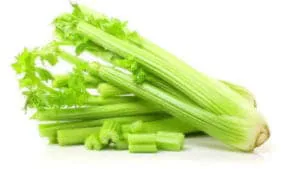
Celery seed comes from Apium graveolens, the same plant that gives us crunchy celery stalks. The tiny brown “seeds” are botanically small dried fruits, and they carry a concentrated version of celery’s warm, slightly bitter aroma. Background on the plant is in the Wikipedia article on celery.
The seeds contain a small amount of essential oil rich in limonene and selinene, plus 3-n-butylphthalide, the compound most responsible for celery’s signature smell. The stalks are mostly water with fiber, potassium and vitamin K, and both seeds and stalks supply flavonoids such as apigenin and luteolin.
In the kitchen, celery seed is the backbone of celery salt, pickling spice and many stocks. In herbal practice, celery seed and stalk extracts appear in digestive and cleansing formulas.
Celery benefits backed by research
Celery research focuses on its antioxidant compounds and on standardized seed extracts. Here are the key findings.
- Antioxidant activity. A systematic review in the Journal of Evidence-Based Complementary and Alternative Medicine (Kooti and Daraei) found that celery owes strong antioxidant activity to compounds such as caffeic acid, p-coumaric acid, ferulic acid, apigenin, luteolin and kaempferol. See it on PubMed.
- Standardized celery seed extract. A research chapter in Progress in Drug Research (Powanda et al.) reviews an alcoholic celery seed extract that, in laboratory models, supported joint comfort and helped protect the stomach lining. See it on PubMed.
- Apigenin. This flavonoid, found in celery, parsley and chamomile, is widely studied for its antioxidant and calming properties. See the Wikipedia article on apigenin.
Human research on celery seed extracts is a growing field, and larger trials are ongoing.

Why is celery used in digestive and cleanse formulas?
Celery is used in digestive and cleanse formulas because it has a long tradition as a gentle digestive and cleansing plant. European and Ayurvedic herbalists used celery seed to support digestion, ease a full, gassy feeling after meals, and support normal fluid balance, since celery has a mild diuretic reputation.
In a blend, celery’s aromatic, slightly savory profile sits well with the bitterness of wormwood and the warmth of turmeric. It shares the parsley family with gotu kola. For simple food-first ideas, read our tips on bloating and digestion.
How does celery appear on a supplement label?
On a label, look for Celery, Celery seed or Apium graveolens, usually with the plant part named: seed, stalk, herb or whole plant. Seed extracts are the most concentrated form; stalk and juice powders are closer to the food.
Some celery seed extracts state a standardization to 3-n-butylphthalide (sometimes written 3nB). In multi-herb capsules, celery is often part of a named blend or biocomplex, with a total weight for the blend.
Check that the product lists the Latin name and plant part. That tells you exactly which celery preparation you are getting.
Celery seed safety, side effects and interactions
Celery is a common food and is well tolerated by most people, but a few reader-safety points matter for concentrated seed products.
- Allergy. Celery is a recognized food allergen, especially in people with birch or mugwort pollen allergy. If celery gives you itching, swelling or hives, avoid celery supplements.
- Sun sensitivity. Celery seeds contain psoralens, natural compounds that can make skin more sensitive to sunlight. Use sun protection, especially if you take other photosensitizing medicines.
- Pregnancy and breastfeeding. Celery as food is fine; concentrated celery seed supplements are best avoided.
- Medicines. Because of celery’s mild diuretic reputation, people taking lithium, diuretics, blood thinners or blood-pressure medicine should ask a clinician first.
- Kidney conditions. Ask a clinician before using concentrated celery seed products.
A dietary supplement is not a medicine and does not replace treatment from your doctor.
Which products we review contain celery?
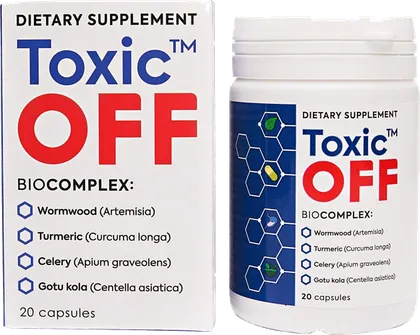
Among the products we review, Toxic OFF lists celery (Apium graveolens) in its botanical biocomplex, alongside wormwood, turmeric, gotu kola and amla. Toxic OFF is a botanical cleanse formula designed to support digestion and the body’s natural cleansing, with one capsule a day. See the Toxic OFF review page for the full formula and directions.
This guide is general information, not medical advice. Ask your doctor or pharmacist before starting a new supplement, especially if you take medication, are pregnant or nursing.
Sources
- Wikipedia — Celery
- Kooti W., Daraei N. A review of the antioxidant activity of celery (Apium graveolens L). J Evid Based Complementary Altern Med, 2017
- Powanda M.C. et al. Celery seed and related extracts with antiarthritic, antiulcer, and antimicrobial activities. Prog Drug Res, 2015
- Wikipedia — Apigenin