Ingredient guide
Cinnamon Oil vs. Cassia Oil: A Plain-English Guide to the Spice Behind the Warmth
Also known as: Cinnamomum verum, Cinnamomum cassia, cinnamaldehyde · By the VitaUSA360 Editorial Team
Quick answer
Cinnamon oil and cassia oil are aromatic essential oils from two close relatives in the Cinnamomum genus: true (Ceylon) cinnamon, Cinnamomum verum, and Chinese cassia, Cinnamomum cassia. Both are rich in cinnamaldehyde, the compound behind the spicy scent and the gentle warming feel in topical balms and gels. They are potent oils, so they belong in a diluted formula, and a patch test is sensible before the first use.

| Plant source | Cinnamomum verum (Ceylon cinnamon) and Cinnamomum cassia (Chinese cassia) |
|---|---|
| Plant part for oil | Bark (cassia oil is often also distilled from leaves and twigs) |
| Key compound | Cinnamaldehyde, often the largest share of bark oil |
| Scent and feel | Warm, spicy, sweet aroma; gentle warming sensation on skin |
| Typical forms | Essential oil, diluted in balms, gels, massage blends and fragrances |
| Main safety point | Can irritate or sensitize skin; dilute and patch test |
What is cinnamon oil, and how is cassia oil different?
Cinnamon oil and cassia oil are both steam-distilled essential oils from trees in the Cinnamomum genus, and they smell alike because they share a lead compound. The difference is the species. True cinnamon (Cinnamomum verum) comes mainly from Sri Lanka and has a softer, sweeter profile. Cassia (Cinnamomum cassia) is native to southern China and has a bolder, more pungent character.
Oil can come from the bark or the leaves. Bark oil is dominated by cinnamaldehyde, while leaf oil is richer in eugenol, the clove-like compound. A single bottle labeled only “cinnamon oil” can therefore smell and behave quite differently from another. As the NCCIH cinnamon fact sheet points out, product labels often do not say which species or plant part was used, so it is worth looking for the Latin name.
In cosmetics and topical products, both oils play the same role: a warm, spicy note in the scent and a mild sensation of warmth on the skin.
Cinnamon oil and cassia oil benefits backed by research
The research on these oils is broad but still developing, and most of it looks at individual compounds rather than finished balms. Here are three specific findings.
- Cinnamaldehyde is the main flavor and scent compound. A chemical analysis of essential oils from different parts of the cassia tree (Huang et al.) mapped which compounds dominate in bark, leaves and twigs, and linked cinnamaldehyde to the characteristic aroma. See the study on PubMed.
- Cinnamaldehyde acts on sensory receptors. A review of cinnamaldehyde and its derivatives (Karimirad et al.) describes how the compound interacts with sensory ion channels and summarizes a wide range of laboratory findings. That receptor activity is the scientific reason the compound is associated with a warming sensation. See the review on PubMed.
- Cinnamon compounds are being studied well beyond the spice rack. A review of cinnamon-derived phytonutrients (Tjandrawinata et al.) covers how these molecules modulate ion channels and receptor signaling, an active area of laboratory research. See the review on PubMed.
The NCCIH notes that research does not yet clearly support cinnamon for specific health conditions, partly because studies often do not name the species or part used. That is why this guide sticks to what the oils are and how they are used, not to health promises.

How are cinnamon and cassia oil used in topical products?
In topicals, cinnamon and cassia oil are used for their scent and for a gentle sense of warmth. Cinnamaldehyde stimulates sensory receptors in the skin, which people feel as a mild, spreading warmth. Formulators combine that warmth with other botanicals such as ginger, rosemary oil and eucalyptus oil.
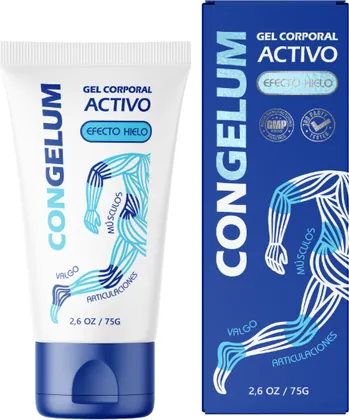
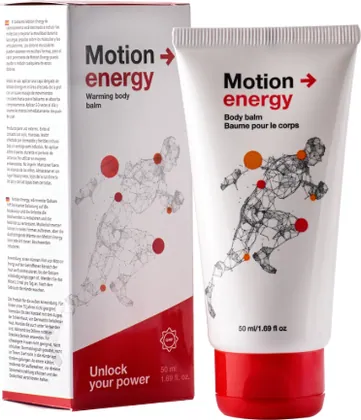
Two of the products we review use these oils in different roles. Congelum, a cooling gel, lists cassia oil as a warm, spicy note that rounds out its camphor and eucalyptus base. Motion Energy, a warming balm, lists cinnamon oil as one of its warmth-giving ingredients. Both are topical products for use on skin, not dietary supplements, and neither oil is meant to be swallowed.
Because the oils are concentrated, they appear in small amounts inside a carrier base. That dilution is what keeps the sensation pleasant instead of sharp.
How to spot cinnamon or cassia oil on a label
On a cosmetic or topical label, look for the botanical names in the ingredient list. INCI-style labels use Cinnamomum Cassia Bark Oil, Cinnamomum Cassia Leaf Oil or Cinnamomum Zeylanicum Bark Oil (the older name for Ceylon cinnamon). Plain-language labels may say “cassia oil” or “cinnamon oil.”
Ingredients are listed from the highest to the lowest concentration, so an oil near the end of the list is present in a small amount. You may also see cinnamal or cinnamaldehyde. These are among the fragrance allergens that regulators in some regions require to be named on cosmetic labels. If a label says only “fragrance” or “parfum,” you cannot tell whether a cinnamon-derived compound is inside.
A good habit is to check the species, the plant part and where the oil sits in the list before you buy.
Is cinnamon or cassia oil safe? Side effects and interactions
Cinnamon and cassia oils are safe for most people when diluted in a finished topical product, but they are among the essential oils most likely to irritate skin. The NCCIH notes that topical cinnamon oil or powder may cause skin irritation or contact dermatitis. Cinnamaldehyde is a recognized contact allergen, which means a person can become sensitized to it over time.
- Patch test first. Apply a small amount to the inner forearm, leave it for 24 hours and watch for redness, itching or swelling before using it more widely.
- Dilute. Never apply undiluted essential oil to skin. Use finished products as directed, in a thin layer.
- Keep away from eyes, lips and broken skin. Wash your hands after applying.
- No heat on top. Avoid heating pads or tight wraps over a warming product.
- Do not swallow. Essential oils are for external use only.
- Coumarin. The NCCIH notes that cassia cinnamon contains coumarin, which has been linked to liver effects at high intakes. This is mainly a consideration for ground cassia eaten in large amounts, not for a diluted balm.
If you have a known fragrance or spice allergy, are pregnant, or take medicines, ask a pharmacist or clinician before trying a new topical.
Which products we review contain cinnamon or cassia oil?
Two topical products on our site list these oils. Congelum cooling gel contains cassia oil alongside camphor, eucalyptus and rosemary oils. Motion Energy warming balm contains cinnamon oil alongside ginger extract, rosemary and eucalyptus. If you want to see how the two feel side by side, read about the camphor and ginger in the same formulas.
This guide is general information, not medical advice. Ask your doctor or pharmacist before starting a new supplement, especially if you take medication, are pregnant or nursing.