Ingredient guide
Rosemary Oil (Rosmarinus officinalis): Benefits, Uses and Safety
Also known as: Rosmarinus officinalis, Salvia rosmarinus · By the VitaUSA360 Editorial Team
Quick answer
Rosemary oil is an essential oil steam-distilled from the leaves and flowering tops of the rosemary shrub, Rosmarinus officinalis. Its main aromatic compounds include 1,8-cineole, camphor and alpha-pinene, which give it a fresh, herbal, slightly woody scent. Research has looked at rosemary aroma and cognition and at scalp use, and in topical gels and balms it adds an invigorating aroma. It is used diluted and should never be swallowed.
| Source | Leaves and flowering tops of Rosmarinus officinalis (now also called Salvia rosmarinus) |
|---|---|
| Main compounds | 1,8-cineole, camphor, alpha-pinene, borneol, rosmarinic acid in the leaf |
| Aroma | Fresh, herbal, camphor-like and woody |
| Found in | Cooling gels, warming balms, massage oils, scalp products, perfumery |
| Used how | Diluted, on skin, in finished products |
| Key safety point | Do not swallow; patch test; keep away from children |
What is rosemary oil?
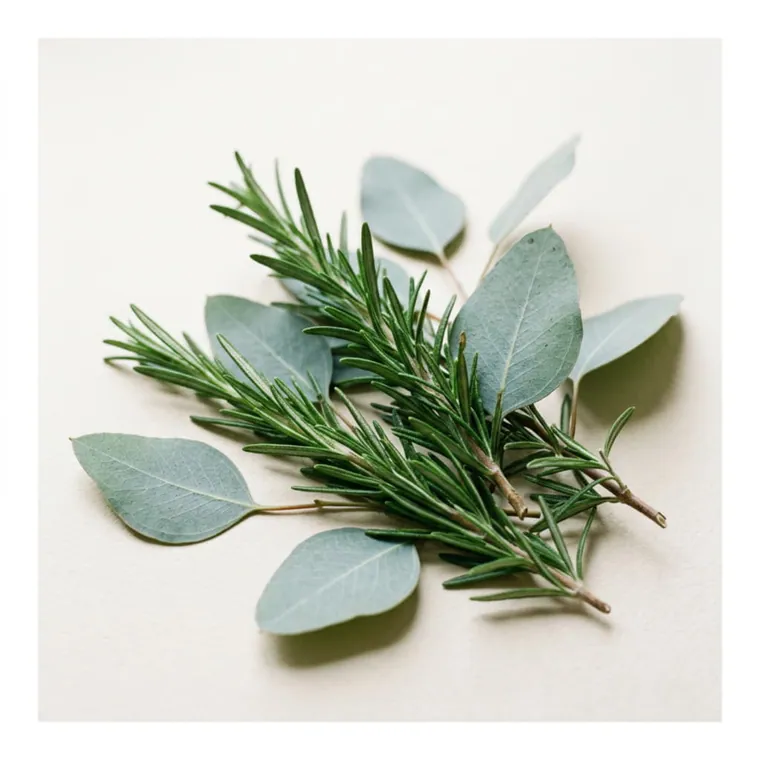
Rosemary oil is the aromatic essential oil of rosemary, an evergreen Mediterranean shrub in the mint family. The oil is steam-distilled from the needle-like leaves and flowering tops, producing a clear to pale-yellow liquid with a clean, herbal, slightly camphor-like scent. Botanists now classify the plant as Salvia rosmarinus, but Rosmarinus officinalis remains the name on most labels. Background on the plant is in the Wikipedia article on rosemary.
Rosemary oil is not the same as rosemary extract, which is made by extracting the leaves with a solvent and is rich in compounds like rosmarinic acid and carnosic acid. Cosmetic and rub labels may list either one.
The oil’s main components typically include 1,8-cineole (also called eucalyptol), camphor, alpha-pinene and borneol. The exact mix varies with the variety, growing region and harvest. Rosemary grown in Spain, Tunisia and Morocco is often distilled for commercial oil, and chemotypes rich in 1,8-cineole are the ones prized for a crisp, camphor-like aroma in gels and balms.
Rosemary oil benefits backed by research
Rosemary is one of the most-studied culinary herbs, and the research on its oil is a growing area. Here are three specific findings, with the caveat that many studies are small.
- Aroma and memory tasks. In a study in the International Journal of Neuroscience (Moss et al.), 144 healthy volunteers did a battery of computerized tests in a cubicle scented with rosemary, lavender or no odor. The rosemary group scored higher on overall memory quality and secondary memory, though speed of memory was slower. See it on PubMed.
- A link to absorbed 1,8-cineole. A follow-up in Therapeutic Advances in Psychopharmacology (Moss and Oliver) measured blood levels in 20 volunteers after rosemary aroma exposure and found that higher levels of 1,8-cineole went with better speed and accuracy on cognitive tasks. See it on PubMed.
- Scalp use compared with minoxidil. In a randomized trial in SKINmed (Panahi et al.), 100 people with androgenetic alopecia used either rosemary oil or 2% minoxidil for six months. Both groups showed a significant increase in hair count at the six-month mark, with no significant difference between them, and scalp itching was less frequent with rosemary oil. See it on PubMed.
Rosemary oil is also widely used simply for its pleasant, invigorating scent. Studies on pain are limited, so in rubs we describe rosemary as a contributor to the aroma and the overall sensory experience rather than as a treatment.

How is rosemary oil used in cooling gels and warming balms?
In topical rubs, rosemary oil serves as a fragrant, herbal supporting ingredient that works alongside the products’ main cooling or warming agents. Because it contains 1,8-cineole and a little camphor, it shares some of the fresh character of eucalyptus and camphor oils. That is why it blends so naturally into both product families.
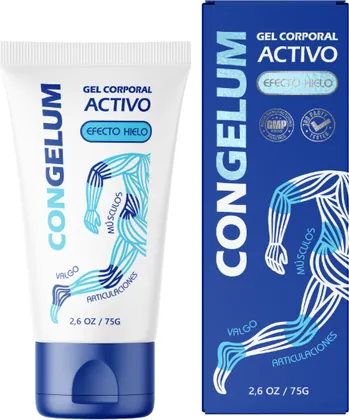
Cooling gels. Congelum combines camphor, eucalyptus oil, rosemary oil and cassia oil. Here rosemary rounds out the crisp, icy top note with an herbal body.
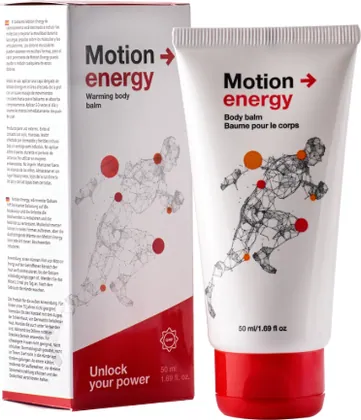
Warming balms. Motion Energy pairs rosemary oil with cinnamon oil and ginger extract, and the balm adds a clean herbal scent on top of the spreading warmth.
Both are counterirritant-style products, meaning they create a pleasant skin sensation as you massage them in. The massage itself is part of the comfort. Rosemary oil is also found in massage oils, bath products and scalp care.
How to spot rosemary oil on a label
On cosmetic labels, rosemary oil usually appears under its INCI name, Rosmarinus officinalis leaf oil. You may also see Rosmarinus officinalis (rosemary) leaf extract, which is an extract rather than the oil, or Salvia rosmarinus, the newer botanical name.
A few points help when comparing products. Ingredient lists run from the highest amount to the lowest, so an essential oil listed near the end is present in a small amount. Natural fragrance components such as limonene and linalool are often listed separately because they occur in essential oils and must be declared in some markets. A label that says for external use only is the right sign for a rub or gel.
Rosemary oil safety, side effects and interactions
Rosemary oil is generally well tolerated on skin when it is diluted in a finished product, but it is a concentrated essential oil and should be handled with care.
- Never swallow it. Essential oils can cause serious poisoning if ingested, particularly in children. Call Poison Control at 1-800-222-1222 if someone swallows a product.
- Dilute and patch test. Undiluted essential oil can irritate skin. Apply finished products in a thin layer, and if your skin is sensitive, test a small area first and wait 24 hours.
- Avoid eyes and broken skin. Wash your hands after use.
- Young children. Rosemary oil contains camphor and 1,8-cineole, so it is not recommended on or near the faces of babies and young children.
- Pregnancy, nursing and medical conditions. Ask a clinician before use, and be cautious if you have a seizure disorder.
The NCCIH page on aromatherapy and the Poison Control essential oils guidance explain dilution and storage in plain language.
Which products we review contain rosemary oil?
Two of the products we review include rosemary oil, and both are topicals, not supplements: Congelum, a cooling gel, and Motion Energy, a warming balm. For the related ingredients, read our guides to camphor, eucalyptus oil and ginger, or see how the two products differ in Congelum vs Motion Energy.
This guide is general information, not medical advice. Ask your doctor or pharmacist before starting a new supplement, especially if you take medication, are pregnant or nursing.
Sources
- Wikipedia — Rosemary
- NCCIH — Aromatherapy (essential oil safety)
- Poison Control — Essential oils: poisonous when misused
- Moss M. et al. Aromas of rosemary and lavender essential oils and cognition. Int J Neurosci
- Moss M., Oliver L. Plasma 1,8-cineole correlates with cognitive performance after rosemary aroma. Ther Adv Psychopharmacol
- Panahi Y. et al. Rosemary oil vs minoxidil 2% for androgenetic alopecia. Skinmed