Ingredient guide
Vitamin A (Retinol): Benefits for Eyes, Sources and Upper Limits
Also known as: Retinol, retinyl acetate, retinol acetate · By the VitaUSA360 Editorial Team
Quick answer
Vitamin A is a fat-soluble vitamin that supports vision, especially in dim light, along with immune function and normal skin. Adults need 900 mcg RAE (men) or 700 mcg RAE (women) per day, and the upper limit for preformed vitamin A is 3,000 mcg RAE. Because it is stored in the body, more is not better.

| Type | Fat-soluble vitamin |
|---|---|
| Forms | Preformed (retinol, retinyl acetate) and provitamin A carotenoids |
| Adult RDA | 900 mcg RAE (men), 700 mcg RAE (women) |
| Tolerable Upper Intake Level (UL) | 3,000 mcg RAE per day of preformed vitamin A |
| Daily Value on labels | 900 mcg RAE |
| Top food sources | Beef liver, eggs, dairy, carrots, sweet potato, spinach |
| Key jobs | Vision in dim light, immune function, skin and mucosal surfaces |
What is vitamin A?
Vitamin A is a group of fat-soluble compounds, including retinol, retinal and retinoic acid. It exists in two nutritional forms. Preformed vitamin A (retinol and retinyl esters such as retinyl acetate) comes from animal foods and supplements. Provitamin A carotenoids, such as beta-carotene, come from colorful plants, and the body converts them to vitamin A as needed. The Wikipedia article on vitamin A gives the chemistry background.
Amounts are measured in micrograms of retinol activity equivalents (mcg RAE), which allows for the fact that the body converts carotenoids less efficiently than it absorbs retinol. Older labels may use international units (IU), so check which unit a label uses.
Vitamin A benefits backed by research
Vitamin A has three well-established roles, and research continues in others.
1. Vision. Retinal, made from vitamin A, combines with the protein opsin to form rhodopsin, the light-sensing pigment in the rod cells of the retina. Without enough vitamin A, night vision suffers first. The NIH Office of Dietary Supplements describes night blindness and dry eye as early signs of deficiency worldwide.
2. Immune health in children. A Cochrane review (Imdad et al.) concluded that vitamin A supplementation in children aged six months to five years, in places where deficiency is common, reduces mortality and lowers the occurrence of diarrhea and measles. This finding relates to communities with deficiency, not to well-nourished adults.
3. Eye nutrients in combination. In the original AREDS trial (AREDS Research Group), the formula used beta-carotene, which the body can convert to vitamin A, together with vitamins C and E, zinc and copper. The later AREDS2 trial (AREDS2 Research Group) tested removing beta-carotene and adding lutein and zeaxanthin, partly because of lung-cancer concerns in smokers.
Vitamin A also supports the surface of the eye: it helps the cells of the cornea and conjunctiva keep a moist, healthy covering, and it supports normal skin and mucous membranes.

Is vitamin A good for your eyes?
Yes, it is essential for normal vision. Vitamin A plays a direct part in the visual cycle, which is why it is included in eye-support supplements. In most well-fed people in the United States, deficiency is uncommon, so the practical aim is to meet the RDA, not to exceed it.
Vitamin A works alongside zinc, which helps move vitamin A from the liver to the retina. It also sits next to antioxidants such as vitamin C and vitamin E and the macular pigments lutein and zeaxanthin, which are not forms of vitamin A but are part of the same nutrient conversation for the eye. For everyday screen use, read our guide to digital eye strain.
Food sources and how to read vitamin A on a label
Beef liver is the richest source of preformed vitamin A; a single small serving can exceed the daily limit. Eggs, whole and fortified milk, and fortified cereals contribute smaller amounts. For provitamin A, think orange and green: sweet potato, carrots, butternut squash, spinach, kale and cantaloupe.
Reading a label. A line such as “Vitamin A (as retinyl acetate)” or “retinol acetate” tells you the amount comes from preformed vitamin A. A line such as “(as beta-carotene)” means a provitamin A source. Some labels show a split, for example part retinyl acetate and part beta-carotene. The amount is given in mcg RAE or IU and the % Daily Value is based on 900 mcg RAE.
Because vitamin A is fat-soluble, it is better absorbed with a meal that contains some fat. A simple plate shows how easy the RDA is to reach: a medium baked sweet potato alone provides well over the daily need in provitamin A, and a cup of cooked spinach is not far behind. Cooking carrots with a little oil improves how much the body takes up.
Fortified foods such as breakfast cereals and plant milks often add vitamin A too, so count them when you add up your daily total from food and supplements. If you eat liver regularly, remember that it alone can supply several times the daily need.
Vitamin A safety, side effects and interactions
The tolerable upper intake level for preformed vitamin A in adults is 3,000 mcg RAE (10,000 IU) per day. Because the liver stores vitamin A, taking more than that over time can cause headaches, dizziness, nausea, dry skin and, in more serious cases, liver damage and bone changes. Carotenoids from food do not carry the same risk.
Pregnancy. High intakes of preformed vitamin A early in pregnancy are linked to birth defects. Pregnant women, and women who might become pregnant, should keep total preformed vitamin A below the upper limit and ask their clinician about any supplement.
Interactions. Do not combine vitamin A supplements with prescription retinoids such as isotretinoin without medical advice. Some medicines for weight loss (orlistat) can reduce absorption of fat-soluble vitamins. Smokers are advised to avoid high-dose beta-carotene supplements, which were associated with a higher risk of lung cancer in earlier trials.
Which products we review contain vitamin A?
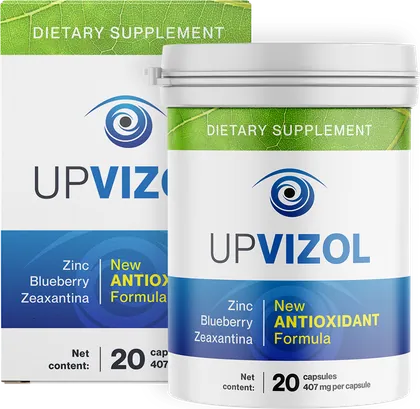
UpVizol capsules list vitamin A as retinol acetate, alongside zinc citrate, vitamins C and E, lutein, zeaxanthin, blueberry extract and ginkgo. This is a supplement that is designed to support normal vision; the amount per capsule is shown on the Supplement Facts panel, so you can compare it with the daily values above.
Related guides: zinc, vitamin C, vitamin E and bilberry and blueberry.
This guide is general information, not medical advice. Ask your doctor or pharmacist before starting a new supplement, especially if you take medication, are pregnant or nursing.
Sources
- Wikipedia — Vitamin A
- NIH Office of Dietary Supplements — Vitamin A fact sheet
- MedlinePlus — Vitamin A
- Imdad A et al. Vitamin A supplementation for preventing morbidity and mortality in children from six months to five years of age. Cochrane Database Syst Rev
- AREDS Research Group. High-dose vitamins C and E, beta carotene and zinc for age-related macular degeneration. Arch Ophthalmol
- AREDS2 Research Group. Lutein + zeaxanthin and omega-3 fatty acids for age-related macular degeneration. JAMA