Buyer’s guide
Skin Care After 50: What Changes and What to Look For
By the VitaUSA360 Editorial Team
The short answer
After 50, skin makes less collagen and less natural oil, and its barrier holds water less easily, especially after menopause. A simple plan is enough: a daily broad-spectrum sunscreen, a gentle cleanser, and a moisturizer with humectants, ceramides and soothing ingredients such as niacinamide or peptides. Do not forget the neck and décolleté.
How does skin change after 50?
Skin after 50 tends to be thinner, drier and slower to renew itself. The National Institute on Aging describes dryness, thinning and a loss of fat under the skin as common with age, and it recommends gentle daily care and sun protection (see NIA skin care and aging).
- Collagen and elastin: the proteins that give skin its bounce are produced in smaller amounts, so fine lines and a softer jawline become more visible.
- Oil: oil glands produce less sebum, so skin feels tight and dry more often.
- The barrier: the outer layer holds water less effectively, so skin can feel more reactive.
None of this is a problem to fix. It is a signal to adapt the way you care for your skin.
Skin also becomes more fragile to the sun and to friction. Small bruises and dry patches on the forearms and hands are common, and gentle products with a short ingredient list are usually the most comfortable. Changes happen gradually, which is a good reason to build simple habits now rather than wait for a big shift.
Why does menopause affect skin?
Menopause lowers estrogen, and estrogen supports skin thickness, collagen and moisture. Studies of postmenopausal skin have reported that collagen content drops most quickly in the first years after menopause, which is one reason many women notice dryness and a change in firmness around that time. The hormonal background is outlined on Wikipedia’s menopause page.
Practical effects include itchier, drier skin and a more visible neck and jawline. Richer moisturizers, a gentle cleanser and daily sunscreen address most of it. Questions about hormones themselves belong with your own doctor.
Hydration from the outside helps most with the feeling of dryness. Humectants draw water in, and a barrier-supporting cream helps keep it there. Applying moisturizer twice a day, morning and evening, is a simple step that many people find makes skin look smoother and feel more comfortable.
Does sunscreen really come first?
Yes. Sun exposure is the biggest outside factor in how skin ages, and daily sunscreen is the first step in any plan after 50.
The American Academy of Dermatology recommends a broad-spectrum, water-resistant sunscreen with SPF 30 or higher on all exposed skin, and reapplying about every two hours outdoors (see the AAD sunscreen guide). Include the neck, ears and the V of the chest, which get sun on every walk and drive. Side windows in a car let through UVA rays, so the left side of the face and the left arm often show more sun damage in people who drive a lot.
Mineral sunscreens with zinc oxide or titanium dioxide are a gentle option if your skin has become sensitive. Apply about a nickel-sized amount to the face and a full teaspoon to the face and neck together.

What kind of cleanser suits mature skin?
Choose a gentle, fragrance-free cleanser and use lukewarm water. Hot water and strong foaming washes remove oils that mature skin has less of to begin with. Creamy, lotion-style or gel-cream cleansers usually feel more comfortable than foaming ones, and a cleanser should leave skin feeling clean but never squeaky or tight.
In the morning, many people with dry skin simply rinse with water and apply moisturizer and sunscreen. In the evening, a proper cleanse removes sunscreen, makeup and the day’s dust so that your moisturizer can do its job overnight.
Washing once or twice a day is enough for most people. Pat the skin dry rather than rubbing, and apply moisturizer within a few minutes, while the skin is still slightly damp, so it can help seal in water.
If you wear makeup or sunscreen, a cleansing balm or micellar water in the evening removes it without scrubbing. Skip rough scrubs and tools that scrape the surface; mature skin renews more slowly, and gentle care keeps the barrier comfortable.
What should you look for in a moisturizer for mature skin?
Look for a moisturizer that combines a humectant, an emollient and a soothing or supportive active. Each part does a different job.
- Humectants such as glycerin and hyaluronic acid attract water to the skin surface so it looks plump and hydrated.
- Ceramides and emollients (shea butter, squalane, fatty alcohols) support the barrier and soften rough texture.
- Niacinamide supports barrier function and even-looking tone; a frequently cited study (Bissett et al.) reported improved appearance of fine lines and texture on aging facial skin (PubMed).
- Peptides such as argireline are added for the look of expression lines.
- Soothing botanicals such as aloe vera and calendula are common in gentle formulas.
- Antioxidants such as vitamin E and vitamin C are used to protect the look of the skin from daily environmental stress.
Check the jar or tube for the ingredient list: it should read like a short, readable recipe, with water and a humectant near the top. Fragrance-free formulas are a safe starting point if your skin has become more sensitive. Texture matters too: lotions suit warm months and combination skin, while creams and balms feel better on dry skin in winter. If one product feels too heavy, a lighter hydrating layer under it can bring the balance back.
Is a retinoid part of skin care after 50?
Many dermatologists suggest retinoids for the look of fine lines and uneven texture, and the American Academy of Dermatology describes them as one of the most studied topical ingredients for aging skin.
Retinoids can dry and irritate, especially at the start, so they are usually introduced slowly: a pea-sized amount two or three nights a week, followed by moisturizer. Stronger prescription retinoids are a conversation for your dermatologist. If your skin is already dry or reactive, a moisturizer with niacinamide and peptides is a gentler place to begin. Whichever you choose, wear sunscreen in the morning, because retinoids make skin more sun-sensitive.

What should you look for in a neck cream or face and neck cream?
A good neck cream is simply a well-built moisturizer you are comfortable applying below the jawline. The skin there is thinner and has fewer oil glands than the face, so it tends to dry out and show lines sooner.
Look for the same building blocks: humectants, emollients, niacinamide and peptides, plus daily sunscreen on top. A face and neck cream saves a step because one formula covers both areas.
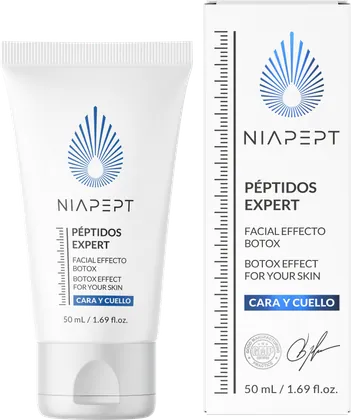
Niapept is a face and neck cream with argireline, niacinamide, hyaluronic acid, calendula, vitamin E and aloe vera. It is designed for the look of smoother, hydrated skin on the face and neck, and it is a topical cosmetic, not a supplement. You can read customer reviews of Niapept to see how others describe it.
When you apply a neck product, use gentle upward strokes from the collarbone to the jawline and include the décolleté. Extend your face sunscreen down to the same area every morning. If your neck skin is easily irritated, patch-test on the side of the neck for a few days before using a new product more widely.
What everyday habits support healthier-looking skin?
Daily habits matter as much as the products. These are the ones with the strongest support from dermatology and public health guidance.
- Sun protection: sunscreen, a hat and shade during peak midday hours.
- Skip smoking: smoking is associated with earlier and deeper lines and a duller complexion.
- Sleep: seven to nine hours supports the body’s overnight renewal; sleeping on your back can also reduce pillow creases.
- Hydration and food: drinking water helps overall health, and a varied diet with fruit, vegetables and protein supplies the building blocks skin uses.
- Short, lukewarm showers: hot water dries mature skin.
- Moisturize after bathing: it is the easiest time to lock in water.
- Stay active: regular walking supports circulation and overall well-being, which show up in how you look and feel.
- Mind your posture with screens: looking down at a phone repeatedly can emphasize neck creases, so lift the screen to eye level when you can.
When should you see a dermatologist?
See a dermatologist for any spot that is new, growing, bleeding or changing color, or a sore that lingers for more than a few weeks.
The AAD also recommends a professional skin check if you have had a lot of sun exposure or a family history of skin cancer. Persistent itching, a rash that will not clear, or a reaction to a new product are other good reasons to book a visit. Bring the product list or photos of the labels so the dermatologist can review the ingredients with you. A moisturizer or neck cream supports how skin looks and feels; it does not replace a medical exam.
General information only — not medical advice. Talk to your doctor or pharmacist about your situation.
Sources
- National Institute on Aging — Skin Care and Aging
- American Academy of Dermatology — How to select a sunscreen
- American Academy of Dermatology — How to test skin care products
- Bissett D.L. et al. Niacinamide: a B vitamin that improves aging facial skin appearance. Dermatol Surg, 2005
- Wikipedia — Menopause
More guides
- Prostate Supplements: What Is Inside and How to Choose One
- Nocturia in Men: Why You Wake Up to Urinate and What Helps
- Seven Foods Men Can Eat for Prostate Wellness
- Parasite Cleanse Explained: Herbal Formulas, Doctor Testing and Prevention
- How to Ease Bloating and Support Healthy Digestion
- Matcha or Coffee? A Side-by-Side Look at Your Morning Cup
- Green Tea, Matcha and Weight Management: A Practical Guide
- Making Matcha at Home: Step-by-Step for Every Style
- Joint Supplements Explained: Nine Ingredients and What Studies Say
- Glucosamine, Chondroitin, MSM and Boswellia: A Fair Comparison
- Why Are My Joints Stiff in the Morning, and What Can Help?
- Vitamin C for Collagen: How Your Body Builds It
- AREDS2 and Eye Vitamins: What the Research Studied, in Plain English
- Digital Eye Strain: Why Screens Tire Your Eyes and What Helps
- How Supplements Are Regulated in the U.S. and What Third-Party Testing Means
- Cold or Heat for Sore Muscles: A Practical Guide
- Sore After a Workout? What Muscle Soreness Is and How to Ease It
- How Muscle Rubs Work: A Plain-English Guide to Topical Relief
- Peptides in Skin Care: What They Are and How They Are Used
- How to Read a Supplement Facts Label in Five Minutes
- Supplements and Medications: Five Interactions Worth Checking
- Ordering Supplements Online: A Practical Buyer’s Checklist