Ingredient guide
Devil’s Claw (Harpagophytum procumbens): A Plain-English Guide
Also known as: Harpagophytum procumbens · By the VitaUSA360 Editorial Team
Quick answer
Devil’s Claw is a Southern African plant whose dried tuberous root is used in supplements for joint and lower-back comfort. Its best-known compounds are iridoid glycosides such as harpagoside. It is generally well tolerated in short-term use, with digestive upset the most common complaint, but it is not for everyone — people with stomach ulcers or gallstones and those on blood thinners or diabetes medication should ask a clinician first.
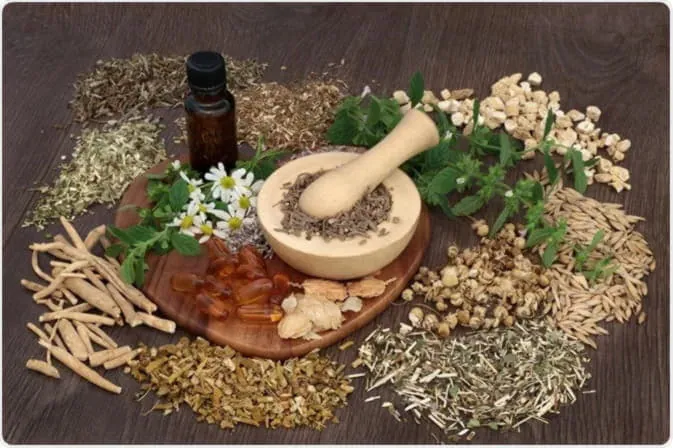
| Plant part | Secondary (tuberous) root |
|---|---|
| Native to | Kalahari region, Southern Africa |
| Key compounds | Iridoid glycosides, especially harpagoside |
| Typical forms | Capsules, tablets, teas, combination joint formulas |
| Most common side effect | Digestive upset |
Where Devil’s Claw comes from
The plant gets its name from the hooked, claw-like fruit that clings to animals passing through the Kalahari. What ends up in supplements is not the fruit but the secondary root, which is dug up, sliced and dried. Traditional healers in Southern Africa used it for generations, and it reached European herbal practice in the 20th century.
Why it appears in joint formulas
Devil’s Claw is one of the most frequently studied herbs for joint and back comfort. A Cochrane review of herbal medicines for low-back pain (Oltean et al., 2014) included several trials of Devil’s Claw, and it has also been studied in people with osteoarthritis. That research history is why formulators often pair it with Boswellia and MSM.

Devil’s Claw benefits backed by research
Devil’s Claw is one of the better-studied herbs for back and joint comfort, and the research can be summarized in a few clear points.
A Cochrane review looked at it for low-back pain. The Cochrane review of herbal medicine for low-back pain (Oltean et al.) pooled randomized trials of several herbal products. For Harpagophytum extract standardized to 50 mg or 100 mg of harpagoside per day, the reviewers reported moderate-quality evidence of short-term pain improvement compared with placebo. That makes the dose and the standardization on a label worth reading.
The active compounds are well characterized. The root contains iridoid glycosides, mainly harpagoside, harpagide and procumbide, along with phenolic compounds. As the Harpagophytum encyclopedia entry explains, extracts have been studied in laboratory models for their effect on inflammatory signaling, which is the scientific reason the root is paired with other joint ingredients.
Quality and form matter. Studies used dried-root extracts rather than raw powder, and results are linked to the harpagoside content. A product that names the plant part (secondary root) and the extract amount is easier to compare with the research.
Safety guidance comes from US health agencies. The FDA page on dietary supplements reminds shoppers that supplements are not reviewed for effectiveness before sale and that anyone on prescription medication should check with a health professional. Larger and longer trials of Devil’s Claw are still being run, so current findings are best read as encouraging for short-term comfort rather than as the last word.
How to read it on a label
Look for the Latin name Harpagophytum procumbens and the plant part (root). Some products state a standardized amount of harpagoside; others list only the extract weight. Both are legitimate — standardization simply tells you more about one compound.
Safety and interactions
In studies, Devil’s Claw has mostly been well tolerated for periods of several months. Diarrhea and other digestive symptoms are the most common side effects. Because it may affect stomach acid, heart rate, blood pressure and blood sugar, it is usually not recommended for people with stomach ulcers or gallstones, and anyone taking blood thinners, diabetes or blood-pressure medication should talk to a doctor first. It is not recommended during pregnancy or breastfeeding.
This guide is general information, not medical advice. Ask your doctor or pharmacist before starting a new supplement, especially if you take medication, are pregnant or nursing.