Ingredient guide
Tamarind (Tamarindus indica): What the Pulp Offers as a Food and Botanical
Also known as: Tamarindus indica, tamarind pulp · By the VitaUSA360 Editorial Team
Quick answer
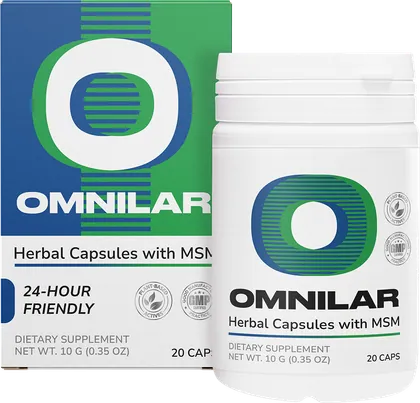
Tamarind is the sweet-and-sour pulp inside the brown pods of Tamarindus indica, a tropical tree. As a food it supplies fiber, potassium, magnesium and iron, along with natural fruit acids and plant polyphenols. It has a long history in cooking and traditional practice, and it appears as a pulp ingredient in Omnilar, a joint-support capsule.
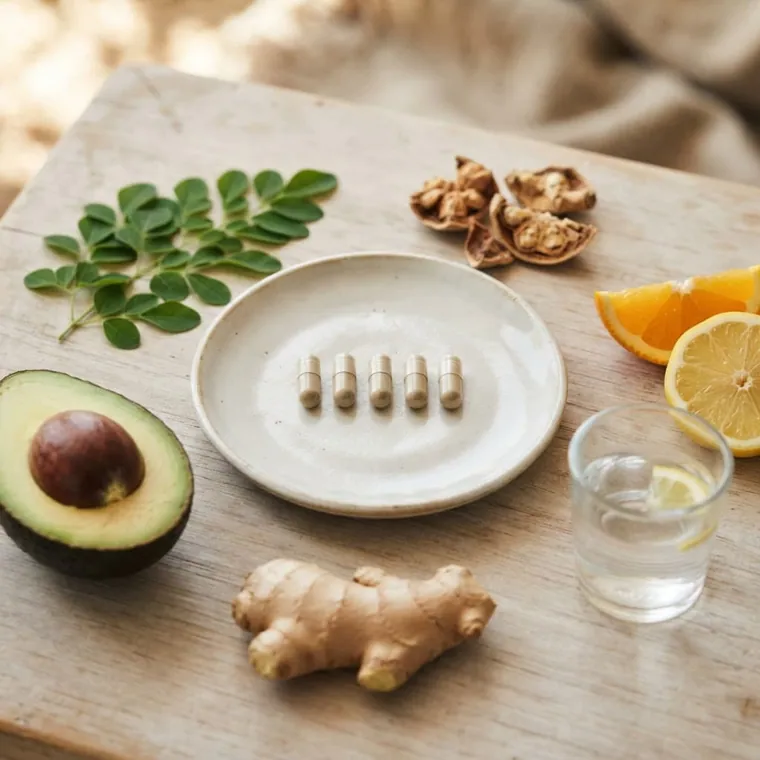
| Plant part | Fruit pulp from the pod (seeds, leaves and bark are used differently) |
|---|---|
| Native to | Tropical Africa; widely grown in India and Southeast Asia |
| Notable nutrients | Fiber, potassium, magnesium, iron, B vitamins |
| Notable compounds | Tartaric acid, polyphenols such as catechins and procyanidins |
| Typical forms | Fresh or pressed pulp, paste, concentrate, drinks, candies, capsules |
| Food uses | Chutneys, curries, Mexican agua fresca, Worcestershire-style sauces |
What is tamarind?
Tamarind is the tangy brown pulp of a pod grown by the tamarind tree, a large tropical species native to Africa. Tamarindus indica now grows across India, Southeast Asia, Latin America and the Caribbean, and its pods are part of everyday cooking in all of those regions.
Inside the pod, a sticky, sweet-sour pulp surrounds hard seeds. The pulp is what you taste in chutneys, candies and drinks. When a supplement label says “tamarind pulp,” it means this fruit pulp, which is a different plant part from the seed, leaf or bark.
The sour taste comes largely from tartaric acid, a fruit acid also found in grapes.
Tamarind benefits backed by research
Tamarind is first a food, and the research around it is still developing. Three specific findings stand out.
- A nutrient-dense fruit. The USDA FoodData Central database lists raw tamarind as a source of fiber, potassium, magnesium and iron. Per 100 g of fruit, reference tables list about 5 g of fiber, 628 mg of potassium, 92 mg of magnesium and 2.8 mg of iron. Browse the data in USDA FoodData Central.
- Anti-inflammatory and analgesic potential under review. A narrative review of Tamarindus indica (Komakech et al.) in Integrative Medicine Research gathered laboratory and traditional-use data on the plant’s anti-inflammatory and analgesic potential. See the review on PubMed.
- Long traditional use in Africa. An ethnopharmacology review (Havinga et al.) documented patterns of use of tamarind in traditional African medicine, showing how widely the tree has been valued. See the review on PubMed.
It is worth knowing that some human studies on tamarind and knee comfort used seed extracts, such as in a study of Tamarindus indica seed extract compositions (Kare et al.). Seeds are a different part of the plant from the pulp, so those results do not apply directly to a pulp ingredient. See the seed study on PubMed. Larger studies on the pulp itself are still ongoing.

What traditional uses does tamarind have?
Tamarind has been used as both food and folk remedy for centuries. According to Wikipedia’s overview, the pulp has been used traditionally as a mild laxative, a cooling drink in hot weather, and a base for sauces and sweets. In Southeast Asia the fruit has been applied as a poultice, and extracts of the pulp have been used in skin preparations in Java.
Polyphenols, the plant compounds studied for antioxidant activity, are a common thread in tamarind research. Pulp and seed coat are reported to contain catechins and procyanidins, and these molecules are one reason botanical blends include tamarind. Laboratory antioxidant measurements are not the same as results in people, so treat them as background, not a promise.
Preparation changes the experience. Fresh pods are cracked open and the pulp is pressed off the seeds. It can be soaked in warm water to make a sour concentrate, blended into drinks, or cooked down into a paste. In Mexico, agua de tamarindo is a household favorite, and in India the paste gives sambar and chutneys their tang. Dried, processed pulp is what usually goes into capsules, which makes it a convenient way to include the fruit in a formula.
Because tamarind is both a food and a botanical, quality depends on sourcing and handling. Look for brands that name the plant part and say where the amount per serving is listed.
How is tamarind used in supplements?
In supplements, tamarind pulp is usually part of a botanical blend rather than the lead ingredient. Formulators include it as a plant-based ingredient with a long food history and a polyphenol profile that complements other herbs.
This is the role it plays in Omnilar, a dietary supplement in capsules for joint comfort. There, tamarind pulp sits alongside Devil’s Claw, Boswellia, MSM and vitamin C. The amount per serving is printed on the Supplement Facts panel of the jar, so the label is the place to check.
How to spot tamarind on a label
Look for Tamarindus indica followed by the plant part. “Fruit pulp” or “pulp” is the food part. “Seed extract” or “seed powder” is a different material with a different profile. Foods may list it simply as “tamarind” or “tamarind paste.”
On a Supplement Facts panel, botanical ingredients inside a blend are listed together with a combined weight, so the exact amount of tamarind may not be shown separately. If a product names tamarind prominently, check which part of the plant it uses.
Is tamarind safe? Side effects and interactions
Tamarind is safe as a food for most people, and in supplements it is usually part of a blend at modest amounts. Because the pulp contains fiber and organic acids, large amounts can loosen stools.
- Blood thinners and aspirin. Plant extracts can sometimes interact with anticoagulant medicines, so people who take them should ask a clinician before using concentrated tamarind products.
- Diabetes medicines. Tamarind has natural sugars and may interact with blood sugar management, so people managing blood sugar should check with their care team.
- Allergy. Tamarind is a legume relative, so anyone with a known legume allergy should be careful.
- Pregnancy and breastfeeding. Food amounts are common, but concentrated supplements should be discussed with a clinician.
Which products we review contain tamarind?
Among the products we review, Omnilar joint capsules list tamarind pulp in the formula, alongside MSM and Boswellia. You can learn about the joint-focused herbs next to it in our Devil’s Claw guide.
This guide is general information, not medical advice. Ask your doctor or pharmacist before starting a new supplement, especially if you take medication, are pregnant or nursing.
Sources
- Wikipedia: Tamarind
- USDA FoodData Central
- Komakech R. et al. Anti-inflammatory and analgesic potential of Tamarindus indica: narrative review. Integr Med Res
- Havinga R.M. et al. Tamarindus indica L.: patterns of use in traditional African medicine. J Ethnopharmacol
- Kare S.K. et al. Tamarindus indica seed extract-based botanical compositions and knee pain. Evid Based Complement Alternat Med