Ingredient guide
Ginger (Zingiber officinale): Benefits, Research and Warming Topical Use
Also known as: Zingiber officinale · By the VitaUSA360 Editorial Team
Quick answer
Ginger is the underground stem (rhizome) of Zingiber officinale, used worldwide as a spice, a food and a supplement. Its pungent compounds, gingerols and shogaols, are behind both its flavor and most of the research. Studies have looked at ginger for nausea, osteoarthritis symptoms and exercise-related muscle soreness, and a ginger extract is also used in warming topical balms for its spreading warm sensation.

| Plant part | Rhizome (underground stem) |
|---|---|
| Key compounds | Gingerols, shogaols, zingerone, volatile oils |
| Flavor and feel | Pungent, spicy, warming |
| Forms | Fresh root, powder, tea, capsules, extracts, topical balms |
| Studied for | Nausea, osteoarthritis symptoms, muscle soreness after exercise |
| Common side effects | Heartburn, mild stomach upset (oral use) |
What is ginger?
Ginger is the thick, knobby rhizome of Zingiber officinale, a tropical plant native to Southeast Asia and now grown across Asia, Africa and the Caribbean. It is a close relative of turmeric and cardamom. Cooks use it fresh, dried, pickled and crystallized, and it flavors everything from ginger ale to stir-fries. You can read the plant’s background in the Wikipedia article on ginger.
The pungent taste comes from gingerols in fresh ginger. When ginger is dried or heated, gingerols convert into shogaols, which are even more pungent. Those two compound families, along with zingerone and volatile oils, are the focus of most ginger research. Ginger is eaten as food, taken as a supplement in capsules or tea, and used as an extract in topical products.
Ginger benefits backed by research
Ginger has a long record in studies, with the strongest signals in nausea and in comfort-related outcomes. Here are specific findings, with the note that many trials are small.
- Knee osteoarthritis symptoms. A randomized trial in Arthritis & Rheumatism (Altman and Marcussen) gave a purified ginger extract to people with knee osteoarthritis. In the 247 evaluable participants, 63% reported less knee pain on standing, compared with 50% on placebo; the effect was described as moderate, with mostly mild stomach upset. See it on PubMed.
- A meta-analysis of oral ginger. A pooled analysis in Osteoarthritis and Cartilage (Bartels et al.) combined five trials with 593 patients and found a statistically significant, modest reduction in pain and disability with ginger compared with placebo. The authors judged the evidence to be of moderate quality and called for larger trials. See it on PubMed.
- Muscle soreness after exercise. In two double-blind studies in the Journal of Pain (Black et al.), volunteers took 2 grams of raw or heat-treated ginger daily for 11 days. About 24 hours after a bout of eccentric elbow exercise, both groups reported roughly a quarter less muscle pain than the placebo group. See it on PubMed.
- Nausea in pregnancy. A systematic review in Nutrition Journal (Viljoen et al.) pooled twelve randomized trials with 1,278 pregnant women and found that ginger significantly improved nausea symptoms compared with placebo. See it on PubMed.
The NIH’s National Center for Complementary and Integrative Health summarizes the same picture: ginger is widely used for nausea, and research on other uses is still developing. For wording on this site: ginger is a topic of research for joint and muscle comfort, and the studies above were of oral ginger, not of balms.

How is ginger used in warming balms?
Ginger is used in topical balms as a warming counterirritant. Gingerols and shogaols are pungent, so on the skin they produce a gentle, spreading warm sensation, the same family of sensation you notice from chili or black pepper. Cooling products work the opposite way, using camphor and menthol for a cold, tingly feel.
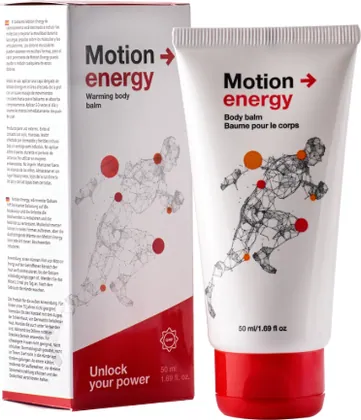
Warming feel. Motion Energy is a warming body balm that combines ginger extract with cinnamon oil, rosemary oil and eucalyptus oil. The warmth is a sensation on the skin that many people find comforting on cold, stiff mornings or before moving.
Cooling alternative. If you prefer a cooling sensation after exercise, see camphor and the Congelum gel. Our comparison page explains how to choose.
A practical note: the oral-ginger studies above do not test balms, so we treat a ginger balm as a warm, comforting massage product rather than as a delivery system for those results.
How to spot ginger on a label
On supplement and food labels, look for ginger root, ginger rhizome or Zingiber officinale, followed by the form and amount (powder, extract, or an extract standardized to a percentage of gingerols). On cosmetic and topical labels, the INCI name is usually Zingiber officinale root extract or Zingiber officinale (ginger) root oil.
Ingredient lists run from the highest amount to the lowest. Supplement labels list amounts per serving, so you can compare doses with those used in studies, which commonly ranged from about 1 to 3 grams of ginger a day. Do not confuse ginger with wild ginger (Asarum) or with galangal, which are different plants.
Ginger safety, side effects and interactions
As a food, ginger is considered safe for most people. As a supplement taken by mouth, the most common side effects are mild: heartburn, gas, stomach upset and a spicy aftertaste.
- Blood thinners. Ginger may affect how blood clots. If you take warfarin or other anticoagulants or antiplatelet drugs, ask a clinician before using ginger supplements.
- Diabetes and blood-pressure medicines. Large doses might add to the effect of these medicines.
- Gallstones, surgery and pregnancy. Talk to a clinician before taking ginger supplements if you have gallstones, an upcoming procedure, or are pregnant or nursing.
- Topical use. Ginger-based balms can cause warmth or irritation. Use on intact skin only, avoid eyes, wash your hands after use and patch test if you have sensitive skin. Do not apply under tight wraps or heating pads.
- Keep away from children, and do not swallow topical products.
Supplements are not a substitute for medical care, and this page is general information, not advice for your situation.
Which products we review contain ginger?
Among the products we review, Motion Energy is the one that contains ginger extract. It is a warming topical balm, not a dietary supplement, and it pairs the ginger with cinnamon, rosemary and eucalyptus oils. To learn about its companions, read our guides to rosemary oil and eucalyptus oil.
This guide is general information, not medical advice. Ask your doctor or pharmacist before starting a new supplement, especially if you take medication, are pregnant or nursing.
Sources
- Wikipedia — Ginger
- NCCIH — Ginger
- NCCIH — Aromatherapy (essential oil safety)
- Altman R.D., Marcussen K.C. Effects of a ginger extract on knee pain in patients with osteoarthritis. Arthritis Rheum
- Bartels E.M. et al. Efficacy and safety of ginger in osteoarthritis patients: a meta-analysis. Osteoarthritis Cartilage
- Black C.D. et al. Ginger reduces muscle pain caused by eccentric exercise. J Pain
- Viljoen E. et al. Ginger for nausea and vomiting in pregnancy: a systematic review. Nutr J