Buyer’s guide
How Supplements Are Regulated in the U.S. and What Third-Party Testing Means
By the VitaUSA360 Editorial Team
The short answer
Yes, the FDA regulates dietary supplements, but under a different set of rules than medicines. Under the Dietary Supplement Health and Education Act (DSHEA), the FDA does not approve supplements before sale; it oversees safety, manufacturing practices and labeling after products reach the market. Third-party testing from groups such as USP or NSF is voluntary and checks that a product contains what its label says.
Are supplements regulated by the FDA?
Dietary supplements are regulated by the FDA as a category of food, not as drugs. The FDA’s dietary supplements page explains that the agency oversees manufacturing, labeling and marketing, but the FDA does not approve supplements before sale. Manufacturers are responsible for making sure their products are safe and that their label claims are truthful.
That is a different model from prescription medicines, which must go through premarket review. It is the reason you see the phrase “dietary supplement” on the front of the pack, and the reason a Supplement Facts panel replaces the Drug Facts panel you find on over-the-counter medicine.
What is DSHEA and why does it matter?
The Dietary Supplement Health and Education Act (DSHEA) is the federal law that created today’s supplement framework. It defines a dietary supplement as a product taken by mouth that contains a “dietary ingredient” such as a vitamin, mineral, herb or botanical, amino acid or concentrate, and it sets out what the FDA may and may not do.
Under DSHEA, the manufacturer decides that a product is safe, and the FDA can act when a product is found to be unsafe or mislabeled. If a product contains a new dietary ingredient that was not sold before the law took effect, the manufacturer must notify the FDA before marketing it through a process called a New Dietary Ingredient (NDI) notification.
What are cGMP rules for supplements?
Current Good Manufacturing Practice (cGMP) rules for supplements are written in Title 21, Part 111 of the Code of Federal Regulations. They require manufacturers to control the whole process: verify the identity of ingredients, document each batch, keep clean and organized facilities, test finished products against specifications, and handle complaints and recalls.
The FDA enforces these rules by inspecting facilities. The agency can issue warning letters, request recalls and take legal action if a facility fails to follow them. In short, the FDA looks at how the product is made, not at whether it works, before the product reaches your shelf.
The FDA also runs a system for adverse event reports. Manufacturers and distributors of supplements are required by law to forward serious adverse event reports to the FDA, and consumers can file them as well. This is part of the after-market monitoring that DSHEA created in place of premarket approval.

What can supplement labels claim?
Supplements may carry structure/function claims, which describe how a nutrient supports the normal structure or function of the body, such as “supports joint comfort” or “helps maintain eye health.” They may not claim to diagnose, treat or prevent a disease. When a structure/function claim appears, the label must also carry a standard statement that the FDA has not evaluated the claim and that the product is not intended to address any disease.
Labels must also include the Supplement Facts panel, the name and place of business of the manufacturer or distributor, and a list of other ingredients. Our guide to reading a Supplement Facts label walks through each part.
What does the FTC do about supplement advertising?
The Federal Trade Commission (FTC) handles advertising, while the FDA handles labels. The FTC’s health products compliance guidance says that health claims must be truthful, not misleading and backed by competent and reliable scientific evidence. That covers websites, social media posts, paid endorsements and testimonials.
In practice, this is why you will see careful wording such as “may support” on legitimate sites and why affiliate sites, including this one, add a disclosure that they may earn a commission. If an ad promises an overnight result or presents a product as a stand-in for prescribed care, it is worth a second look.
For readers, the practical advice is to treat the FDA and FTC as two different checkpoints. One looks at what is on the package; the other looks at what is said around it. If a product’s claims on a website go further than the label, that is worth noticing.
What does third-party testing actually mean?
Third-party testing means an independent organization has evaluated a product, usually at the manufacturer’s request and expense. This is voluntary and separate from FDA oversight. Two names appear most often on U.S. labels. USP (the United States Pharmacopeial Convention) offers a verification mark for products that pass checks for identity, strength, purity and proper manufacturing. NSF International offers certification programs, including one aimed at athletes that screens for substances banned in sport.
A mark tells you the product was checked against the label and for certain contaminants. It does not mean the product has been shown to work for a given purpose, and it does not mean the FDA has approved it. Not every good product carries a mark, because the programs cost money to join, so the absence of one is not a warning sign by itself.
Third-party programs usually involve three steps: an audit of the manufacturing facility, a review of the product’s formula and label, and laboratory testing of samples. When you see a mark, look for the program’s own online directory and confirm that the specific product, not just the manufacturer, is listed. A mark on one product in a company’s lineup does not extend to all of them.

How do creams, gels and balms differ from capsules?
Topical products are regulated differently from capsules. A cream or serum sold for appearance, such as a face-and-neck cream, is generally a cosmetic and lists ingredients by their INCI names. A rub or gel with an active ingredient such as menthol or camphor may be an over-the-counter drug and carry a Drug Facts panel with a listed active ingredient, directions and warnings. Neither type is a dietary supplement.
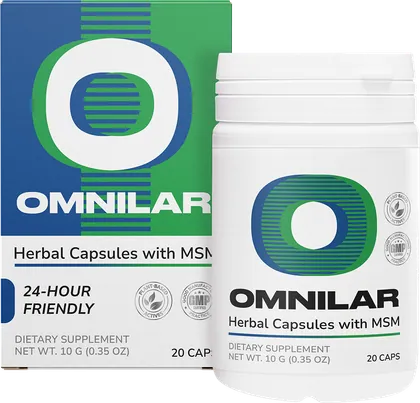
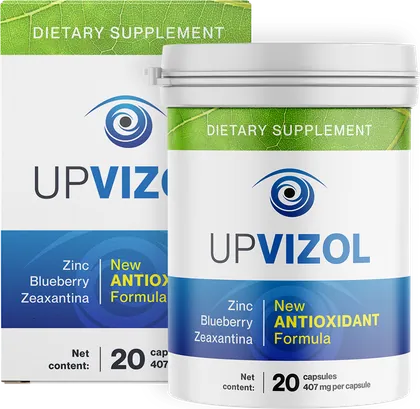
Capsules such as Omnilar capsules (with Devil’s Claw, Boswellia and MSM) and UpVizol capsules (with lutein and zinc) are sold as dietary supplements, so they use the Supplement Facts format. Check which panel a product carries, because it tells you which set of rules applies.
The same logic applies to creams and balms, such as the products in our Niapept face cream and Congelum cooling gel reviews: read the label for the type of panel and the warnings, and follow the directions for external use only.
How can you check a supplement and report a problem?
A short checklist helps:
- Read the whole label. Confirm the Supplement Facts panel, serving size, amounts and the other ingredients.
- Look for a verification mark. Search the USP or NSF online directory for the exact product name.
- Check the manufacturer’s contact details. A real company lists a street address and a customer line.
- Compare claims with the rules above. Disease-treatment promises are a red flag.
- Ask a pharmacist about interactions. See our guide on supplement and medication interactions.
If you have a bad reaction, stop using the product and tell your doctor. You can also report it to the FDA through MedWatch. Keep the package and lot number handy. Reports help the FDA spot patterns across products.
When should you talk to a doctor or pharmacist?
Talk to your doctor or pharmacist before starting any supplement if you are pregnant or nursing, take prescription medicine (especially blood thinners, diabetes or blood-pressure drugs), have a chronic condition, or are preparing for surgery. Seek medical attention right away for symptoms such as hives, swelling, trouble breathing, persistent vomiting or chest pain after taking a product.
A supplement is not intended to diagnose, prevent or treat any disease, and it does not take the place of medical care or a balanced diet.
General information only — not medical advice. Talk to your doctor or pharmacist about your situation.
Sources
More guides
- Prostate Supplements: What Is Inside and How to Choose One
- Nocturia in Men: Why You Wake Up to Urinate and What Helps
- Seven Foods Men Can Eat for Prostate Wellness
- Parasite Cleanse Explained: Herbal Formulas, Doctor Testing and Prevention
- How to Ease Bloating and Support Healthy Digestion
- Matcha or Coffee? A Side-by-Side Look at Your Morning Cup
- Green Tea, Matcha and Weight Management: A Practical Guide
- Making Matcha at Home: Step-by-Step for Every Style
- Joint Supplements Explained: Nine Ingredients and What Studies Say
- Glucosamine, Chondroitin, MSM and Boswellia: A Fair Comparison
- Why Are My Joints Stiff in the Morning, and What Can Help?
- Vitamin C for Collagen: How Your Body Builds It
- AREDS2 and Eye Vitamins: What the Research Studied, in Plain English
- Digital Eye Strain: Why Screens Tire Your Eyes and What Helps
- Cold or Heat for Sore Muscles: A Practical Guide
- Sore After a Workout? What Muscle Soreness Is and How to Ease It
- How Muscle Rubs Work: A Plain-English Guide to Topical Relief
- Peptides in Skin Care: What They Are and How They Are Used
- Skin Care After 50: What Changes and What to Look For
- How to Read a Supplement Facts Label in Five Minutes
- Supplements and Medications: Five Interactions Worth Checking
- Ordering Supplements Online: A Practical Buyer’s Checklist