Buyer’s guide
Vitamin C for Collagen: How Your Body Builds It
By the VitaUSA360 Editorial Team
The short answer
Your body needs vitamin C to build collagen: it is a cofactor for the enzymes (prolyl and lysyl hydroxylase) that stabilize the collagen molecule. Without enough of it, collagen cannot form properly, which is what happens in scurvy. Citrus, peppers, strawberries and kiwi are rich sources, and collagen peptide supplements are being studied for skin and joint comfort.
What is collagen and why does the body need it?
Collagen is the most abundant protein in the human body. It forms the framework of skin, tendons, ligaments, cartilage, bone and blood vessel walls. Its triple-helix structure, three protein chains twisted together, gives these tissues strength and flexibility. There are at least 28 types of collagen; type I is the main one in skin, tendon and bone, while type II is the main one in cartilage.
Your body makes collagen from amino acids, especially glycine, proline and lysine, and the process continues throughout life. Production slows gradually with age, which is one reason researchers study nutrients and ingredients that support it. A general overview is available on Wikipedia.
How does vitamin C help your body make collagen?
Vitamin C (ascorbic acid) is a required cofactor for two enzymes: prolyl hydroxylase and lysyl hydroxylase. These enzymes add hydroxyl groups to proline and lysine inside newly formed collagen chains. Those hydroxyl groups let the three chains lock into a stable triple helix. Without vitamin C, collagen is built but remains weak (see prolyl hydroxylase on Wikipedia).
The classic example is scurvy, a vitamin C deficiency in which gums bleed and wounds close slowly because collagen cannot form properly. The NIH Office of Dietary Supplements lists collagen formation first among vitamin C’s functions. For more about the nutrient, visit our vitamin C page.
How much vitamin C do adults need?
The Recommended Dietary Allowance is 90 mg a day for adult men and 75 mg a day for adult women, according to the NIH Office of Dietary Supplements. Smokers need an extra 35 mg a day, and the upper limit for adults is 2,000 mg a day. Amounts above that can cause digestive upset such as diarrhea and cramps.
Vitamin C is also an antioxidant, helping neutralize free radicals formed during normal metabolism and from sources such as sunlight and smoke. That role is separate from collagen formation, but it is part of why the vitamin shows up in so many skin and joint products. It also helps regenerate vitamin E in the body, which is why the two are often paired.
Vitamin C is water-soluble, so your body does not store large reserves, and a steady daily intake is useful. Most adults who eat fruit and vegetables regularly meet the RDA from food alone. A supplement is one way to fill gaps if your diet is limited.

Which foods are rich in vitamin C?
Fruits and vegetables supply most of the vitamin C in a typical diet. Good sources include:
- Red and green bell peppers: a half cup of raw red pepper provides well over the daily RDA.
- Oranges, grapefruit and their juices.
- Kiwi fruit and strawberries.
- Broccoli, Brussels sprouts and cabbage.
- Tomatoes and potatoes, which add useful amounts in everyday meals.
- Rose hips, a traditional source that is very high in the vitamin.
Cooking and long storage reduce vitamin C, so raw or lightly steamed produce keeps more. A fruit bowl on the counter or a pepper in a salad makes it easy to add.
Pairing vitamin C foods with iron-rich plant foods, such as spinach or lentils, is a simple trick, because vitamin C improves the absorption of non-heme iron. Collagen itself is found in animal connective tissue: bone broth, skin-on poultry and fish with edible bones. Plant foods do not contain collagen, but they provide the vitamin C, zinc and copper your body uses to make its own.
Do collagen supplements work for skin and joints?
Collagen supplements are usually hydrolyzed collagen, or collagen peptides: collagen broken into short fragments that are easier to digest. Studies suggest that some of these fragments reach the bloodstream and may signal skin and cartilage cells. A number of small randomized trials have reported improvements in skin hydration and elasticity, and some have looked at joint comfort in active adults, though the research is still developing and larger studies continue.
Researchers are still working out which peptide sizes suit which tissue and how long any benefit lasts, so it is fair to describe the field as promising and growing. Because collagen peptides are a protein, your body digests them into amino acids like any other protein. Vitamin C remains important either way, since the body needs it to assemble the collagen it builds. Read more about hydrolyzed collagen on Wikipedia. Dosing in studies has usually been in the range of 2.5 to 15 grams of peptides a day, mixed into water, coffee or smoothies, over eight to twelve weeks or longer. Product types vary by source (bovine, marine or poultry) and by peptide size, so labels are worth reading. For the joint side of the story, see our joint supplements guide.

Does vitamin C in skin care do anything?
Topical vitamin C, usually L-ascorbic acid in a serum, is one of the most studied cosmetic antioxidants. Dermatology research describes it as an ingredient that helps protect the skin’s surface from environmental stress and supports a brighter, more even look. Formulas are sensitive to light and air, so they usually come in dark or airtight packaging. Concentrations in studied serums are often in the range of 10 to 20 percent, and people with sensitive skin sometimes start with a lower strength and apply it every other day to see how their skin responds. Patch-testing a new product on the inside of the forearm first is a sensible habit.
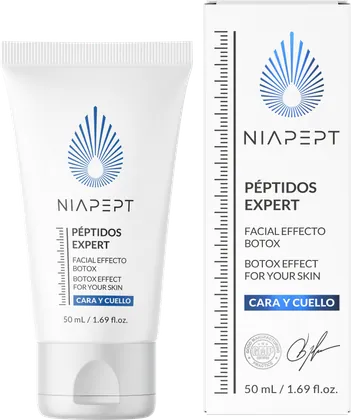
Daily sunscreen is the single most protective step for the collagen already in your skin, because ultraviolet light breaks it down over time; the American Academy of Dermatology offers guidance on sun protection. Skin care ingredients work on the surface, while nutrients you eat reach the skin from the inside, so the two are complements rather than substitutes. If you want to explore a cosmetic option with niacinamide, hyaluronic acid and peptides, Niapept face and neck cream is a topical product designed for everyday facial care. It is not a supplement. You can also read about niacinamide and peptides for skin.
Is there a vitamin C and collagen link in joint formulas?
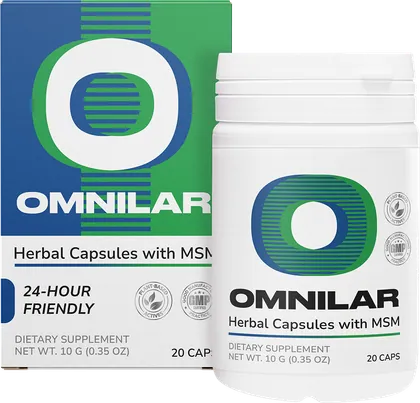
Yes, it is a logical pairing. Cartilage, tendons and ligaments are all collagen-rich tissues, so vitamin C is a common addition to joint-support supplements. Omnilar herbal capsules include vitamin C (as L-ascorbic acid) alongside MSM, boswellia, Devil’s Claw, Drynaria and tamarind, with the amounts printed on the Supplement Facts panel.
Joint tissue also gets steady attention from nutrition research because cartilage and tendon turn over slowly and rely on a good supply of building blocks. The label tells you how much vitamin C each serving provides compared with the daily value. Add it to what you get from food and any multivitamin so you stay under the upper limit of 2,000 mg a day. Zinc and copper, found in nuts, seeds, shellfish and whole grains, also take part in building connective tissue, which is another reason a varied diet is a strong foundation for any collagen-focused plan.
When should I talk to a doctor about collagen or vitamin C?
Talk to a doctor or registered dietitian before taking high-dose vitamin C if you have a history of kidney stones or iron overload (hemochromatosis), because vitamin C increases iron absorption and can raise urinary oxalate. People undergoing cancer treatment should ask their care team before taking antioxidant supplements. Vitamin C can also affect some lab tests, so mention supplements before blood work.
Keep a short list of everything you take, including multivitamins, so the total is easy to check. Collagen supplements are often made from bovine, marine or chicken sources, so check the label if you have fish or egg allergies. New skin changes, wounds that close slowly, easy bruising or joint swelling are worth a visit to a healthcare provider rather than self-care. Supplements are not intended to diagnose, treat or prevent any disease.
General information only — not medical advice. Talk to your doctor or pharmacist about your situation.
Sources
More guides
- Prostate Supplements: What Is Inside and How to Choose One
- Nocturia in Men: Why You Wake Up to Urinate and What Helps
- Seven Foods Men Can Eat for Prostate Wellness
- Parasite Cleanse Explained: Herbal Formulas, Doctor Testing and Prevention
- How to Ease Bloating and Support Healthy Digestion
- Matcha or Coffee? A Side-by-Side Look at Your Morning Cup
- Green Tea, Matcha and Weight Management: A Practical Guide
- Making Matcha at Home: Step-by-Step for Every Style
- Joint Supplements Explained: Nine Ingredients and What Studies Say
- Glucosamine, Chondroitin, MSM and Boswellia: A Fair Comparison
- Why Are My Joints Stiff in the Morning, and What Can Help?
- AREDS2 and Eye Vitamins: What the Research Studied, in Plain English
- Digital Eye Strain: Why Screens Tire Your Eyes and What Helps
- How Supplements Are Regulated in the U.S. and What Third-Party Testing Means
- Cold or Heat for Sore Muscles: A Practical Guide
- Sore After a Workout? What Muscle Soreness Is and How to Ease It
- How Muscle Rubs Work: A Plain-English Guide to Topical Relief
- Peptides in Skin Care: What They Are and How They Are Used
- Skin Care After 50: What Changes and What to Look For
- How to Read a Supplement Facts Label in Five Minutes
- Supplements and Medications: Five Interactions Worth Checking
- Ordering Supplements Online: A Practical Buyer’s Checklist