Buyer’s guide
How to Ease Bloating and Support Healthy Digestion
By the VitaUSA360 Editorial Team
The short answer
Most bloating comes from swallowed air and gas made when gut bacteria ferment food, so the best remedies are everyday ones: eat slowly, skip fizzy drinks, add fiber gradually with water, and walk after meals. Ginger, peppermint tea, turmeric and fermented foods are popular helpers, and a digestive supplement can round things out. Persistent or painful bloating deserves a doctor’s visit.
What causes bloating after eating?
Bloating is usually gas, and gas has two main sources. You swallow air while eating and drinking, and bacteria in the large intestine produce gas as they break down carbohydrates that the small intestine did not digest. The NIDDK describes both in detail.
Common triggers include:
- eating quickly, chewing gum, drinking through a straw;
- carbonated drinks;
- beans, onions, cabbage, some fruits and sugar alcohols such as sorbitol;
- dairy, if your body makes little lactase;
- large or very fatty meals, which empty from the stomach slowly;
- constipation.
How can I get rid of bloating fast?
For quick relief, get moving and give gas a way out. A 10- to 15-minute walk after a meal helps the gut move contents along.
- Loosen tight clothing and sit upright.
- Sip warm water or peppermint or ginger tea.
- Try gentle stretches such as knees-to-chest or a seated twist.
- A warm compress on the belly is soothing.
- Over-the-counter simethicone is an option many pharmacists suggest for gas pressure.
Then look at the next meal: smaller portions, eaten slowly, with fewer fizzy drinks. Putting your fork down between bites and chewing each mouthful well cuts the amount of air you swallow, and it gives your stomach time to signal that it is full.
Does fiber help or cause bloating?
Fiber does both, depending on how you add it. Over time, fiber keeps you regular and feeds beneficial gut bacteria. But a sudden jump in fiber can cause gas while your gut adjusts.
The answer is to go slowly. Add a few grams a week and drink more water as you do. The Dietary Guidelines suggest roughly 22 to 34 grams of fiber a day for adults, depending on age and sex, and most Americans eat much less. MedlinePlus lists good sources.
Oats, chia, berries, kiwi, cooked vegetables and lentils are good starting points. If beans cause gas, soak and rinse them well and start with small portions.

Are fermented foods good for gut health?
Fermented foods are a tasty way to support gut health. Yogurt and kefir with live cultures, sauerkraut, kimchi, miso, tempeh and kombucha all contain microbes or compounds formed during fermentation.
Probiotic supplements contain specific strains in measured amounts. The NCCIH explains that effects depend on the strain, so look for the full strain name on the label (for example Lactobacillus rhamnosus GG).
Start with a small serving a day. Some people notice a little extra gas for the first week, which usually settles.
Do ginger, peppermint and turmeric help with bloating?
These three kitchen botanicals are among the most popular natural helpers for digestive comfort.
- Ginger has been used for indigestion for centuries, and the NCCIH notes it has been studied for several types of nausea. Fresh ginger tea after a meal is an easy start.
- Peppermint tea relaxes after a heavy meal. Enteric-coated peppermint oil capsules have been studied for IBS symptoms in adults, according to the NCCIH. Peppermint can aggravate heartburn in some people.
- Turmeric has a long history of use for indigestion in Ayurvedic and Chinese traditions. Its golden compound curcumin is absorbed better with black pepper and fat. Ask a clinician first if you take blood thinners or have gallbladder problems.

What are the best gut health supplements to consider?
The right gut health supplement depends on what you want to support. The common categories are:
- Fiber supplements such as psyllium, for regularity.
- Probiotics, with named strains and a CFU count.
- Digestive enzymes such as lactase for dairy or alpha-galactosidase for beans.
- Botanical formulas that combine traditional digestive herbs.
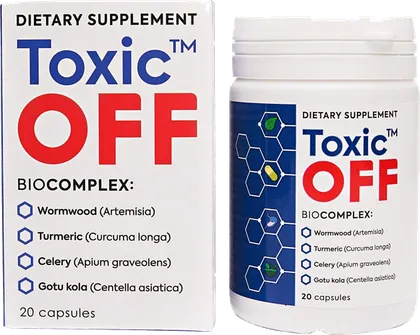
One botanical formula we review is Toxic OFF, a once-a-day capsule designed to support digestion and the body’s natural cleansing, with wormwood, turmeric, celery, gotu kola and amla. You can read more about the herbal approach in our article on the parasite cleanse trend. Start one product at a time so you can tell what helps.
Can a low-FODMAP diet help with bloating?
For some people, yes. FODMAPs are a group of fermentable carbohydrates (oligosaccharides, disaccharides, monosaccharides and polyols) that gut bacteria break down quickly, producing gas.
Common high-FODMAP foods include wheat, onions, garlic, beans, apples, pears, honey, milk and sugar-free sweeteners ending in “-ol.” A low-FODMAP plan removes these for a few weeks and then reintroduces them one at a time to find personal triggers.
The plan is detailed and fairly restrictive, so it works best with guidance from a registered dietitian. Many people find they only need to limit one or two food groups, not all of them. Keeping a simple food diary during the trial makes the reintroduction phase much easier.
When is bloating a sign to see a doctor?
See a doctor if bloating is frequent, lasts for weeks, or comes with other symptoms. These deserve prompt attention:
- unexplained weight loss or loss of appetite;
- blood in the stool or black, tarry stools;
- repeated vomiting, fever or severe pain;
- a lasting change in bowel habits, especially after age 50;
- trouble swallowing or feeling full after a few bites.
A food and symptom diary for a week or two helps your doctor spot patterns such as lactose intolerance. MedlinePlus has more on gas and bloating.
General information only — not medical advice. Talk to your doctor or pharmacist about your situation.
Sources
More guides
- Prostate Supplements: What Is Inside and How to Choose One
- Nocturia in Men: Why You Wake Up to Urinate and What Helps
- Seven Foods Men Can Eat for Prostate Wellness
- Parasite Cleanse Explained: Herbal Formulas, Doctor Testing and Prevention
- Matcha or Coffee? A Side-by-Side Look at Your Morning Cup
- Green Tea, Matcha and Weight Management: A Practical Guide
- Making Matcha at Home: Step-by-Step for Every Style
- Joint Supplements Explained: Nine Ingredients and What Studies Say
- Glucosamine, Chondroitin, MSM and Boswellia: A Fair Comparison
- Why Are My Joints Stiff in the Morning, and What Can Help?
- Vitamin C for Collagen: How Your Body Builds It
- AREDS2 and Eye Vitamins: What the Research Studied, in Plain English
- Digital Eye Strain: Why Screens Tire Your Eyes and What Helps
- How Supplements Are Regulated in the U.S. and What Third-Party Testing Means
- Cold or Heat for Sore Muscles: A Practical Guide
- Sore After a Workout? What Muscle Soreness Is and How to Ease It
- How Muscle Rubs Work: A Plain-English Guide to Topical Relief
- Peptides in Skin Care: What They Are and How They Are Used
- Skin Care After 50: What Changes and What to Look For
- How to Read a Supplement Facts Label in Five Minutes
- Supplements and Medications: Five Interactions Worth Checking
- Ordering Supplements Online: A Practical Buyer’s Checklist