Buyer’s guide
Parasite Cleanse Explained: Herbal Formulas, Doctor Testing and Prevention
By the VitaUSA360 Editorial Team
The short answer
A “parasite cleanse” usually means a short program of herbal capsules or tinctures built around traditional botanicals such as wormwood, black walnut hull, clove and turmeric, used to support digestion and the body’s natural cleansing. If you think you actually have an intestinal parasite, a doctor confirms it with a stool test and prescribes the right medicine. Good hygiene and food safety are the best everyday protection.
What is a parasite cleanse?
A parasite cleanse is a herbal formula, usually capsules, drops or tea, taken for a set number of days to support digestion and the body’s natural cleansing. The idea comes from traditional herbal practice, where bitter herbs were used to “tone” the digestive tract.
Today the term covers two different things. In wellness stores it means a botanical supplement program. In medicine, getting rid of a confirmed infection means a diagnosis and a prescription. Knowing the difference helps you choose the right path.
Herbal cleanse programs usually run for a defined period, often two to four weeks, with a fixed daily dose. Many people pair them with lighter eating: more vegetables, fiber and water, and less alcohol and ultra-processed food. That combination is a big part of why people say they feel lighter afterward.
Many people who search for a cleanse are really looking for lighter digestion and less bloating. For that goal, see also our bloating and digestion tips.
Which herbs are in a parasite cleanse?
Most herbal cleanse formulas draw on the same short list of traditional botanicals:
- Wormwood (Artemisia absinthium): a silver-leaved bitter herb whose name reflects its long traditional use in digestive and cleanse blends. More on our wormwood page.
- Black walnut hull (Juglans nigra): the green outer husk of the nut, rich in tannins and juglone.
- Clove (Syzygium aromaticum): the dried flower bud, valued for its aromatic oil, eugenol.
- Turmeric (Curcuma longa): the golden root used for digestion in Ayurvedic and Chinese traditions; see our turmeric guide.
Formulas often add supporting herbs such as celery seed, gotu kola, garlic, ginger or amla. The wormwood, black walnut and clove trio has been a staple of North American herbal cleanse programs for generations.
Each herb brings its own character. Wormwood and black walnut are intensely bitter, and bitter taste has long been linked in herbal tradition with stimulating digestive juices. Clove and turmeric add warming, aromatic notes that make the blend easier to take.

Is wormwood safe to take?
Wormwood is used in small amounts in finished products, and following the label directions matters. The plant contains thujone, a compound that becomes a concern in large amounts (see Wikipedia on wormwood).
- Avoid wormwood during pregnancy and breastfeeding.
- Avoid it if you have a seizure disorder.
- Do not use concentrated wormwood oil, and do not take more or for longer than a product’s directions say.
- People allergic to ragweed or other plants in the daisy family may react to it.
Other herbs have their own notes: black walnut is a tree nut, and turmeric is worth discussing with a clinician if you take blood thinners or have gallbladder problems.
How do I know if I have intestinal parasites?
Only a test can tell. Symptoms such as diarrhea, stomach cramps, gas, nausea or unexplained weight loss can come from many causes, so a doctor looks at your history first: recent travel, untreated water, undercooked food, pets or small children at home.
The usual test is an ova and parasite (O&P) test, which checks a stool sample under a microscope for parasites and their eggs. Because parasites are not shed every day, your doctor may ask for samples on different days. Newer antigen and DNA-based stool tests and blood tests are used for specific parasites. The CDC explains the main types of parasites in plain language.
How are intestinal parasites treated?
When a test confirms an infection, a doctor prescribes an antiparasitic medicine matched to the specific parasite. Different parasites need different medicines, which is why the test comes first.
Treatment is often short, sometimes a single dose or a few days, and the doctor may suggest testing household members or repeating the stool test afterward. MedlinePlus notes that some parasitic infections clear on their own while others need medicine, which is another reason to let a professional decide.
A herbal cleanse is a wellness product for everyday digestive comfort. If you have a confirmed or suspected infection, follow your doctor’s plan.

How can you prevent parasites with hygiene and food safety?
Everyday habits are the most effective protection. The CDC’s core advice comes down to a few steps:
- Wash your hands with soap and water for at least 20 seconds after using the bathroom, changing diapers, handling pets or soil, and before cooking or eating.
- Wash fruit and vegetables under running water, even ones you plan to peel.
- Cook meat and fish to safe internal temperatures, and freeze fish properly if you plan to eat it raw.
- Drink safe water when traveling, and avoid swallowing water from lakes, rivers and pools.
- Deworm pets on your vet’s schedule and clean litter boxes daily.
What should you look for in a parasite cleanse supplement?
Choose a formula with named herbs and simple, clear directions. Look for the botanical name and plant part of each herb, an amount per serving, a short course with a defined daily dose, and the usual Supplement Facts panel.
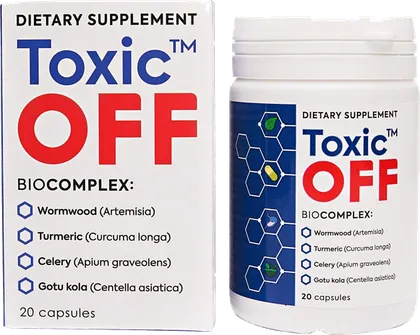
One botanical formula we review is Toxic OFF, a dietary supplement designed to support digestion and the body’s natural cleansing. Its biocomplex combines wormwood, turmeric, celery and gotu kola, with amla extract, in one capsule a day. It is a wellness formula for everyday digestive comfort, used alongside the hygiene habits above.
Pregnant or breastfeeding women, children and people taking prescription medicine should ask a clinician before starting any herbal cleanse.
General information only — not medical advice. Talk to your doctor or pharmacist about your situation.
Sources
More guides
- Prostate Supplements: What Is Inside and How to Choose One
- Nocturia in Men: Why You Wake Up to Urinate and What Helps
- Seven Foods Men Can Eat for Prostate Wellness
- How to Ease Bloating and Support Healthy Digestion
- Matcha or Coffee? A Side-by-Side Look at Your Morning Cup
- Green Tea, Matcha and Weight Management: A Practical Guide
- Making Matcha at Home: Step-by-Step for Every Style
- Joint Supplements Explained: Nine Ingredients and What Studies Say
- Glucosamine, Chondroitin, MSM and Boswellia: A Fair Comparison
- Why Are My Joints Stiff in the Morning, and What Can Help?
- Vitamin C for Collagen: How Your Body Builds It
- AREDS2 and Eye Vitamins: What the Research Studied, in Plain English
- Digital Eye Strain: Why Screens Tire Your Eyes and What Helps
- How Supplements Are Regulated in the U.S. and What Third-Party Testing Means
- Cold or Heat for Sore Muscles: A Practical Guide
- Sore After a Workout? What Muscle Soreness Is and How to Ease It
- How Muscle Rubs Work: A Plain-English Guide to Topical Relief
- Peptides in Skin Care: What They Are and How They Are Used
- Skin Care After 50: What Changes and What to Look For
- How to Read a Supplement Facts Label in Five Minutes
- Supplements and Medications: Five Interactions Worth Checking
- Ordering Supplements Online: A Practical Buyer’s Checklist