Buyer’s guide
Making Matcha at Home: Step-by-Step for Every Style
By the VitaUSA360 Editorial Team
The short answer
To make matcha, sift about 1 teaspoon (around 2 grams) of powder into a bowl, add a splash of hot water to make a paste, then pour in about 2 to 3 fl oz of water at 160 to 175°F and whisk in a quick zigzag until frothy. For a latte, top the whisked matcha with steamed milk; for iced matcha, shake it with cold water and pour over ice. Instant matcha drinks simply stir into hot water.
What do you need to make matcha?
You need matcha powder, hot water and something to whisk with. The traditional tools make it easier, but they are optional.
- Chawan: a wide tea bowl that gives the whisk room to move.
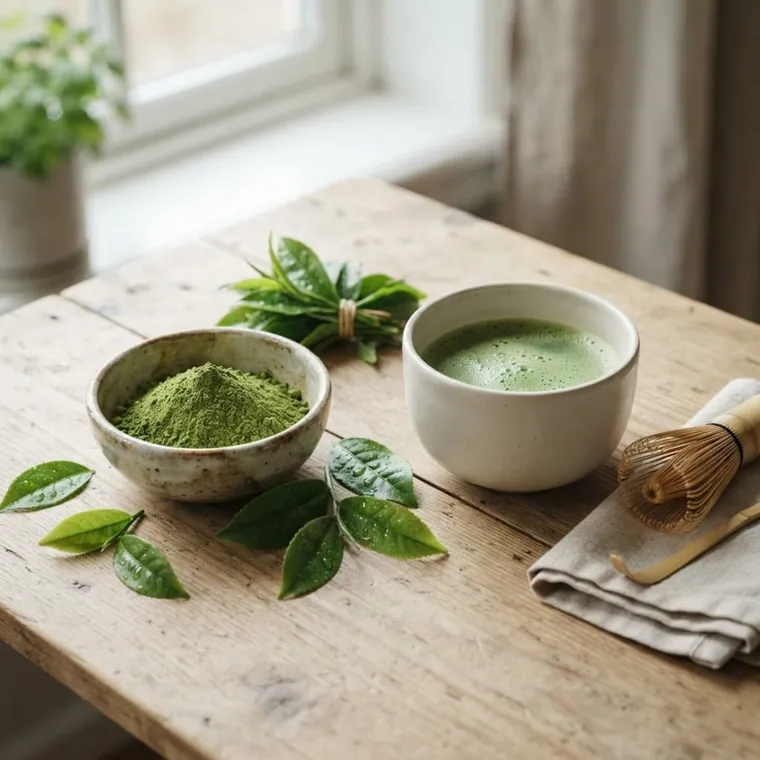
- Chasen: a bamboo whisk with many fine tines that creates the foam (see Wikipedia).
- Chashaku: a bamboo scoop; two scoops are roughly 1 teaspoon.
- Small sieve: breaks up clumps for a smooth cup.
No bamboo whisk? A small electric milk frother or a jar with a tight lid works well.
How do you make matcha the traditional way?
The traditional thin tea, called usucha, takes about two minutes.
- Warm the bowl with hot water, then pour it out and dry it.
- Sift about 1 teaspoon (around 2 grams) of matcha into the bowl.
- Make a paste with a tablespoon of hot water, whisking gently to remove lumps.
- Add water: pour in about 2 to 3 fl oz (60 to 90 ml) of water at 160 to 175°F.
- Whisk briskly from the wrist in an M or W zigzag for 15 to 30 seconds until a fine foam forms.
- Drink right away, while the foam is fresh.
There is also koicha, a thick tea made with about twice the powder and less water, gently kneaded rather than whisked. The Wikipedia article on matcha describes both styles.
What water temperature is best for matcha?
Use hot water, not boiling: about 160 to 175°F (70 to 80°C). Boiling water brings out bitterness and dulls the bright green color.
No thermometer? Bring the kettle to a boil and let it rest with the lid open for three to five minutes, or mix about four parts boiling water with one part cold water.
Soft, filtered water gives the cleanest flavor. Very hard tap water can make matcha taste flat.

How do you make a matcha latte?
A matcha latte is whisked matcha topped with warm milk, and it is the easiest way to enjoy matcha if you are new to its taste.
- Whisk 1 teaspoon of matcha with 2 fl oz of hot water until smooth.
- Heat 6 to 8 fl oz of milk. Dairy, oat and soy milk all froth well.
- Pour the milk over the matcha, holding back the foam, then spoon it on top.
- Sweeten to taste with honey or maple syrup, or leave it plain.
For a stronger latte, use 1½ teaspoons of matcha. Remember that more powder also means more caffeine; our matcha vs coffee guide explains the numbers.
How do you make iced matcha?
Iced matcha is the simplest version: you shake instead of whisk.
- Add 1 teaspoon of matcha and 4 fl oz of cold water to a jar or shaker bottle.
- Close the lid and shake hard for 20 to 30 seconds.
- Pour over a glass full of ice.
- Top with cold milk for an iced latte, or more cold water for a lighter drink.
A squeeze of lemon or a few mint leaves makes a refreshing summer variation.
How do you mix an instant matcha drink?
Instant matcha drinks are pre-mixed powders made to dissolve quickly, so you stir rather than whisk. Always follow the directions on the pack, since the serving size differs from plain matcha.
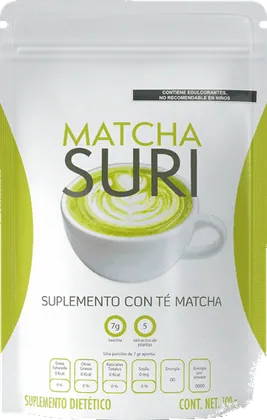
For example, Matcha Suri is an instant drink with matcha tea extract and spirulina. The directions are 1 teaspoon stirred into a glass of hot water (150 ml, about 5 fl oz), once a day. It is designed to support everyday energy and weight-management goals as part of a balanced diet and an active life. It contains sweeteners and is not intended for children.
Learn more about the leaf itself on our matcha ingredient page.
Ceremonial or culinary matcha: which grade should you buy?
Buy ceremonial-grade matcha for drinking straight with water, and culinary grade for lattes, smoothies and baking.
- Ceremonial grade is made from the youngest, most tender shade-grown leaves. It is vivid jade green, smooth and naturally sweet, with little bitterness.
- Culinary grade comes from later harvests. It is a little more olive in color and stronger, even slightly astringent, which stands up well to milk and sugar.
“Ceremonial” is a marketing term rather than a regulated standard, so judge by what you see and taste. Good matcha is bright green, very fine and silky between the fingers, and smells fresh and grassy. Look for the harvest region (Uji, Nishio and Kagoshima in Japan are well known) and a packing date on the tin.
How should you store matcha powder?
Keep matcha cool, dark and airtight. Light, heat, air and moisture fade its color and flavor quickly.
- Close the tin or pouch tightly after each use.
- Store an opened tin in the refrigerator, and let it reach room temperature before opening so moisture does not condense inside.
- Use opened matcha within a few weeks for the best color and taste.
- Always use a dry spoon.
Matcha contains caffeine, so enjoy it earlier in the day if you are sensitive. The FDA explains how much caffeine is a sensible daily amount for most adults.
General information only — not medical advice. Talk to your doctor or pharmacist about your situation.
Sources
More guides
- Prostate Supplements: What Is Inside and How to Choose One
- Nocturia in Men: Why You Wake Up to Urinate and What Helps
- Seven Foods Men Can Eat for Prostate Wellness
- Parasite Cleanse Explained: Herbal Formulas, Doctor Testing and Prevention
- How to Ease Bloating and Support Healthy Digestion
- Matcha or Coffee? A Side-by-Side Look at Your Morning Cup
- Green Tea, Matcha and Weight Management: A Practical Guide
- Joint Supplements Explained: Nine Ingredients and What Studies Say
- Glucosamine, Chondroitin, MSM and Boswellia: A Fair Comparison
- Why Are My Joints Stiff in the Morning, and What Can Help?
- Vitamin C for Collagen: How Your Body Builds It
- AREDS2 and Eye Vitamins: What the Research Studied, in Plain English
- Digital Eye Strain: Why Screens Tire Your Eyes and What Helps
- How Supplements Are Regulated in the U.S. and What Third-Party Testing Means
- Cold or Heat for Sore Muscles: A Practical Guide
- Sore After a Workout? What Muscle Soreness Is and How to Ease It
- How Muscle Rubs Work: A Plain-English Guide to Topical Relief
- Peptides in Skin Care: What They Are and How They Are Used
- Skin Care After 50: What Changes and What to Look For
- How to Read a Supplement Facts Label in Five Minutes
- Supplements and Medications: Five Interactions Worth Checking
- Ordering Supplements Online: A Practical Buyer’s Checklist