Buyer’s guide
Why Are My Joints Stiff in the Morning, and What Can Help?
By the VitaUSA360 Editorial Team
The short answer
Joints often feel stiff in the morning because they have been still for hours: joint fluid thickens a little, muscles cool down and tissues tighten. Gentle movement, warmth, hydration and a steady sleep schedule usually ease it within minutes. Stiffness that lasts longer than about 30 minutes, or comes with swelling, is a reason to see a doctor.
Why do my joints feel stiff when I wake up?
Your joints feel stiff in the morning mainly because you have not moved them for hours. Each joint is surrounded by a capsule that contains a small amount of lubricating synovial fluid. Movement spreads that fluid and warms the surrounding tissue. After a night of lying still, muscles and tendons tighten slightly, and the first steps can feel creaky.
For many adults this fades in a few minutes once they get up and move around. It is common, and it becomes more noticeable with age, in cold weather and after a very active or very idle day before. The NIAMS describes stiffness as one of the common sensations people notice in their joints.
Doctors use the word “stiffness” for the feeling that a joint does not move as freely as you would like, and it is different from pain. You might have one without the other. Paying attention to which joints are involved (hands, knees, hips, back) and how long the feeling lasts helps you describe it clearly later.
What everyday things make morning stiffness worse?
Several ordinary factors can add to it:
- Long periods of inactivity. A long drive, a long flight or a day at a desk can all tighten joints before bed.
- Cold rooms. Cooler tissues feel less flexible, which is why many people notice stiffness on chilly mornings.
- Age. Cartilage and connective tissue change over the decades, and recovery after activity can take a little longer.
- Sleeping position. Staying curled in one posture can leave hips, knees or neck stiff.
- A hard workout or a day of heavy chores. Muscles may be tight the next morning.
- Extra body weight. More load on hips and knees can add to how they feel after rest.
Noticing your own pattern, and when it eases, is useful information if you decide to talk to a doctor.
Hormone changes, thyroid conditions, certain medications and even dehydration can also affect how joints and muscles feel, which is one reason a persistent pattern is worth mentioning to a clinician rather than guessing. Many people also notice more stiffness after a day spent gardening, moving boxes or playing a long round of golf, and in that case the cause is usually clear and temporary.
Small fixes often help. A bedside lamp and a pair of slippers mean you do not step onto a cold floor. A programmable thermostat can warm the bedroom before you wake. Even keeping your hands under the covers on a cold night makes finger joints feel more flexible at first light.
On days when you wake up especially tight, resist the urge to stay still. Gentle movement is usually more comfortable than waiting for it to pass. Warm drinks, a slow breakfast and ten minutes of easy stretching make a pleasant start to the day, and they are small habits that cost almost nothing.

How can I loosen up stiff joints in the morning?
Start with gentle movement before you get out of bed. Here is a simple five-minute sequence:
- Lying on your back, pull one knee gently toward your chest, hold for a few breaths, then switch sides.
- Flex and point your feet ten times, then draw slow circles with each ankle.
- Open and close your hands, then make slow wrist circles.
- Sit on the edge of the bed and roll your shoulders back several times.
- Stand up, take a few slow steps, and add a gentle lunge or calf stretch if it feels comfortable.
Keep movements slow and within a comfortable range. Stretching should feel like mild tension, not sharp pain. Gentle yoga flows, tai chi and water exercise are other low-impact options many adults enjoy, and a few minutes of light stretching in the evening can reduce how tight you feel the next day. A short walk outside after breakfast keeps the benefit going; regular physical activity is widely recommended for joints at every age.
Does a warm shower help stiff joints?
Yes, warmth is one of the most commonly suggested comforts for stiffness. Heat relaxes muscles and increases blood flow to the area, which is why a warm shower or bath often makes stretching easier. Many people also place a warm towel or heating pad on a stiff shoulder, neck or lower back for about 15 to 20 minutes, with a cloth between the pad and the skin.
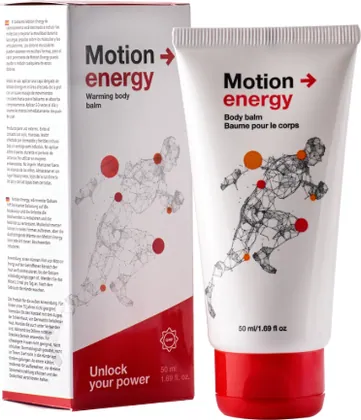
If you like a warming sensation on the skin, a topical balm can be part of the plan. Motion Energy warming balm is an external product made with rosemary, eucalyptus, cinnamon and ginger. It is a topical product, not a supplement, and it is meant for intact skin only. Follow the directions on the package and avoid broken skin, eyes and mucous membranes.
Can hydration, weight and sleep make a difference?
They can all play a supporting role.
Hydration. Cartilage is largely water, and staying well hydrated supports normal tissue function. A glass of water with breakfast is an easy habit to add.
Weight. Researchers estimate that each pound of body weight adds several pounds of load to the knee with every step, so even modest weight loss can reduce the strain. The NIAMS lists a moderate weight and regular activity among the main self-care steps.
Sleep. A consistent schedule and a supportive mattress and pillow help you avoid waking in an awkward position. A pillow between the knees can be comfortable for side sleepers.
Pace yourself. Spread chores and exercise across the week rather than packing them into one afternoon. Sudden spikes in activity are a frequent reason muscles feel tight the next morning, while steady, moderate activity keeps tissues conditioned.
Posture. Alternating sitting and standing, and getting up every 30 to 45 minutes at a desk, keeps hips and lower back from locking up before bedtime.

Do natural joint supplements help with stiffness?
Some people add a joint formula to their daily habits alongside movement and good sleep. Ingredients such as MSM, boswellia and Devil’s Claw have been studied in small trials in people with knee or low back discomfort, and vitamin C supports normal collagen formation. Research is still developing, and results differ from person to person.
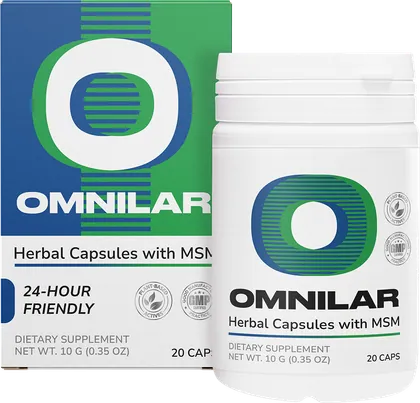
If you are curious, Omnilar herbal capsules combine MSM, boswellia, Devil’s Claw and vitamin C in one jar, and you can read about each on our pages for MSM, boswellia and Devil’s Claw. For a broader overview, see our joint supplements guide. Supplements are not intended to diagnose, treat or prevent any disease, and they fit naturally as one part of a wider plan. If you take blood thinners or diabetes medication, ask your pharmacist about Devil’s Claw first.
How long should morning stiffness last before I see a doctor?
Stiffness that eases within a few minutes after you start moving is usually just that: stiffness. Stiffness that lasts longer than about 30 minutes, returns every day for several weeks, or comes with swelling, warmth or redness in a joint is a reason to see a doctor. The NIAMS explains that long-lasting morning stiffness is one of the features clinicians ask about when evaluating inflammatory types of arthritis, and the Arthritis Foundation lists prolonged morning stiffness and swelling among signs worth discussing with a provider.
Also seek care promptly if stiffness follows an injury, if you have a fever with joint pain, or if a joint suddenly cannot bear weight. Bring notes on when it started, how long it lasts and what helps. A doctor may ask which joints are affected, whether both sides of the body are involved, and whether you have had fever, fatigue or weight changes. Simple blood tests and imaging are sometimes used. None of this means something is wrong; it is how clinicians separate everyday stiffness from conditions that need treatment. Early advice from a healthcare provider can make a real difference to how you manage symptoms.
General information only — not medical advice. Talk to your doctor or pharmacist about your situation.
Sources
More guides
- Prostate Supplements: What Is Inside and How to Choose One
- Nocturia in Men: Why You Wake Up to Urinate and What Helps
- Seven Foods Men Can Eat for Prostate Wellness
- Parasite Cleanse Explained: Herbal Formulas, Doctor Testing and Prevention
- How to Ease Bloating and Support Healthy Digestion
- Matcha or Coffee? A Side-by-Side Look at Your Morning Cup
- Green Tea, Matcha and Weight Management: A Practical Guide
- Making Matcha at Home: Step-by-Step for Every Style
- Joint Supplements Explained: Nine Ingredients and What Studies Say
- Glucosamine, Chondroitin, MSM and Boswellia: A Fair Comparison
- Vitamin C for Collagen: How Your Body Builds It
- AREDS2 and Eye Vitamins: What the Research Studied, in Plain English
- Digital Eye Strain: Why Screens Tire Your Eyes and What Helps
- How Supplements Are Regulated in the U.S. and What Third-Party Testing Means
- Cold or Heat for Sore Muscles: A Practical Guide
- Sore After a Workout? What Muscle Soreness Is and How to Ease It
- How Muscle Rubs Work: A Plain-English Guide to Topical Relief
- Peptides in Skin Care: What They Are and How They Are Used
- Skin Care After 50: What Changes and What to Look For
- How to Read a Supplement Facts Label in Five Minutes
- Supplements and Medications: Five Interactions Worth Checking
- Ordering Supplements Online: A Practical Buyer’s Checklist