Buyer’s guide
Matcha or Coffee? A Side-by-Side Look at Your Morning Cup
By the VitaUSA360 Editorial Team
The short answer
A typical cup of matcha made with 1 to 2 grams of powder has noticeably less caffeine than a large mug of brewed coffee, and it also contains L-theanine, an amino acid associated with calm focus. Coffee gives a bigger, faster lift and a roasted taste; matcha gives a smoother, steadier feel and a grassy, savory flavor. Many people drink coffee in the morning and matcha in the afternoon.
How much caffeine is in matcha?
A typical serving of matcha, about ½ to 1 teaspoon (1 to 2 grams) of powder, often contains roughly 30 to 70 mg of caffeine. The exact amount depends on the grade and how much powder you use.
Here is where that estimate comes from. Tea leaves are about 3% caffeine by dry weight (see Wikipedia on tea), and the shading used to grow matcha raises caffeine levels (see Wikipedia on matcha). Because you drink the whole powdered leaf rather than an infusion, a cup of matcha usually has more caffeine than regular brewed green tea.
Flavored or instant matcha drinks vary more, because they mix matcha with other ingredients. Check the package for the serving size.
Does matcha have more caffeine than coffee?
No, cup for cup, matcha usually has less caffeine than coffee. The FDA lists 113 to 247 mg of caffeine in a 12-ounce cup of regular brewed coffee and about 37 mg in 12 ounces of brewed green tea.
Matcha falls between them. A double-strength matcha latte can approach a small coffee, while a light cup is closer to strong green tea.
For most healthy adults, the FDA cites 400 mg of caffeine a day as an amount not generally associated with negative effects. Count every source: coffee, tea, matcha, soda and chocolate.
Why does matcha feel different from coffee?
Matcha contains L-theanine, an amino acid that is especially plentiful in shade-grown tea. Many people describe the result as “calm alertness” rather than a jolt.
Research supports the idea that the pair works together. In a study by Owen et al., a combination of L-theanine and caffeine improved performance on attention tasks and reduced reported tiredness compared with placebo (PubMed). See also Wikipedia on theanine.
Matcha also brings catechins such as EGCG, the polyphenols green tea is known for. Our matcha ingredient page covers them in more detail.

Matcha vs coffee: how do taste and preparation compare?
They are very different drinks in the cup.
- Taste: coffee is roasted, bitter and sometimes fruity; matcha is grassy, savory (umami) and lightly sweet when made well.
- Texture: matcha is a suspension of fine powder, so it is creamy and slightly frothy; brewed coffee is clear.
- Preparation: coffee needs a brewer or espresso machine; matcha needs a bowl and a whisk, or just a shaker bottle.
- Milk: both take milk well, and a matcha latte is the gentlest way to start.
Our step-by-step guide on how to make matcha covers the whisk method, lattes and iced versions.
Is matcha better for you than coffee?
Both can be part of a healthy diet; they simply offer different things. Coffee is rich in chlorogenic acids and is one of the biggest sources of polyphenols in the American diet. Matcha offers catechins, L-theanine and the fiber and chlorophyll of the whole leaf.
The bigger differences are in how you take them. A plain cup of either is very low in calories. Large sweetened café drinks, whether coffee or matcha, can carry a lot of sugar, so the add-ins matter more than the base.

Who should choose matcha and who should choose coffee?
Choose by how you want to feel and when you drink it.
- Matcha suits people who find coffee too jittery, want a lighter afternoon drink, enjoy savory green flavors, or like the ritual of whisking.
- Coffee suits people who want a strong, fast lift in the morning and love its roasted taste.
- Both work well for many people: coffee at breakfast, matcha after lunch.
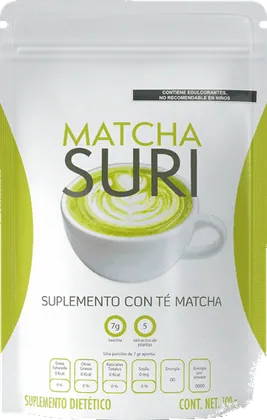
If you like convenience, an instant matcha drink is the simplest option. Matcha Suri is an instant powder with matcha tea extract and spirulina, designed to support everyday energy: you stir 1 teaspoon into a glass (150 ml, about 5 fl oz) of hot water once a day. It contains sweeteners and is not intended for children.
How do you switch from coffee to matcha?
Switch gradually. Going from several mugs of coffee to one cup of matcha overnight can leave you with a caffeine-withdrawal headache for a few days.
- Start with one swap: replace your afternoon coffee with matcha first and keep your morning cup.
- Begin with a latte: milk softens matcha’s grassy notes while your taste adjusts.
- Use good powder: fresh, bright-green matcha tastes sweeter and less bitter than dull, yellowish powder.
- Mind the water: hot but not boiling water keeps bitterness down.
- Track how you feel: after a week or two, decide whether to swap the morning cup too.
Many people end up enjoying both, choosing by mood and time of day.
Who should limit caffeine from matcha or coffee?
Caffeine is caffeine, whatever the cup. Talk to your doctor about your intake if you are pregnant or breastfeeding, have a heart rhythm problem, high blood pressure, anxiety or reflux, or take medicines that interact with stimulants.
Cut off caffeine in the early afternoon if it affects your sleep. MedlinePlus has a simple overview of caffeine and its effects.
General information only — not medical advice. Talk to your doctor or pharmacist about your situation.
Sources
More guides
- Prostate Supplements: What Is Inside and How to Choose One
- Nocturia in Men: Why You Wake Up to Urinate and What Helps
- Seven Foods Men Can Eat for Prostate Wellness
- Parasite Cleanse Explained: Herbal Formulas, Doctor Testing and Prevention
- How to Ease Bloating and Support Healthy Digestion
- Green Tea, Matcha and Weight Management: A Practical Guide
- Making Matcha at Home: Step-by-Step for Every Style
- Joint Supplements Explained: Nine Ingredients and What Studies Say
- Glucosamine, Chondroitin, MSM and Boswellia: A Fair Comparison
- Why Are My Joints Stiff in the Morning, and What Can Help?
- Vitamin C for Collagen: How Your Body Builds It
- AREDS2 and Eye Vitamins: What the Research Studied, in Plain English
- Digital Eye Strain: Why Screens Tire Your Eyes and What Helps
- How Supplements Are Regulated in the U.S. and What Third-Party Testing Means
- Cold or Heat for Sore Muscles: A Practical Guide
- Sore After a Workout? What Muscle Soreness Is and How to Ease It
- How Muscle Rubs Work: A Plain-English Guide to Topical Relief
- Peptides in Skin Care: What They Are and How They Are Used
- Skin Care After 50: What Changes and What to Look For
- How to Read a Supplement Facts Label in Five Minutes
- Supplements and Medications: Five Interactions Worth Checking
- Ordering Supplements Online: A Practical Buyer’s Checklist