Buyer’s guide
Joint Supplements Explained: Nine Ingredients and What Studies Say
By the VitaUSA360 Editorial Team
The short answer
Most joint supplements are built from a short list of ingredients: glucosamine, chondroitin, MSM, boswellia, Devil’s Claw, turmeric, omega-3 fatty acids, vitamin C and collagen. Research on each one is at a different stage, and results vary from person to person. A good label names every ingredient, its plant part or form, and the amount per serving, so you can compare products fairly.
What are the most common supplements for joint health?
The shelf is crowded, but the same nine names appear again and again: glucosamine, chondroitin, MSM, boswellia, Devil’s Claw, turmeric, omega-3, vitamin C and collagen. Some are building blocks that your body also makes. Others are plant extracts with a long history of traditional use.
Joints are complex. Cartilage cushions the ends of bones, a thin membrane produces lubricating fluid, and surrounding muscles and tendons share the load. Because of that, no single ingredient is a “magic key”, and many formulas combine several. The sections below take them one at a time, using the language of the research: what has been studied, in whom, and what remains open.
Do glucosamine and chondroitin help joints?
Glucosamine and chondroitin are natural components of cartilage, and they are the most widely studied pair in the category. The largest U.S. study, the NIH-funded Glucosamine/chondroitin Arthritis Intervention Trial (GAIT), followed more than 1,500 people with knee osteoarthritis. Across the whole group, the supplements did not outperform placebo on pain. In a smaller subgroup with moderate-to-severe knee pain, the combination was associated with more relief than placebo (Clegg et al., NEJM, on PubMed).
The NCCIH page on chondroitin describes similarly mixed findings and notes that both ingredients are generally well tolerated. People with shellfish allergy should check the label, since most glucosamine comes from shellfish shells. For a deeper side-by-side look, see our guide to glucosamine and chondroitin compared with MSM and boswellia.
What is MSM and why is it in joint formulas?
MSM (methylsulfonylmethane) is an organic sulfur compound found in small amounts in foods such as milk, vegetables and fruit. Sulfur is part of the amino acids methionine and cysteine, which your body uses to build connective tissue. That is the reasoning behind its place in joint supplements.
Small randomized studies in people with knee discomfort have used doses of roughly 1.5 to 6 grams a day, with some reporting improvements in comfort and physical function. Larger trials are still needed, and researchers say so openly. MSM is also water-soluble, odorless in capsule form and usually tolerated well, with mild stomach upset the most common comment in studies. Read more on our MSM ingredient page, or see the background on Wikipedia.

What do boswellia and Devil’s Claw do?
Boswellia serrata, sometimes called Indian frankincense, is a resin from a tree native to India. Its active compounds are boswellic acids. Several small randomized studies in people with knee osteoarthritis have reported improvements in comfort and mobility, and the NCCIH overview of boswellia summarizes the research. Our boswellia page goes into extracts and standardization.
Devil’s Claw (Harpagophytum procumbens) is the dried secondary root of a plant from southern Africa. Its main compounds are iridoid glycosides such as harpagoside. It has been studied in people with low back and knee or hip discomfort, and it is one of the better-studied herbs in joint products. It can interact with some medications, including blood thinners, so our Devil’s Claw page lists the cautions.
Is turmeric good for joints?
Turmeric is the yellow root used in curry, and its most familiar compound is curcumin. Several small trials in people with knee osteoarthritis have compared curcumin extracts with placebo and reported improvements in comfort. The NCCIH page on turmeric explains that the research is promising but that study quality varies.
One practical point: plain turmeric powder contains only a few percent curcumin, and curcumin is poorly absorbed. That is why supplement labels often say “standardized to 95% curcuminoids” or mention black pepper extract. When you compare products, look at the curcuminoid amount, not just the word “turmeric”. Background reading is on Wikipedia.
What about omega-3, vitamin C and collagen?
Omega-3 fatty acids (EPA and DHA) come from fatty fish such as salmon, sardines and mackerel, and from fish oil capsules. They are studied mostly for heart health, and some research looks at joint comfort in people with inflammatory arthritis. High doses can affect clotting, so mention fish oil to your doctor if you take a blood thinner.
Vitamin C matters to joints because your body needs it to build collagen, the main protein in cartilage, tendons and ligaments. The adult RDA is 90 mg for men and 75 mg for women, according to the NIH Office of Dietary Supplements. We explain the chemistry in vitamin C and collagen.
Collagen supplements are protein fragments (peptides) taken by mouth. Early studies suggest they may support joint comfort in active adults, and research is still developing.
Whole foods deliver many of these nutrients too. Bone broth, fish with edible bones, citrus, peppers and nuts each bring something to the table, and a varied diet is a good base before you add anything else. Supplements can fill gaps, but they sit on top of food, not instead of it.

How do I read a joint supplement label?
Start with the Supplement Facts panel and check these five things:
- Every ingredient is named, with the plant part or form (for example “Boswellia serrata resin extract”, “L-ascorbic acid”).
- An amount per serving is listed for each ingredient. A “proprietary blend” shows only a combined weight.
- Serving size matches the package count, so you know how many days a jar lasts.
- Other ingredients (capsule shell, fillers) fit your diet and allergies.
- The FDA statement appears after any structure/function wording, which is normal and required.
- Plant part and standardization are given for botanicals, such as “root extract” or “standardized to boswellic acids”. Vague wording like “herbal blend” tells you less.
A short list of named ingredients with amounts is easier to evaluate than a long list of trace extras. When two labels look similar, compare the amount of each ingredient per serving, not the number of ingredients.
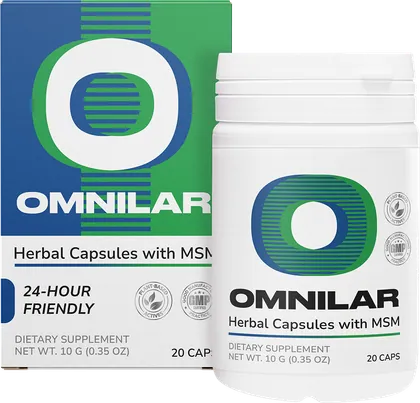
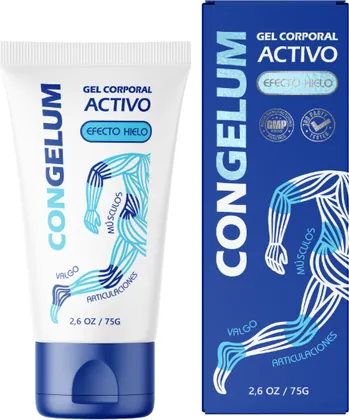
Our full walkthrough is in How to Read a Supplement Facts Label. As an example of a formula that names its ingredients, Omnilar herbal capsules list MSM, Devil’s Claw, boswellia resin extract and vitamin C, along with Drynaria and tamarind pulp, and print the amounts on the jar. If you prefer a topical for a specific spot, Congelum cooling gel is an external product, not a supplement.
What everyday habits support joints alongside supplements?
Supplements are a small piece of the picture. The habits below have broad support from the NIAMS and other U.S. health agencies:
- Keep moving. Walking, swimming, cycling and gentle strength work keep the muscles around a joint strong. A walk beside a stream or around the block counts.
- Watch your weight. Every extra pound adds load to the knees with each step.
- Warm up. Five minutes of easy movement before activity makes the first steps more comfortable.
- Eat colorful food. Fish, berries, leafy greens, nuts and olive oil are common in dietary patterns studied for joint comfort.
- Sleep well. Rest gives tissues time to recover.
- Add one thing at a time. If you try a supplement, start it alone so you can tell how you feel.
- Choose supportive shoes. Cushioned, well-fitting footwear takes some of the impact out of every step on pavement.
- Mix up your activity. Alternating walking with swimming or cycling gives joints a change of load.
Small, repeatable habits beat dramatic changes. A ten-minute walk after dinner, done most days, adds up to hours of movement over a month.
When should I talk to a doctor about joint pain?
Talk to a doctor if joint discomfort lasts more than a few weeks, if a joint is swollen, red or warm, or if morning stiffness lasts longer than about 30 minutes. Those patterns can point to conditions that need a diagnosis, and a supplement cannot provide one. Also see a doctor promptly after an injury, or if you cannot put weight on a leg.
Before you start any supplement, tell your doctor and pharmacist what you take, especially if you use blood thinners, diabetes medicine or have a shellfish allergy, are pregnant or are nursing. Dietary supplements are not intended to diagnose, treat or prevent any disease, and they do not replace advice from your healthcare provider. For a reliable overview of arthritis types, see MedlinePlus.
General information only — not medical advice. Talk to your doctor or pharmacist about your situation.
Sources
More guides
- Prostate Supplements: What Is Inside and How to Choose One
- Nocturia in Men: Why You Wake Up to Urinate and What Helps
- Seven Foods Men Can Eat for Prostate Wellness
- Parasite Cleanse Explained: Herbal Formulas, Doctor Testing and Prevention
- How to Ease Bloating and Support Healthy Digestion
- Matcha or Coffee? A Side-by-Side Look at Your Morning Cup
- Green Tea, Matcha and Weight Management: A Practical Guide
- Making Matcha at Home: Step-by-Step for Every Style
- Glucosamine, Chondroitin, MSM and Boswellia: A Fair Comparison
- Why Are My Joints Stiff in the Morning, and What Can Help?
- Vitamin C for Collagen: How Your Body Builds It
- AREDS2 and Eye Vitamins: What the Research Studied, in Plain English
- Digital Eye Strain: Why Screens Tire Your Eyes and What Helps
- How Supplements Are Regulated in the U.S. and What Third-Party Testing Means
- Cold or Heat for Sore Muscles: A Practical Guide
- Sore After a Workout? What Muscle Soreness Is and How to Ease It
- How Muscle Rubs Work: A Plain-English Guide to Topical Relief
- Peptides in Skin Care: What They Are and How They Are Used
- Skin Care After 50: What Changes and What to Look For
- How to Read a Supplement Facts Label in Five Minutes
- Supplements and Medications: Five Interactions Worth Checking
- Ordering Supplements Online: A Practical Buyer’s Checklist