Buyer’s guide
Seven Foods Men Can Eat for Prostate Wellness
By the VitaUSA360 Editorial Team
The short answer
A prostate-friendly plate looks a lot like any healthy plate: plenty of vegetables and fruit, fish a couple of times a week, nuts and seeds, and fewer processed foods. Seven foods stand out for their nutrients: cooked tomatoes (lycopene), cruciferous vegetables, fatty fish, pumpkin seeds (zinc), green tea, berries and amla.
What foods are good for prostate health?
Foods rich in plant pigments, healthy fats, fiber and minerals are the foundation. The seven below are easy to find in any U.S. grocery store:
- tomatoes, especially cooked;
- broccoli, cauliflower, cabbage and other cruciferous vegetables;
- salmon, sardines and other fatty fish;
- pumpkin seeds;
- green tea;
- berries;
- amla, the Indian gooseberry.
No single food does the job alone. The Dietary Guidelines for Americans describe an overall pattern built on vegetables, fruit, whole grains, seafood, nuts and seeds, and these foods fit that pattern well.
It also helps to think about what to eat less of. Processed meats, sugary drinks and heavily fried foods crowd out the vegetables, fish and seeds on this list. A useful rule is to add before you subtract: put one of the seven foods on your plate at every meal, and the rest of the plate tends to improve on its own.
Are tomatoes good for the prostate?
Tomatoes are the classic prostate food because they are the main source of lycopene in the American diet. Lycopene is the red carotenoid pigment that also colors watermelon, pink grapefruit and guava.
Cooking helps. Heat breaks down the tomato’s cell walls, and lycopene is fat-soluble, so tomato sauce, soup or roasted tomatoes with a drizzle of olive oil deliver more usable lycopene than raw slices (see Wikipedia on lycopene). Researchers have studied tomato-rich diets and men’s health for decades, and lycopene is a popular ingredient in prostate-support supplements as well.
Easy ideas: tomato sauce on whole-grain pasta, shakshuka for breakfast, or a bowl of tomato soup at lunch.
Which vegetables support prostate wellness?
Cruciferous vegetables are the standouts: broccoli, cauliflower, Brussels sprouts, cabbage, kale, bok choy and arugula.
They contain glucosinolates, sulfur compounds that break down into substances such as sulforaphane when the vegetables are chopped or chewed. Broccoli sprouts are an especially concentrated source. These vegetables also bring fiber, vitamin C, vitamin K and folate.
To keep the most nutrients, steam or stir-fry them briefly rather than boiling them for a long time. A handful of raw arugula or shredded cabbage in a salad counts too.

Is fish good for men’s health?
Yes. Fatty fish such as salmon, sardines, mackerel, trout and herring supply the omega-3 fatty acids EPA and DHA, along with protein, vitamin D and selenium.
The Dietary Guidelines suggest about 8 ounces of seafood a week for most adults, roughly two servings. The NIH Office of Dietary Supplements explains the roles of omega-3s in the body and lists food sources.
Swapping one or two weekly meals of processed meat for fish is a simple upgrade. Canned salmon and sardines are budget-friendly and need no cooking.
Why are pumpkin seeds linked to prostate health?
Pumpkin seeds (pepitas) are a rich food source of zinc, a mineral the prostate holds in unusually high amounts. One ounce of dried pumpkin seeds provides about 2.2 mg of zinc, according to the NIH Office of Dietary Supplements; the RDA for men is 11 mg a day.
They also supply magnesium, healthy fats and plant sterols, and pumpkin seed oil is a traditional ingredient in European herbal formulas for men. Sprinkle a small handful on oatmeal, salads or yogurt, or eat them roasted as a snack. More about the mineral on our zinc page.
Are green tea and berries good for the prostate?
Both are excellent sources of polyphenols, the plant compounds behind much of the interest in fruit- and tea-rich diets.
Green tea contains catechins, especially EGCG. The NCCIH summarizes the research on green tea and notes that brewed tea is a source of caffeine, so earlier in the day is best if you are sensitive. Matcha, the powdered form, delivers the whole leaf; see our matcha guide.
Berries such as blueberries, strawberries, raspberries and blackberries supply anthocyanins, ellagic acid, vitamin C and fiber. Frozen berries are just as nutritious as fresh and easy to keep on hand.
What is amla and why is it in men’s formulas?
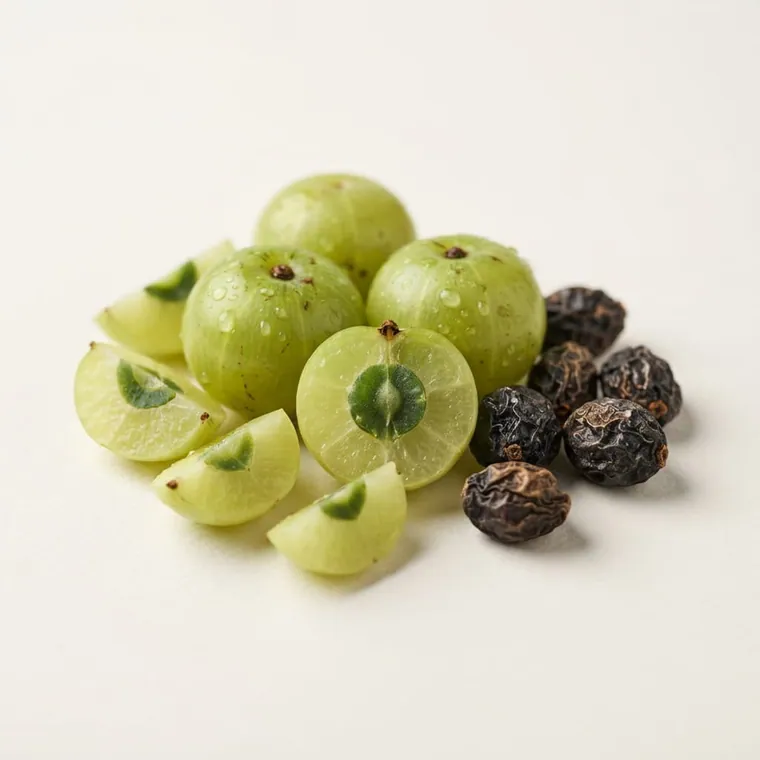
Amla (Phyllanthus emblica), also called Indian gooseberry, is a tart green fruit that is naturally rich in vitamin C and polyphenols. It is a cornerstone of Ayurvedic tradition and one of the three fruits in the classic blend triphala (see Wikipedia).
Fresh amla is sold in Indian grocery stores, and it is widely available as a powder for smoothies or as juice. Our amla ingredient page covers its uses and research.
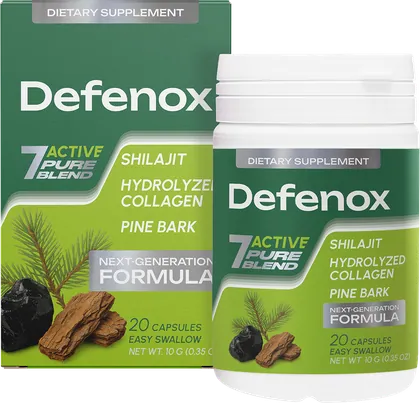
Amla extract also appears in supplements. Defenox, a once-a-day capsule designed to support prostate and urinary comfort, includes amla fruit extract alongside shilajit, pine bark extract and vitamin C. It is designed to complement, not replace, a varied plate.
What does a prostate-friendly day of eating look like?
Here is one simple example you can adapt:
- Breakfast: oatmeal with berries and a spoonful of pumpkin seeds; a cup of green tea.
- Lunch: big salad with arugula, chickpeas, tomatoes and olive oil.
- Snack: an apple and a handful of walnuts.
- Dinner: baked salmon, roasted broccoli and brown rice with a tomato salsa.
Drink most of your water earlier in the day if night-time bathroom trips bother you; our article on nighttime urination in men explains why. And keep regular check-ups with your doctor, especially if you notice any change in urination.
General information only — not medical advice. Talk to your doctor or pharmacist about your situation.
Sources
More guides
- Prostate Supplements: What Is Inside and How to Choose One
- Nocturia in Men: Why You Wake Up to Urinate and What Helps
- Parasite Cleanse Explained: Herbal Formulas, Doctor Testing and Prevention
- How to Ease Bloating and Support Healthy Digestion
- Matcha or Coffee? A Side-by-Side Look at Your Morning Cup
- Green Tea, Matcha and Weight Management: A Practical Guide
- Making Matcha at Home: Step-by-Step for Every Style
- Joint Supplements Explained: Nine Ingredients and What Studies Say
- Glucosamine, Chondroitin, MSM and Boswellia: A Fair Comparison
- Why Are My Joints Stiff in the Morning, and What Can Help?
- Vitamin C for Collagen: How Your Body Builds It
- AREDS2 and Eye Vitamins: What the Research Studied, in Plain English
- Digital Eye Strain: Why Screens Tire Your Eyes and What Helps
- How Supplements Are Regulated in the U.S. and What Third-Party Testing Means
- Cold or Heat for Sore Muscles: A Practical Guide
- Sore After a Workout? What Muscle Soreness Is and How to Ease It
- How Muscle Rubs Work: A Plain-English Guide to Topical Relief
- Peptides in Skin Care: What They Are and How They Are Used
- Skin Care After 50: What Changes and What to Look For
- How to Read a Supplement Facts Label in Five Minutes
- Supplements and Medications: Five Interactions Worth Checking
- Ordering Supplements Online: A Practical Buyer’s Checklist