Buyer’s guide
How Muscle Rubs Work: A Plain-English Guide to Topical Relief
By the VitaUSA360 Editorial Team
The short answer
Most muscle rubs work as counterirritants: ingredients such as menthol, camphor, methyl salicylate and capsaicin create a cooling or warming sensation on the skin that competes with the feeling of a minor ache. Some products are regulated as over-the-counter external analgesics and others as cosmetics. Use them only on intact skin and never with a heating pad.
How does a muscle rub actually work?
Most muscle rubs work by stimulating sensory nerves in the skin, creating a cooling, tingling or warming feeling that draws attention away from a minor ache underneath.
This approach is called counterirritation. The rub does not usually change the temperature of the muscle itself. Instead, its active ingredients activate receptors in the skin, and the brain interprets the new sensation along with the existing one. The Wikipedia article on counterirritants describes the idea and lists common examples. People often describe the result as soothing, which is a fair description of the experience rather than a promise of any outcome.
What are the main ingredients in topical pain relievers?
The most familiar counterirritant ingredients are menthol, camphor, methyl salicylate and capsaicin, and each produces a different kind of sensation.
- Menthol comes from mint plants such as peppermint and is also made synthetically. It activates the cold-sensing receptor TRPM8, which is why it feels cool even though the skin is not actually colder. See the menthol article.
- Camphor is a waxy compound traditionally obtained from the camphor laurel tree. On the skin it gives a cooling, slightly tingling feel.
- Methyl salicylate is known as oil of wintergreen and gives a warm, minty sensation. It is chemically related to aspirin, and the Wikipedia entry on methyl salicylate notes that it is toxic when swallowed in quantity.
- Capsaicin is the compound that makes chili peppers hot. It acts on the heat-sensing receptor TRPV1, and the capsaicin article explains how repeated exposure changes how those nerve endings respond.
Plant-based aromatics such as eucalyptus oil and rosemary oil are also common in rubs for their aroma and fresh feel.
Are essential oils and botanicals like ginger and cinnamon used in muscle rubs?
Yes. Essential oils and botanical extracts are widely used in cosmetic rubs and balms for their scent and for the warming or cooling feel they give.
Ginger is a traditional warming spice, and its pungent compounds, gingerols and shogaols, are related in character to the compounds in other hot spices. Cinnamon and cassia oil contain cinnamaldehyde, a compound that gives a characteristic warm sensation on the skin. Rosemary and eucalyptus oils bring a fresh, camphor-like note. Because essential oils are concentrated, they are used in small amounts, and sensitive skin can react to them. That is why a patch test is sensible with any new product.
It also helps to remember that a botanical in a cosmetic is described by its feel and aroma, not by a medical effect. Research on each ingredient on its own continues to develop.

What is the difference between an FDA over-the-counter rub and a cosmetic product?
A product that claims to relieve pain is generally regulated as an over-the-counter drug, while a product that is sold for how it feels or smells is generally regulated as a cosmetic.
For the drug category, the FDA uses an external analgesic monograph. It lists which active ingredients are allowed, the concentration range for each, and the required wording on a Drug Facts panel. As an example, camphor in over-the-counter products is limited to a maximum of 11 percent. Capsaicin, menthol, camphor and methyl salicylate all appear in the monograph for counterirritants.
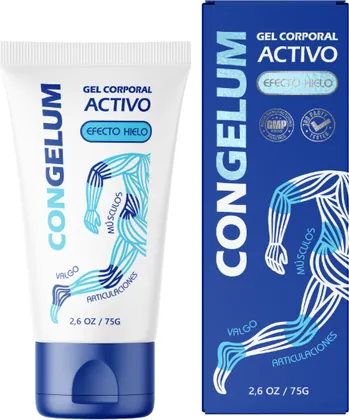
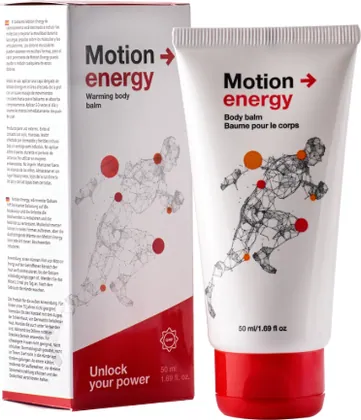
Cosmetic products do not have a Drug Facts panel. They list ingredients by INCI name and focus on sensory benefits such as a cooling or warming feel. Reading the label tells you which category you are looking at. Congelum and Motion Energy are topical products designed for a cooling or warming skin feel, and the comparison page shows how their ingredient lists differ.
How should I apply a muscle rub?
Apply a thin layer to clean, dry, unbroken skin over the sore area, rub it in gently, and wash your hands afterward.
- Patch test first. Put a small amount on the inner forearm and wait several minutes for any redness or itching.
- Use a small amount. A pea-to-coin-sized portion is usually enough for one area. More does not make it work better.
- Massage in gently. A minute of light rubbing also feels good on its own.
- Wash your hands. Menthol, camphor and capsaicin stinging in the eyes is a common mistake.
- Follow the label. Respect the instructions for how many times a day to use it.
Do not wrap the area tightly with a bandage after applying a rub unless the label says so.
Is it safe to use a heating pad over a muscle rub?
No. Do not use a heating pad, hot water bottle or other heat source over a muscle rub, because the combination can cause skin burns.
The FDA issued a safety communication noting rare cases of serious burns, including second- and third-degree burns, linked to over-the-counter topical muscle and joint pain relievers that contain menthol, methyl salicylate or capsaicin. The cases were rare, but the agency advised consumers to stop using a product and seek care if they develop pain, swelling or blistering at the application site. The label rules for these products are set in the FDA OTC monograph for external analgesic drug products.
Other safety basics follow from this:
- Keep rubs off broken, irritated or sunburned skin.
- Keep them away from eyes, lips and other mucous membranes.
- Do not apply tight bandages or cover the area with plastic wrap.
- Do not take a hot bath or shower immediately after applying a warming product.

Are muscle rubs safe for children and around the house?
Camphor and methyl salicylate are toxic if swallowed, so rubs must be stored out of reach of children and pets, and children should not use them unless a pediatrician has advised it.
Camphor in particular has a long record of accidental poisonings in small children, which is why it is regulated and why labels carry clear warnings. Even small amounts swallowed by a young child warrant a call to Poison Control at 1-800-222-1222 in the United States. Never apply camphor-containing products near the nose or face of an infant, as the vapors can be harmful. You can learn more on the camphor ingredient page.
People who are pregnant, who take blood thinners, or who are allergic to aspirin or salicylates should ask a clinician before using products with methyl salicylate. Anyone who develops a rash, blistering or persistent irritation should stop using the product.
Cooling rub or warming rub: how do I choose?
Choose a cooling product if you like the feeling of an ice pack, and a warming product if you prefer the feeling of a warm towel. It comes down to personal preference and the situation.
Cooling formulas lean on menthol, camphor and eucalyptus oil. They tend to feel light and refreshing, which many people like after a long day on their feet or after exercise. Warming formulas lean on spices and warm-feeling aromatics such as ginger, cinnamon and rosemary, and they suit people who reach for a heat pack when they feel stiff.
Texture matters too. Gels spread easily and dry quickly, while balms are richer and stay on the skin longer, which suits a short massage. If you want to see the two styles side by side, the Congelum vs Motion Energy comparison walks through ingredients, feel and typical use.
Do not combine two different rubs on the same patch of skin at the same time, since the sensations add up and the chance of irritation rises.
Practical tips, and when to see a doctor
Use rubs as one comfort measure among several, and see a doctor if pain is severe, sudden or not improving.
- Pair a rub with gentle movement. A short walk or easy stretch often does more than the rub alone.
- Compare textures. Gels feel lighter and cooler, balms feel richer and warmer. Choose by feel.
- Store them well. Keep the cap closed, out of heat and out of reach of children.
- Try one product at a time. That makes it easy to spot a reaction.
See a doctor promptly for:
- Pain after a fall, a collision or a sudden twisting injury.
- Numbness, tingling, weakness or loss of bladder or bowel control.
- A swollen, warm, red or very tender calf or joint.
- Chest pain, shortness of breath or pain that spreads to the arm or jaw.
- Pain that is worsening, wakes you at night or lasts more than a week or two.
- Burning, blistering or a spreading rash where a product was applied.
Rubs are meant for minor aches. They are not a substitute for a diagnosis.
General information only — not medical advice. Talk to your doctor or pharmacist about your situation.
Sources
More guides
- Prostate Supplements: What Is Inside and How to Choose One
- Nocturia in Men: Why You Wake Up to Urinate and What Helps
- Seven Foods Men Can Eat for Prostate Wellness
- Parasite Cleanse Explained: Herbal Formulas, Doctor Testing and Prevention
- How to Ease Bloating and Support Healthy Digestion
- Matcha or Coffee? A Side-by-Side Look at Your Morning Cup
- Green Tea, Matcha and Weight Management: A Practical Guide
- Making Matcha at Home: Step-by-Step for Every Style
- Joint Supplements Explained: Nine Ingredients and What Studies Say
- Glucosamine, Chondroitin, MSM and Boswellia: A Fair Comparison
- Why Are My Joints Stiff in the Morning, and What Can Help?
- Vitamin C for Collagen: How Your Body Builds It
- AREDS2 and Eye Vitamins: What the Research Studied, in Plain English
- Digital Eye Strain: Why Screens Tire Your Eyes and What Helps
- How Supplements Are Regulated in the U.S. and What Third-Party Testing Means
- Cold or Heat for Sore Muscles: A Practical Guide
- Sore After a Workout? What Muscle Soreness Is and How to Ease It
- Peptides in Skin Care: What They Are and How They Are Used
- Skin Care After 50: What Changes and What to Look For
- How to Read a Supplement Facts Label in Five Minutes
- Supplements and Medications: Five Interactions Worth Checking
- Ordering Supplements Online: A Practical Buyer’s Checklist