Buyer’s guide
Supplements and Medications: Five Interactions Worth Checking
By the VitaUSA360 Editorial Team
The short answer
The most important interactions involve blood thinners (ginkgo, fish oil, Devil’s Claw, vitamin E in high doses), diabetes and blood-pressure medication (several botanicals), and drugs whose levels depend on liver enzymes (St. John’s wort is the classic example). Bring the label of any new supplement to your pharmacist — it takes two minutes and is free.
Why interactions happen
Some supplement ingredients affect the same body systems as medicines — blood clotting, blood sugar, blood pressure — and others change how quickly the liver clears a drug. The result can be a medicine that works too strongly or not strongly enough.
1. Blood thinners and bleeding risk
Ginkgo, high-dose fish oil, garlic extracts and high-dose vitamin E are often flagged for people on anticoagulants or antiplatelet drugs. Vitamin K works the other way and affects warfarin. If you take any blood thinner, check every new product.
2. Diabetes medication
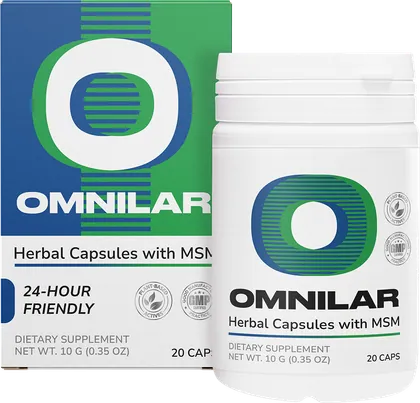
Several botanicals may lower blood sugar. Devil’s Claw is one of them, which is why we flag it on our Omnilar pages. Combined with diabetes medication, that could push blood sugar too low.
3. Blood-pressure medication
Some herbs can raise or lower blood pressure or heart rate. Ask before adding them if you take antihypertensives.

4. Liver-enzyme interactions
St. John’s wort is the best-known example: it speeds up the breakdown of many drugs, including some birth-control pills and antidepressants. The NCCIH keeps an up-to-date list of known herb–drug interactions.
5. Stacking the same nutrient
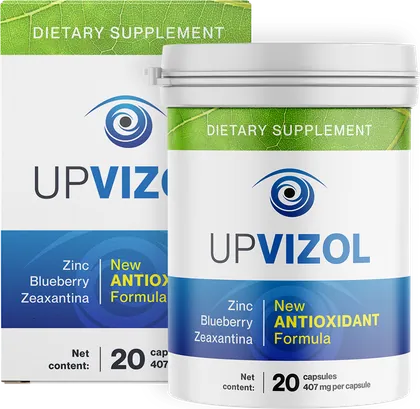
A multivitamin, an eye formula and a “hair, skin and nails” product can each contain vitamin A or zinc. Add up the totals from every label.
A two-minute checklist
- Photograph the Supplement Facts panel.
- List your prescriptions and over-the-counter medicines.
- Ask your pharmacist: “Does anything here interact?”
- Start one new product at a time.
- Tell your doctor about supplements before surgery.
General information only — not medical advice. Talk to your doctor or pharmacist about your situation.
Sources
More guides
- Prostate Supplements: What Is Inside and How to Choose One
- Nocturia in Men: Why You Wake Up to Urinate and What Helps
- Seven Foods Men Can Eat for Prostate Wellness
- Parasite Cleanse Explained: Herbal Formulas, Doctor Testing and Prevention
- How to Ease Bloating and Support Healthy Digestion
- Matcha or Coffee? A Side-by-Side Look at Your Morning Cup
- Green Tea, Matcha and Weight Management: A Practical Guide
- Making Matcha at Home: Step-by-Step for Every Style
- Joint Supplements Explained: Nine Ingredients and What Studies Say
- Glucosamine, Chondroitin, MSM and Boswellia: A Fair Comparison
- Why Are My Joints Stiff in the Morning, and What Can Help?
- Vitamin C for Collagen: How Your Body Builds It
- AREDS2 and Eye Vitamins: What the Research Studied, in Plain English
- Digital Eye Strain: Why Screens Tire Your Eyes and What Helps
- How Supplements Are Regulated in the U.S. and What Third-Party Testing Means
- Cold or Heat for Sore Muscles: A Practical Guide
- Sore After a Workout? What Muscle Soreness Is and How to Ease It
- How Muscle Rubs Work: A Plain-English Guide to Topical Relief
- Peptides in Skin Care: What They Are and How They Are Used
- Skin Care After 50: What Changes and What to Look For
- How to Read a Supplement Facts Label in Five Minutes
- Ordering Supplements Online: A Practical Buyer’s Checklist