Buyer’s guide
Sore After a Workout? What Muscle Soreness Is and How to Ease It
By the VitaUSA360 Editorial Team
The short answer
Sore muscles after exercise are usually delayed onset muscle soreness (DOMS), which tends to build over a day and often peaks around one to three days after unfamiliar or lengthening-type exercise. Light movement, good sleep, enough protein and fluids, and gentle massage are common ways to feel more comfortable. Severe pain with very dark urine is a reason to seek medical care.
Why are my muscles sore after a workout?
Most post-workout soreness is delayed onset muscle soreness, or DOMS, a normal response to muscles working harder or differently than they are used to.
The aching typically does not show up during the session. It builds later, which is where the name comes from. Researchers believe it is linked to tiny disruptions in muscle fibers and the surrounding tissue, along with the body’s normal local response to that stress. The Wikipedia article on DOMS summarizes the leading ideas, and it is clear that the full mechanism is still being studied.
It is not the same as the burning sensation you feel mid-set, which is related to what your muscles are doing in the moment and fades quickly once you stop.
It is also different from a sudden, sharp pain during activity, which can signal a strain or a sprain rather than ordinary soreness. DOMS tends to feel like a dull, tender ache across the whole muscle, often worse when you stretch it, climb stairs or press on it. Both sides of the body are usually affected if both worked equally. Knowing this pattern helps you tell the everyday kind of soreness from something that needs a closer look, which is covered in the final section below.
Soreness is not a measure of how good a workout was. Fit people get it too, especially when they try something new, and a session can be very effective without leaving you stiff the next day.
What causes DOMS, and which exercises trigger it most?
Eccentric exercise, where a muscle lengthens while it produces force, is the most widely recognized trigger of DOMS.
Typical examples include walking or running downhill, lowering a weight slowly, the lowering phase of a squat or push-up, and sports that involve a lot of braking and changes of direction. A new activity, a big jump in volume or a return after time off can all do it. The same session repeated a week or two later usually causes much less soreness, a well-documented adaptation often called the repeated bout effect. It is one reason regular, gradual training tends to feel easier over time.
If you are new to a type of exercise, starting with fewer sets and adding a little each week is a simple way to reduce how sore you get.
How long does muscle soreness last?
As a general description of the physiology, DOMS usually starts several hours after exercise, is often at its most noticeable between 24 and 72 hours, and then fades over the following days.
The timing varies from person to person and depends on the exercise, your fitness and how unfamiliar the activity was. Mild stiffness that eases as you start moving is typical. Soreness that is getting steadily worse after several days, or that is sharp rather than achy, deserves more attention and may be something other than DOMS.

How do I relieve sore muscles faster?
The most useful strategies are simple: keep moving gently, sleep enough, eat enough protein and drink enough fluid, and be patient while the body adapts.
Active recovery. A walk, an easy bike ride or a gentle swim keeps blood flowing and often makes muscles feel looser than staying completely still. Keep the effort low enough that you could hold a conversation.
Sleep. Most of the body’s repair work happens at rest. Regularly short nights make tissue feel more tender and workouts feel harder.
Protein and food. Muscle repairs itself from amino acids, so spreading protein across meals supports normal recovery. The NCCIH page on massage notes that the evidence for various recovery methods differs, which is a reminder that nutrition and sleep are the basics.
Hydration. Fluids support circulation and general comfort, particularly after sweaty sessions.
Do massage and foam rolling help with muscle soreness?
Research suggests that massage and foam rolling can modestly reduce the feeling of soreness for many people, even though they do not speed up the underlying repair.
Reviews of massage after exercise have reported small reductions in perceived soreness compared with no treatment, and reviews of foam rolling have found small benefits for soreness and short-term flexibility without harming performance. Effects are generally modest and vary between studies, so think of them as a pleasant way to ease tightness rather than as a rapid fix. The NCCIH overview of massage describes what the research does and does not show in plain language.
When rolling, go slowly, use moderate pressure and avoid rolling directly over joints, bones or a spot that is sharply painful.
Do cooling or warming gels help sore muscles?
Cooling and warming topicals provide a soothing sensation on the skin, which many people enjoy after exercise. They are a comfort option, not a way to speed up recovery.
Ingredients such as menthol, camphor and eucalyptus oil create a cool feeling, while ginger, cinnamon and rosemary oil are associated with warmth. MSM is a different case, since it is more often discussed as an ingredient in joint formulas than in skin products.
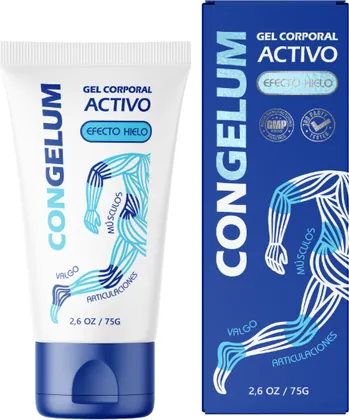
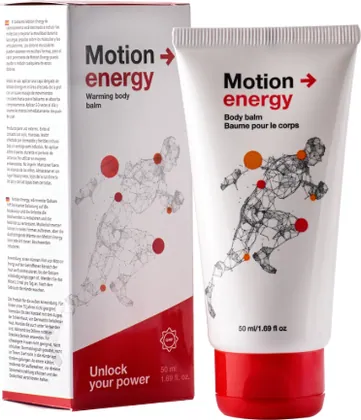
For a topical in each style, look at Congelum, a cooling gel with camphor and essential oils, or Motion Energy, a warming balm with ginger, cinnamon, rosemary and eucalyptus. Both are applied to the skin only and are not supplements. The comparison page explains how their textures and sensations differ.
Apply to clean, unbroken skin, wash your hands afterward and avoid the eyes and other sensitive areas.

Do protein, sleep and hydration really change how sore I feel?
They support the body’s normal recovery processes, so they are worth getting right, although none of them removes soreness entirely.
Sports nutrition guidance generally suggests spreading protein across the day, with a serving after training being a convenient habit. Whole foods such as eggs, dairy, fish, poultry, legumes and tofu supply the amino acids that muscle uses for repair, and carbohydrates refill the fuel stores you used during the session. A balanced plate does more for recovery than any single trendy product.
Sleep is the other quiet factor. Studies of athletes and active adults have linked short or broken sleep with lower perceived recovery and higher perceived effort, so protecting seven to nine hours a night is one of the most useful things you can do. Fluids matter most after long or hot sessions, when sweat losses are high. Pale yellow urine is a simple everyday sign of good hydration.
If you are building a new fitness habit, the MedlinePlus exercise and physical fitness pages offer plain-language guidance on starting gradually and recovering well.
Practical everyday tips for the day after a hard workout
The day after a tough session, aim to move a little, stay warm, and avoid a second all-out effort on the same muscle group.
- Take an easy walk. Fifteen to thirty minutes is plenty.
- Stretch gently. Hold each position until you feel mild tension, not pain.
- Plan hard and easy days. Alternate muscle groups so one area can settle while another works.
- Eat a protein-containing meal. Eggs, yogurt, fish, poultry, beans and tofu are common choices.
- Take a warm shower or bath. Warmth often eases tightness.
- Prepare for next time. A short warm-up and a gradual increase in load are the most reliable ways to reduce future soreness.
Sports organizations such as the American College of Sports Medicine encourage gradual progression for exactly this reason.
When is muscle soreness a warning sign?
Soreness becomes a warning sign when it is severe, out of proportion to the workout, or comes with dark urine, marked swelling or weakness. These can point to rhabdomyolysis, a serious condition in which muscle tissue breaks down rapidly.
According to MedlinePlus on rhabdomyolysis, symptoms can include muscle pain, weakness, and dark, tea- or cola-colored urine, and the condition can affect the kidneys. Overly intense or unaccustomed exercise is among the recognized triggers, along with dehydration, heat and certain medications. The Wikipedia article on rhabdomyolysis gives additional background.
Get medical care promptly if you notice:
- Very dark brown or red urine, or a sharp drop in how much you urinate.
- Severe muscle pain, swelling or tightness that seems far greater than normal soreness.
- Marked weakness, confusion, nausea or fever after strenuous exercise.
- Pain that is sudden and sharp during activity, with bruising or a popping sensation.
- Soreness that keeps worsening, or lasts well beyond a week.
Ordinary DOMS is uncomfortable but not dangerous. These signs are different, and they are worth a call or visit to a doctor or urgent care.
General information only — not medical advice. Talk to your doctor or pharmacist about your situation.
Sources
More guides
- Prostate Supplements: What Is Inside and How to Choose One
- Nocturia in Men: Why You Wake Up to Urinate and What Helps
- Seven Foods Men Can Eat for Prostate Wellness
- Parasite Cleanse Explained: Herbal Formulas, Doctor Testing and Prevention
- How to Ease Bloating and Support Healthy Digestion
- Matcha or Coffee? A Side-by-Side Look at Your Morning Cup
- Green Tea, Matcha and Weight Management: A Practical Guide
- Making Matcha at Home: Step-by-Step for Every Style
- Joint Supplements Explained: Nine Ingredients and What Studies Say
- Glucosamine, Chondroitin, MSM and Boswellia: A Fair Comparison
- Why Are My Joints Stiff in the Morning, and What Can Help?
- Vitamin C for Collagen: How Your Body Builds It
- AREDS2 and Eye Vitamins: What the Research Studied, in Plain English
- Digital Eye Strain: Why Screens Tire Your Eyes and What Helps
- How Supplements Are Regulated in the U.S. and What Third-Party Testing Means
- Cold or Heat for Sore Muscles: A Practical Guide
- How Muscle Rubs Work: A Plain-English Guide to Topical Relief
- Peptides in Skin Care: What They Are and How They Are Used
- Skin Care After 50: What Changes and What to Look For
- How to Read a Supplement Facts Label in Five Minutes
- Supplements and Medications: Five Interactions Worth Checking
- Ordering Supplements Online: A Practical Buyer’s Checklist