Buyer’s guide
Cold or Heat for Sore Muscles: A Practical Guide
By the VitaUSA360 Editorial Team
The short answer
Cold is usually chosen for a fresh strain, swelling or a sharp, recent flare-up, typically in the first 48 hours. Heat is usually chosen for stiffness, tight muscles and aches that have settled in. Use either for about 15 to 20 minutes with a cloth barrier between the pack and your skin, and check the skin afterward.
Should I use ice or heat for back pain?
Choose cold when the problem is recent and sharp, and choose heat when the problem is stiff and tight. That simple split covers most everyday situations, from a tweaked lower back to a sore calf after a long walk.
Cold narrows blood vessels near the skin and numbs the area slightly, which many people find calming in the first day or two after a strain. Heat does the opposite. It widens blood vessels, warms tissue and tends to make tight muscles feel looser. Neither one changes the underlying cause of an ache. Both are comfort measures, and both are widely recommended in general self-care guidance, including the pages on back pain at MedlinePlus.
If you are unsure which to pick, try the one that feels better. Your own response is useful information, as long as you stay within the time limits below.
When does cold help sore muscles?
Cold is the usual pick in the first 24 to 48 hours after a fresh strain, a bump or a day of unusually hard work that left an area swollen or tender to the touch.
Cold therapy, often called cryotherapy, is a broad category that runs from a bag of frozen peas to ice massage and cold water immersion (see the overview of cryotherapy on Wikipedia). The common thread is a lower tissue temperature, which can reduce the sensation of pain and may limit swelling around a sprain or strain. General guidance in the first days after a minor injury, such as the pages on sprains and strains at MedlinePlus, includes cold packs alongside rest and gentle protection of the area.
Research is still developing on exactly how much cold changes recovery. Reviews of cold for low back pain have found few high-quality trials, so most advice rests on comfort and common practice. That is a reason to treat cold as a convenient comfort tool, not a precise treatment.
When does heat help sore muscles?
Heat is the usual pick for stiffness, tight muscles and the dull, achy feeling that lingers after the first day or two, and for muscles that feel cold and locked up before activity.
Warmth increases local circulation and often reduces the sense of tightness. One of the more thoroughly studied examples is low-level continuous heat wraps for lower back pain. A Cochrane review of heat and cold for low back pain (French et al.) found moderate-quality evidence that heat wraps gave a short-term reduction in pain and disability in people with acute and subacute low back pain, and that adding exercise improved the result further. You can read the broader context in the NCCIH guide to low back pain.
Heat is also a natural fit before gentle stretching. A warm shower, a warm towel or a warm bath for ten minutes can make the first few movements of the day feel easier.

How long should I apply ice or heat?
About 15 to 20 minutes per session is the usual guideline for both ice and heat, with at least an hour or two between sessions so the skin can return to normal temperature.
Longer is not better. Skin and the nerves just under it can be injured by prolonged cold or heat, and this is easy to miss because the area may be numb or the warmth may feel pleasant. A kitchen timer or phone alarm is a simple safeguard, especially if you tend to fall asleep on the sofa with a pack in place.
Moist heat, such as a warm damp towel, penetrates a little more than dry heat, and many people find it more comfortable. For cold, a gel pack or a bag of ice works equally well, as long as it is wrapped.
How do I use cold and heat packs safely?
Always put a thin towel or cloth between the pack and your skin, check the skin every few minutes, and stop if it looks very red, white, blotchy or feels painful.
- Use a barrier. A cloth layer prevents ice burns and scalds from direct contact.
- Keep moving the pack slightly. Resting a hot or cold source in exactly one spot raises the risk of a skin reaction.
- Never sleep on a heating pad. Electric pads left on for hours are a known cause of burns.
- Skip heat on a hot, swollen joint. If an area is red, warm and swollen, more heat is not the right choice.
- Take extra care with reduced sensation. People with diabetes, nerve damage or circulation problems may not feel a burn or frostbite developing and should ask a clinician first.
Avoid applying heat or cold over broken skin, rashes or recent surgical areas unless a clinician has said it is fine.
What about cooling and warming rubs, gels and balms?
Cooling and warming topicals give a sensation of cold or heat without a pack, so they can be a convenient alternative when you are at your desk or on the go.
They work through the skin’s sensory nerves rather than by changing tissue temperature. Menthol and camphor activate cold-sensitive receptors, which is why cooling gels feel icy on contact. Eucalyptus oil adds a fresh, cooling note. Capsaicin, and warming botanicals such as ginger, cinnamon and rosemary oil, are associated with a warm feeling on the skin. Menthol’s action on the cold receptor TRPM8 is described in the Wikipedia article on menthol.
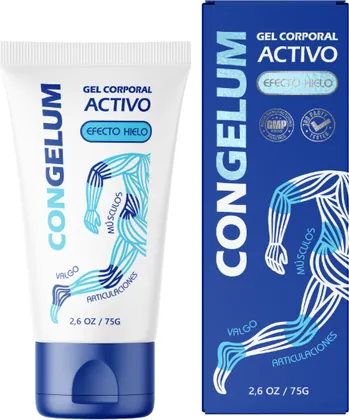
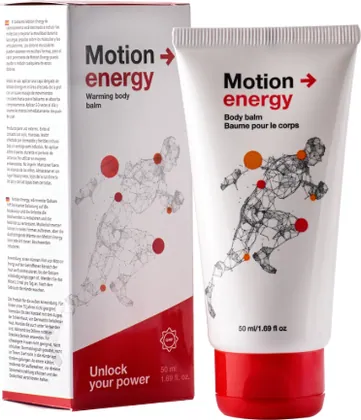
Examples in this category include Congelum, a cooling gel with camphor and essential oils, and Motion Energy, a warming balm with ginger, cinnamon, rosemary and eucalyptus. Both are topical products, not supplements, and they are designed for a pleasant cooling or warming feel on the skin. If you are curious how the two feel different, see the Congelum vs Motion Energy comparison.
One safety point: do not combine a heating pad with a warming rub or any topical on the same spot, because heat can intensify the skin sensation and has been linked to burns.

Can I alternate between ice and heat?
Yes. Many people use cold first for a day or two and then switch to heat, and some alternate within a single day when a sore area is both tender and stiff.
A simple pattern is to use cold in the first day or two after a strain, when the area is tender and may look puffy, and then move to warmth once the swelling has gone down and the main complaint is tightness. There is no strict rule about the exact switch point, and the research on contrast therapy, which alternates hot and cold within one session, is still developing. If you want to try it, keep each step short, finish on the one that feels better, and stay within the time limits above.
Listen to the area. Pain that sharpens when you apply heat is a sign to go back to cold or to stop altogether. Pain that eases with warmth and stiffens again as it cools is a sign that heat is doing something useful for comfort.
Athletes and physical therapists often combine these tools with gentle, progressive movement. That is a sensible model for everyone: temperature to make the area comfortable enough, then movement to keep it working normally.
Practical everyday tips for sore, tight muscles
A few small habits make cold and heat more useful, and they matter as much as the pack itself.
- Pair heat with movement. Ten minutes of warmth followed by slow, easy stretching is a common combination for stiffness.
- Pair cold with rest, not intense activity. Numbing the area and then pushing hard can mask useful signals from your body.
- Keep gentle activity going. For most minor back aches, staying lightly active is generally favored over long bed rest.
- Change position often. Standing up every half hour at a desk can ease the tightness that heat later addresses.
- Drink water and sleep well. Both support normal muscle recovery.
- Test a topical first. Apply a small amount to a patch of skin and wait a few minutes before using it widely.
If one approach does not feel better after a couple of tries, switch to the other or take a day off from both.
When should I see a doctor about muscle or back pain?
See a doctor promptly if pain follows a significant fall or accident, or if it comes with warning signs that point beyond an ordinary strain.
Seek care urgently for any of these red flags:
- Numbness or tingling in the groin or inner thighs, or loss of control of the bladder or bowels.
- Weakness in a leg or foot, or pain that spreads steadily down the leg.
- Fever, unexplained weight loss or night pain that is not eased by changing position.
- A swollen, hot, red or very tender calf, especially after travel or inactivity.
- Chest pain, shortness of breath or sweating together with upper back or shoulder pain.
- A joint that is hot, swollen and cannot bear weight.
Also check in with a clinician if ordinary back pain has not started to improve after a couple of weeks, or if it keeps returning. Self-care measures are for minor aches. They are not meant to replace advice from a professional.
General information only — not medical advice. Talk to your doctor or pharmacist about your situation.
Sources
More guides
- Prostate Supplements: What Is Inside and How to Choose One
- Nocturia in Men: Why You Wake Up to Urinate and What Helps
- Seven Foods Men Can Eat for Prostate Wellness
- Parasite Cleanse Explained: Herbal Formulas, Doctor Testing and Prevention
- How to Ease Bloating and Support Healthy Digestion
- Matcha or Coffee? A Side-by-Side Look at Your Morning Cup
- Green Tea, Matcha and Weight Management: A Practical Guide
- Making Matcha at Home: Step-by-Step for Every Style
- Joint Supplements Explained: Nine Ingredients and What Studies Say
- Glucosamine, Chondroitin, MSM and Boswellia: A Fair Comparison
- Why Are My Joints Stiff in the Morning, and What Can Help?
- Vitamin C for Collagen: How Your Body Builds It
- AREDS2 and Eye Vitamins: What the Research Studied, in Plain English
- Digital Eye Strain: Why Screens Tire Your Eyes and What Helps
- How Supplements Are Regulated in the U.S. and What Third-Party Testing Means
- Sore After a Workout? What Muscle Soreness Is and How to Ease It
- How Muscle Rubs Work: A Plain-English Guide to Topical Relief
- Peptides in Skin Care: What They Are and How They Are Used
- Skin Care After 50: What Changes and What to Look For
- How to Read a Supplement Facts Label in Five Minutes
- Supplements and Medications: Five Interactions Worth Checking
- Ordering Supplements Online: A Practical Buyer’s Checklist